1. Specifications Comparison
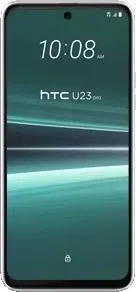
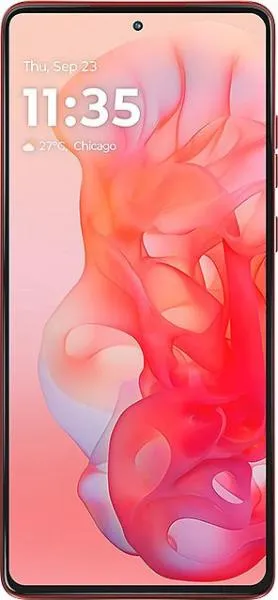
| Feature | HTC U23 Pro | Motorola Moto G Stylus 5G (2024) | Practical Impact |
|---|---|---|---|
| Design | |||
| Dimensions (mm) | 166.6 x 77.1 x 8.9 | 162.6 x 74.8 x 8.3 | Moto is slightly smaller and thinner, potentially improving one-handed usability. |
| Weight (g) | 205 | 190 | Moto is noticeably lighter, reducing hand fatigue during extended use. |
| Build Material | Not specified | Not specified | Cannot compare build quality and durability without this information. |
| Display | |||
| Display Type | OLED, 120Hz | P-OLED, 1B colors, 120Hz | Both offer smooth scrolling and animations with 120Hz. P-OLED generally consumes less power than traditional OLED, and Moto's 1B color depth allows for more accurate and vibrant colors. |
| Display Size (inches) | 6.7 | 6.7 | Identical screen sizes. |
| Resolution (pixels) | 1080 x 2400 | 1080 x 2400 | Identical resolutions, resulting in similar sharpness. |
| Peak Brightness (nits) | Not specified | 1200 | Moto's higher peak brightness ensures better visibility in direct sunlight. |
| Performance | |||
| Chipset | Snapdragon 7 Gen 1 | Snapdragon 6 Gen 1 | 7 Gen 1 provides better overall performance than 6 Gen 1, especially in demanding tasks and gaming. |
| CPU | Octa-core (1x2.4 GHz A710 & 3x2.36 GHz A710 & 4x1.8 GHz A510) | Octa-core (4x2.2 GHz A78 & 4x1.8 GHz A55) | While both have similar clock speeds, the architectural differences favor the 7 Gen 1 in the HTC for sustained performance. |
| GPU | Adreno 644 | Adreno 710 | Adreno 710 offers improved graphics performance compared to Adreno 644, resulting in smoother gaming and faster rendering. |
| RAM | 8GB | 8GB | Identical RAM capacity should provide similar multitasking capabilities. |
| OS | Android 13 | Android 14 (upgradable to 15) | Moto comes with a newer Android version and guaranteed update to 15, offering potential feature and security advantages. |
| Camera | |||
| Main Camera | 108MP | 50MP (Sony LYT-700C) | HTC boasts higher resolution; however, Moto uses a known Sony sensor with potentially better low-light performance due to larger pixel size (after binning). |
| Ultrawide | 8MP | 13MP (Wide & Macro) | Moto offers a higher resolution ultrawide that doubles as a macro lens. |
| Video Recording | 4K@30fps with EIS, 1080p@30fps with EIS | 4K@30fps, 1080p@30/60/120fps | Moto offers more versatile video recording options with higher frame rates for slow-motion capture. |
| Battery | |||
| Capacity (mAh) | 4600 | 5000 | Moto offers significantly larger battery capacity, likely translating to longer battery life. |
| Charging Speed | Not specified | Not specified | Unable to compare charging speeds without specific details. |
2. Key Differences Analysis
HTC U23 Pro Advantages:
- Superior Processing Power: The Snapdragon 7 Gen 1 offers a noticeable performance advantage for demanding tasks and gaming compared to the Moto's Snapdragon 6 Gen 1.
- Higher Resolution Main Camera: The 108MP sensor potentially captures more detail in ideal lighting conditions.
Motorola Moto G Stylus 5G (2024) Advantages:
- Longer Battery Life: The 5000mAh battery is significantly larger than the HTC's 4600mAh, promising longer usage between charges.
- More Versatile Camera System: While the main sensor is lower resolution, the Moto offers a higher resolution ultrawide/macro lens and more video recording options.
- Newer Software and Updates: Shipping with Android 14 and guaranteed upgrade to 15 provides feature and security advantages.
- Brighter Display: The 1200 nit peak brightness ensures excellent outdoor visibility.
- Lighter and Slimmer Design: Improves handling comfort and one-handed use.
- Lower Price: Based on available pricing information, the Moto is generally more affordable.
3. User Profiles & Recommendations
HTC U23 Pro: Users who prioritize raw performance for gaming or demanding applications and desire a high-resolution main camera.
Motorola Moto G Stylus 5G (2024): Users who prioritize battery life, all-day usage, a versatile camera system including a good ultrawide, and software updates. Budget-conscious users will also find its price appealing. Stylus users, naturally, would favor this phone. (Information regarding stylus was not provided but inferred from model name).
4. Decision Framework
Key Questions for Buyers:
- What is your budget? The Moto offers better value for its price.
- What are your primary smartphone usage patterns? (Gaming, photography, social media, general use)
- How important are battery life and software updates?
Scenario-Based Recommendations:
- Heavy gamer on a budget: Consider the HTC if performance is paramount but be prepared for potentially shorter battery life.
- Everyday user who values long battery life and software updates: The Moto is the clear winner.
- Photography enthusiast: While HTC has higher megapixels, the Moto's Sony sensor and versatile lenses might provide better overall image quality in varied conditions. More information is needed to make a definitive recommendation.
My Choice: Motorola Moto G Stylus 5G (2024)
While the HTC U23 Pro offers slightly better processing power, the Motorola Moto G Stylus 5G (2024) presents a more well-rounded package for my needs. The significantly larger battery, brighter display, newer software with guaranteed updates, more versatile camera system, lighter and slimmer design, and lower price make it a compelling choice. I prioritize all-day battery life, a smooth user experience, and having the latest features, all of which the Moto delivers effectively. The stylus functionality, while not detailed in the specs, adds another layer of potential productivity and creativity. The trade-off in processing power for the everyday user is minimal compared to the gains in other areas.
