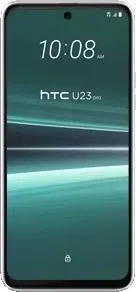
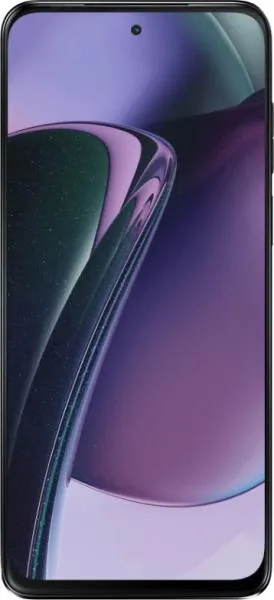
1. Specifications Comparison
| Feature | HTC U23 Pro | Motorola Moto G Stylus 5G (2023) | Practical Impact |
|---|---|---|---|
| Design | |||
| Dimensions (mm) | 166.6 x 77.1 x 8.9 | 162.8 x 73.8 x 9.2 | Moto G Stylus is slightly smaller and thicker. |
| Weight (g) | 205 | 202 | Negligible weight difference. |
| Build Materials | Not specified | Not specified | Cannot compare build quality and durability. |
| Display | |||
| Display Type | OLED, 120Hz | IPS LCD, 120Hz | HTC U23 Pro offers deeper blacks, better contrast, and potentially better power efficiency due to OLED technology. Moto G Stylus might have better outdoor visibility. |
| Size (inches) | 6.7 | 6.6 | Negligible size difference. |
| Resolution | 1080 x 2400 | 1080 x 2400 | Same resolution, resulting in similar sharpness. |
| PPI | 393 | 399 | Negligible difference in pixel density. |
| Performance | |||
| Chipset | Snapdragon 7 Gen 1 | Snapdragon 6 Gen 1 | HTC U23 Pro has a more powerful processor, resulting in smoother multitasking, faster app loading, and better gaming performance. |
| CPU | Octa-core (1x2.4 GHz A710 & 3x2.36 GHz A710 & 4x1.8 GHz A510) | Octa-core (4x2.2 GHz A78 & 4x1.8 GHz A55) | HTC U23 Pro's CPU architecture is more efficient and powerful. |
| GPU | Adreno 644 | Adreno 710 | U23 Pro's GPU offers better graphical performance for gaming and demanding tasks. |
| RAM | 8/12GB | 4/6/8GB | U23 Pro offers configurations with higher RAM, enabling better multitasking and smoother performance with memory-intensive applications. |
| Storage | 256GB | 128/256GB | Both offer ample storage options. |
| Camera | |||
| Main Camera | 108MP | 50MP | U23 Pro boasts a higher resolution main camera, potentially capturing more detail. Real-world performance depends on sensor quality and image processing, which are not fully specified. |
| Ultrawide | 8MP | 8MP+Macro | Similar ultrawide resolution. Moto G Stylus combines ultrawide with macro functionality. |
| Other Cameras | Portrait 5MP, Macro 2MP | Selfie 16MP | U23 Pro has dedicated portrait and macro lenses. |
| Video | 4K@30fps with EIS, 1080p@30fps with EIS | 4K@30fps, 1080p@30/60fps | Moto G Stylus offers 1080p@60fps recording. Data is insufficient to compare video stabilization quality. |
| Battery | |||
| Capacity | 4600 mAh | 5000 mAh | Moto G Stylus has a larger battery capacity, potentially offering longer battery life. |
| Charging Speed | Not specified | Not specified | Cannot compare charging speeds. |
2. Key Differences Analysis
HTC U23 Pro Advantages:
- Superior Performance: Snapdragon 7 Gen 1 chipset offers significantly better performance for demanding tasks and gaming.
- OLED Display: Provides richer colors, deeper blacks, and potentially better power efficiency.
- Higher Resolution Main Camera: 108MP sensor potentially captures more detail. Dedicated portrait and macro lenses offer more versatile photography options.
Motorola Moto G Stylus 5G (2023) Advantages:
- Larger Battery: 5000 mAh battery likely results in longer usage time.
- Stylus Support: Offers a built-in stylus for note-taking and drawing (not explicitly mentioned in the data but implied by the name).
- Potentially Lower Price: Depending on the specific RAM/storage configuration, it could be significantly cheaper.
3. User Profiles & Recommendations
HTC U23 Pro: Suitable for users who prioritize performance, a high-quality display, and versatile camera capabilities. Ideal for gaming, media consumption, and mobile photography enthusiasts.
Motorola Moto G Stylus 5G (2023): Ideal for users who prioritize battery life, affordability, and note-taking functionality. Suitable for students, casual users, and those who prefer a long-lasting device.
4. Decision Framework
Key Questions for Buyers:
- What is your budget? The Moto G Stylus 5G is likely more affordable.
- What are your performance needs? The HTC U23 Pro offers significantly better performance.
- How important is battery life? The Moto G Stylus 5G likely has longer battery life.
Scenario-Based Recommendations:
- Tight Budget, Casual User: Moto G Stylus 5G
- Power User, Gamer: HTC U23 Pro
- Student, Note-Taker: Moto G Stylus 5G
- Photographer, Media Enthusiast: HTC U23 Pro
My Choice: HTC U23 Pro
While the Motorola Moto G Stylus 5G (2023) offers a larger battery and potential cost savings, the HTC U23 Pro's superior performance, OLED display, and more versatile camera system make it the better overall device for my needs. I prioritize a smooth user experience, vibrant visuals, and the ability to capture high-quality photos. I am willing to compromise slightly on battery life for these benefits. The more powerful processor and GPU of the U23 Pro will ensure a more future-proof device capable of handling demanding applications and games for a longer period. Additionally, the OLED display offers a significant visual upgrade over the IPS LCD of the Moto G Stylus.
