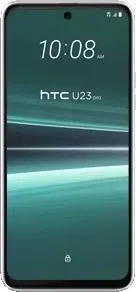
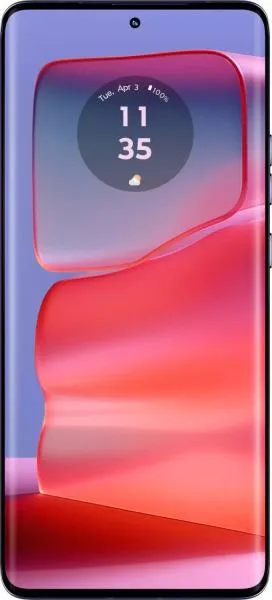
1. Specifications Comparison
| Feature | HTC U23 Pro | Motorola Edge 50 Pro | Practical Impact |
|---|---|---|---|
| Design | |||
| Dimensions (mm) | 166.6 x 77.1 x 8.9 | 161.2 x 72.4 x 8.2 | Motorola is slightly smaller and thinner, potentially more comfortable for one-handed use. |
| Weight (g) | 205 | 186 | Motorola is noticeably lighter, reducing hand fatigue during extended use. |
| Display | |||
| Display Type | OLED, 120Hz | P-OLED, 144Hz, HDR10+, 2000 nits (peak) | Motorola offers a smoother display with higher refresh rate and HDR10+ support for better visuals, along with significantly higher peak brightness for improved outdoor visibility. P-OLED generally offers better power efficiency than traditional OLED. |
| Resolution | 1080 x 2400 | 1220 x 2712 | Motorola has a sharper display due to higher resolution and pixel density. |
| Pixel Density (PPI) | 393 | 446 | Text and images will appear sharper on the Motorola. |
| Performance | |||
| Chipset | Snapdragon 7 Gen 1 | Snapdragon 7 Gen 3 | Motorola utilizes a newer, more powerful chipset, resulting in faster performance and improved efficiency. |
| CPU | Octa-core (1x2.4 GHz A710 & 3x2.36 GHz A710 & 4x1.8 GHz A510) | Octa-core (1x2.63 GHz A715 & 4x2.4 GHz A715 & 3x1.8 GHz A510) | Motorola's CPU boasts faster clock speeds and newer architecture (Cortex-A715 vs A710) leading to better multitasking and app loading times. |
| GPU | Adreno 644 | Adreno 720 | Motorola's GPU is significantly more powerful, resulting in smoother gaming and graphics performance. |
| RAM | 8GB/12GB | 12GB/16GB | Motorola offers more RAM in its configurations, enhancing multitasking and overall responsiveness. |
| OS | Android 13 | Android 14 | Motorola ships with a newer Android version, offering potential feature and security advantages, as well as longer software support commitment up to Android 17. |
| Camera | |||
| Main Camera | 108MP | 50MP | HTC boasts higher megapixel count, but real-world performance depends on sensor size and processing (missing data). Motorola features a larger pixel size (2.00 µm vs unknown) which can potentially capture more light in low light conditions. |
| Other Cameras | Wide, Portrait, Macro | Wide, Telephoto | Motorola offers a telephoto lens for optical zoom, while HTC provides a dedicated macro lens. User preference will dictate which is more valuable. |
| Video | 4K@30fps with EIS | 4K@30/60fps with HDR, EIS | Motorola offers more comprehensive video recording capabilities with higher frame rates and HDR support. |
| Battery | |||
| Capacity | 4600 mAh | 4500 mAh | HTC has a slightly larger battery, but real-world battery life depends on software optimization and hardware efficiency (Motorola's newer chipset and display technology could offset this difference). |
2. Key Differences Analysis
Motorola Edge 50 Pro Advantages:
- Significantly improved performance: Newer, more powerful chipset (Snapdragon 7 Gen 3), faster CPU and GPU, more RAM.
- Superior display: Higher refresh rate (144Hz), HDR10+ support, higher resolution and brighter screen.
- More advanced camera features: Telephoto lens for optical zoom, higher quality video recording capabilities.
- Newer software with longer support: Ships with Android 14 and guaranteed updates to Android 17.
- More connectivity options: Wi-Fi 7 and Bluetooth 5.4 support.
HTC U23 Pro Advantages:
- Slightly larger battery: Potentially longer battery life, though real-world usage may vary.
- Potentially lower price: Depending on specific market and retailer.
- Higher resolution main camera: While megapixel count doesn't guarantee quality, it can be advantageous for detailed crops (assuming similar sensor quality).
3. User Profiles & Recommendations
Motorola Edge 50 Pro: Ideal for users who prioritize performance, a smooth and vibrant display, mobile gaming, high-quality video recording, and the latest software features. Power users, content creators, and mobile gamers would benefit most.
HTC U23 Pro: Might appeal to users seeking a potentially more affordable option with a large battery who prioritize battery life over cutting-edge performance or display technology. Casual users who primarily use their phone for communication, social media, and light tasks might find it sufficient.
4. Decision Framework
Key Questions for Buyers:
- What is your budget? The Motorola is generally more expensive.
- What are your primary smartphone usage patterns? Heavy users will appreciate the Motorola's performance; casual users might find the HTC sufficient.
- Which features are most important to you? Prioritize display quality, performance, camera features, or battery life.
My Choice: Motorola Edge 50 Pro
While slightly more expensive, the Motorola Edge 50 Pro offers a significantly better overall package. The superior performance, stunning display with HDR10+ and 144Hz, more versatile camera system with telephoto lens, and newer software with guaranteed updates make it a clear winner. The slightly smaller battery is likely offset by the more efficient chipset and display technology. The future-proofing provided by the newer hardware and software support makes the Motorola a more compelling long-term investment. While HTC might have a slightly larger battery and potentially lower price, these advantages don't outweigh the significant performance and feature gap.
