1. Specifications Comparison
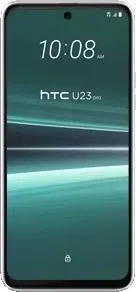
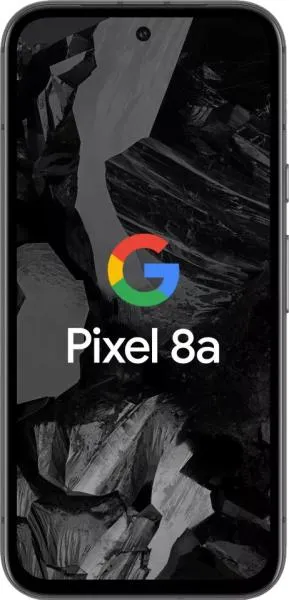
| Feature | HTC U23 Pro | Google Pixel 8a | Practical Impact |
|---|---|---|---|
| Design | |||
| Dimensions (mm) | 166.6 x 77.1 x 8.9 | 152.1 x 72.7 x 8.9 | Pixel 8a is noticeably smaller and more pocketable. |
| Weight (g) | 205 | 188 | Pixel 8a is lighter, reducing hand fatigue during extended use. |
| Build Material | Not specified | Not specified | Cannot compare build quality and durability without material information. |
| Display | |||
| Size (inches) | 6.7 | 6.1 | U23 Pro offers a larger screen for media consumption, but Pixel 8a is more one-hand friendly. |
| Resolution | 1080 x 2400 | 1080 x 2400 | Identical resolution, but Pixel 8a's smaller size results in a higher pixel density (430 vs 393 ppi), making images sharper. |
| Refresh Rate | 120Hz | 120Hz | Both offer smooth scrolling and animations. |
| Display Type | OLED | OLED | Both offer vibrant colors and deep blacks. Pixel 8a mentions HDR support and a higher peak brightness (2000 nits) suggesting better visibility in sunlight and HDR content consumption. |
| Performance | |||
| Chipset | Snapdragon 7 Gen 1 | Google Tensor G3 | Tensor G3, being a newer generation chip, is likely to offer superior performance and AI capabilities. |
| CPU | Octa-core (1x2.4 GHz Cortex-A710 & 3x2.36 GHz Cortex-A710 & 4x1.8 GHz Cortex-A510) | Nona-core (1x3.0 GHz Cortex-X3 & 4x2.45 GHz Cortex-A715 & 4x2.15 GHz Cortex-A510) | Tensor G3's architecture, featuring a Cortex-X3 core, should deliver significant performance gains, especially in demanding tasks. |
| GPU | Adreno 644 | Immortalis-G715s MC10 | Immortalis-G715s is expected to provide better gaming performance. |
| RAM | 8GB/12GB | 8GB | Both offer sufficient RAM for multitasking, though the U23 Pro offers a 12GB option for even smoother performance. |
| Camera | |||
| Main Camera | 108MP | 64MP | U23 Pro boasts higher resolution, but Pixel's known computational photography prowess might result in better overall image quality. Pixel 8a utilizes a larger sensor (1/1.72") compared to unspecified sensor size of U23 Pro. This means better light capture potentially leading to superior low-light performance. |
| Video Recording | 4K@30fps | 4K@60fps | Pixel 8a offers higher resolution and frame rate video recording, resulting in smoother and more detailed videos. |
| Battery | |||
| Capacity (mAh) | 4600 | 4492 | U23 Pro has a slightly larger battery capacity. Real-world battery life depends on optimization and usage patterns. |
2. Key Differences Analysis
HTC U23 Pro Advantages:
- Larger display for immersive media consumption
- Potentially longer battery life due to slightly higher capacity.
- Option for 12GB RAM for power users.
Google Pixel 8a Advantages:
- Superior Performance: Tensor G3 chip offers faster processing, better AI, and improved graphics performance.
- Enhanced Camera Capabilities: While having a lower resolution main sensor, Pixel 8a leverages Google's advanced image processing algorithms, larger sensor size, and features like 4K@60fps video recording for a potentially better overall camera experience.
- More Compact Design: Smaller and lighter, making it easier to handle and carry.
- Software Updates: Guaranteed longer software updates and newer Android version out of the box.
3. User Profiles & Recommendations
HTC U23 Pro: Users who prioritize a large display for media consumption, potential longer battery life, and value expandable storage.
Google Pixel 8a: Users who value performance, camera quality, compact design, and timely software updates. Best for those who want a smooth, feature-rich experience with a focus on AI and computational photography.
4. Decision Framework
Key Questions for Buyers:
- What screen size do you prefer? Larger display (U23 Pro) or a more pocketable phone (Pixel 8a)?
- Is camera quality or raw megapixel count more important? Pixel 8a likely offers better overall image quality despite lower resolution.
- How important are software updates and performance? Pixel 8a will receive longer software updates and has a significantly more powerful processor.
My Choice: Google Pixel 8a
While the HTC U23 Pro offers a larger display and potentially longer battery life, the Google Pixel 8a is the better overall choice for me. The Tensor G3 chip's superior performance, combined with Google's renowned computational photography, makes it a more compelling device. The compact form factor, guaranteed software updates, and the inclusion of features like HDR display and faster charging outweigh the benefits of the U23 Pro. Although the HTC might offer more RAM, 8GB on the Pixel 8a paired with the optimized Tensor chip should provide a fluid experience for most users. I prioritize performance, camera quality, and software updates, making the Pixel 8a the clear winner.
