
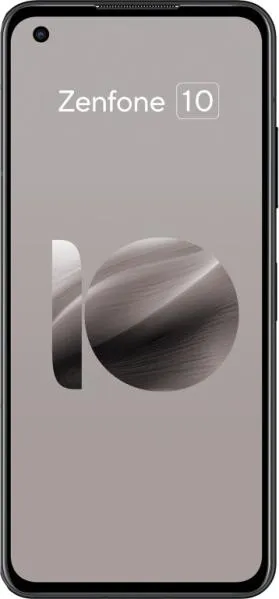
1. Specifications Comparison
| Feature | HTC U23 Pro | Asus Zenfone 10 | Practical Impact |
|---|---|---|---|
| Design | |||
| Dimensions (mm) | 166.6 x 77.1 x 8.9 | 146.5 x 68.1 x 9.4 | Zenfone 10 is significantly smaller and more pocketable. |
| Weight (g) | 205 | 172 | Zenfone 10 is noticeably lighter, reducing hand fatigue. |
| Display | |||
| Size (inches) | 6.7 | 5.92 | U23 Pro offers a larger screen for media consumption; Zenfone 10 is better for one-handed use. |
| Resolution (pixels) | 1080 x 2400 | 1080 x 2400 | Identical resolution, but Zenfone 10's smaller size results in a sharper image (445 ppi vs 393 ppi). |
| Refresh Rate (Hz) | 120 | 144 | Zenfone 10's higher refresh rate provides smoother animations and scrolling. |
| Display Type | OLED | Super AMOLED | Both offer excellent contrast and vibrant colors. Zenfone 10 supports HDR10+ for better dynamic range in compatible content and has a higher peak brightness for improved outdoor visibility. |
| Performance | |||
| Chipset | Snapdragon 7 Gen 1 | Snapdragon 8 Gen 2 | Zenfone 10 features a significantly more powerful processor, leading to much faster performance in demanding tasks and games. |
| CPU | Octa-core (1x2.4 GHz A710 & 3x2.36 GHz A710 & 4x1.8 GHz A510) | Octa-core (1x3.2 GHz X3 & 2x2.8 GHz A715 & 2x2.8 GHz A710 & 3x2.0 GHz A510) | Zenfone 10's superior CPU architecture delivers a substantial performance advantage. |
| GPU | Adreno 644 | Adreno 740 | Zenfone 10's more powerful GPU provides a significantly better gaming and graphics rendering experience. |
| RAM (GB) | 8/12 | 8/16 | Zenfone 10 offers a 16GB RAM option for even smoother multitasking. |
| Camera | |||
| Main Camera (MP) | 108 | 50 | While U23 Pro boasts higher megapixels, Zenfone 10 uses a larger sensor (Sony IMX766) known for better light capture and overall image quality. |
| Video Recording | 4K@30fps | 8K@24fps | Zenfone 10 offers higher resolution video recording capabilities and features a 6-axis gimbal stabilization for smoother footage. |
| Battery | |||
| Capacity (mAh) | 4600 | 4300 | U23 Pro has a slightly larger battery capacity, potentially offering longer battery life. However, Zenfone 10's more efficient processor could offset this difference. Real-world battery life depends on usage patterns. |
2. Key Differences Analysis
HTC U23 Pro Advantages:
- Larger display for immersive media consumption.
- Potentially longer battery life due to higher capacity.
Asus Zenfone 10 Advantages:
- Significantly more powerful processor and GPU, resulting in superior performance.
- Smaller and lighter form factor for enhanced portability and one-handed use.
- Higher refresh rate display for smoother visuals.
- Superior camera sensor and video stabilization.
- More advanced connectivity options (WiFi 7, Bluetooth 5.3).
3. User Profiles & Recommendations
HTC U23 Pro: Users prioritizing a large screen for media consumption and potentially longer battery life, who are less demanding of peak performance. Suitable for casual gaming, web browsing, and video streaming.
Asus Zenfone 10: Users who value top-tier performance, a compact form factor, and a smooth display. Ideal for demanding mobile gamers, power users, and content creators who require excellent camera and video capabilities.
4. Decision Framework
Key Questions for Buyers:
- What is your budget? The Zenfone 10 is priced higher than the U23 Pro.
- Do you prioritize performance or battery life? The Zenfone 10 offers superior performance, while the U23 Pro may have longer battery life.
- Do you prefer a large screen or a compact phone? The U23 Pro has a larger display, while the Zenfone 10 is smaller and more pocketable.
My Choice: Asus Zenfone 10
While the HTC U23 Pro offers a larger screen and potentially longer battery life, the Asus Zenfone 10 is the superior device overall. Its significantly faster processor, smoother display, superior camera system, and compact form factor make it a more compelling choice for a wider range of users. The performance difference between the Snapdragon 7 Gen 1 and the Snapdragon 8 Gen 2 is substantial and will be noticeable in everyday use. The Zenfone 10's compact size is a major advantage for one-handed usability. Though the price is higher, the Zenfone 10 provides a better value proposition for its overall performance and feature set. I personally prioritize performance and portability, making the Zenfone 10 the clear winner for me.
