1. Specifications Comparison
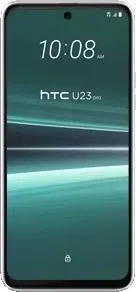
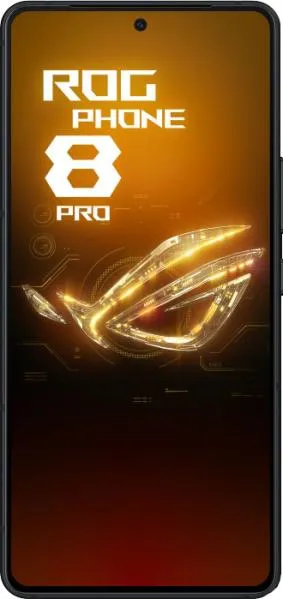
| Feature | HTC U23 Pro | Asus ROG Phone 8 Pro | Practical Impact |
|---|---|---|---|
| Design | |||
| Dimensions (mm) | 166.6 x 77.1 x 8.9 | 163.8 x 76.8 x 8.9 | ROG Phone 8 Pro is slightly shorter and narrower. Negligible difference in daily use. |
| Weight (g) | 205 | 225 | ROG Phone 8 Pro is noticeably heavier, potentially impacting one-handed use. |
| Display | |||
| Size (inches) | 6.7 | 6.78 | ROG Phone 8 Pro has a slightly larger display, providing a marginally more immersive experience. |
| Resolution (pixels) | 1080 x 2400 | 1080 x 2400 | Identical resolution; sharpness will be similar given the near-identical screen sizes. |
| Refresh Rate (Hz) | 120 | 165 | ROG Phone 8 Pro's higher refresh rate will result in smoother animations and scrolling, particularly noticeable in gaming and fast-paced content. |
| Display Type | OLED | LTPO AMOLED | Both offer excellent contrast and colors. ROG Phone 8 Pro's LTPO panel allows for variable refresh rate, potentially saving battery. It also supports 1 billion colors and HDR10 for a superior visual experience. |
| Peak Brightness (nits) | Not specified | 2500 | Missing peak brightness for HTC makes comparison difficult. ROG Phone 8 Pro's high brightness ensures excellent outdoor visibility. |
| Performance | |||
| Chipset | Snapdragon 7 Gen 1 | Snapdragon 8 Gen 3 | ROG Phone 8 Pro's 8 Gen 3 offers significantly faster CPU and GPU performance, enabling smoother multitasking, demanding gaming, and faster app loading. |
| CPU | Octa-core (1x2.4 GHz A710 & 3x2.36 GHz A710 & 4x1.8 GHz A510) | Octa-core (1x3.3 GHz X4 & 3x3.2 GHz A720 & 2x3.0 GHz A720 & 2x2.3 GHz A520) | ROG Phone 8 Pro has a more powerful CPU architecture with higher clock speeds, leading to a substantial performance advantage. |
| RAM (GB) | 8/12 | 16/24 | ROG Phone 8 Pro offers significantly more RAM, allowing for more apps to run in the background and improved multitasking. |
| Camera | |||
| Main Camera (MP) | 108 | 50 | Megapixel count isn't everything. ROG Phone 8 Pro uses a larger sensor (Sony IMX890), potentially capturing more light and detail despite lower resolution. |
| Video Recording | 4K@30fps | 8K@24fps | ROG Phone 8 Pro offers higher resolution video recording and more advanced slow-motion capabilities. |
| Battery | |||
| Capacity (mAh) | 4600 | 5500 | ROG Phone 8 Pro has a larger battery, likely translating to longer battery life. |
2. Key Differences Analysis
HTC U23 Pro Advantages:
- Potentially Lower Price: While not explicitly stated, the "medium price" range suggests it could be more affordable than the ROG Phone 8 Pro.
Asus ROG Phone 8 Pro Advantages:
- Superior Performance: The Snapdragon 8 Gen 3 and higher RAM offer a significant performance advantage for demanding tasks and gaming.
- Better Display: Higher refresh rate, LTPO technology, HDR10 support, and much higher peak brightness deliver a superior visual experience.
- Longer Battery Life: Larger battery capacity suggests longer usage time.
- More Advanced Camera Features: 8K video recording, improved sensor, and advanced features like optical zoom provide greater versatility.
- Future-Proofing: Newer Android version with longer support window, Wi-Fi 7, and Bluetooth 5.3 ensure the phone remains relevant for longer.
3. User Profiles & Recommendations
- HTC U23 Pro: Suitable for users who prioritize affordability and need a reliable smartphone for everyday tasks like browsing, social media, and light gaming.
- Asus ROG Phone 8 Pro: Ideal for power users, mobile gamers, and content creators who demand top-tier performance, a stunning display, and advanced camera features.
4. Decision Framework
Key Questions:
- What is your budget? The ROG Phone 8 Pro is significantly more expensive.
- What are your primary use cases? For basic tasks, the HTC might suffice. For demanding gaming or content creation, the ROG Phone 8 Pro is superior.
- How important is future-proofing? The ROG Phone 8 Pro offers newer technologies and longer software support.
My Choice: Asus ROG Phone 8 Pro
While significantly more expensive, the ROG Phone 8 Pro offers a substantial upgrade in performance, display quality, battery life, and camera capabilities. The Snapdragon 8 Gen 3, higher refresh rate display, and larger battery are compelling features that would significantly enhance my user experience. As someone who values a smooth and responsive device for both productivity and entertainment, the ROG Phone 8 Pro's superior specifications justify the higher price. The future-proofing aspects, like WiFi 7 and longer Android update support, are also important factors in my decision. While the HTC U23 Pro might be sufficient for basic tasks, it doesn't offer the same level of performance or future-proofing that I'm looking for.
