1. Specifications Comparison
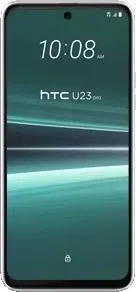
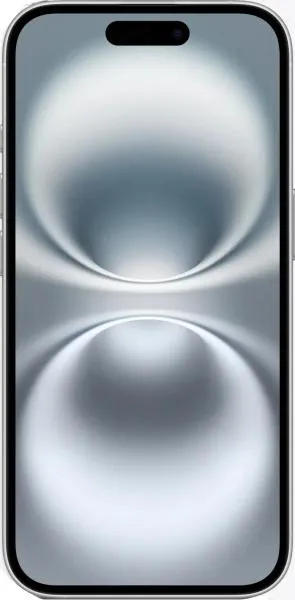
| Feature | HTC U23 Pro | Apple iPhone 16 | Practical Impact |
|---|---|---|---|
| Design | |||
| Dimensions (mm) | 166.6 x 77.1 x 8.9 | 147.6 x 71.6 x 7.8 | iPhone 16 is significantly smaller and lighter, making it more pocketable and comfortable for one-handed use. |
| Weight (g) | 205 | 170 | iPhone 16 is noticeably lighter, reducing hand fatigue during extended use. |
| Display | |||
| Size (inches) | 6.7 | 6.1 | HTC U23 Pro offers a larger screen for more immersive media consumption and multitasking, but may be less comfortable for one-handed use. |
| Resolution (px) | 1080 x 2400 | 1179 x 2556 | iPhone 16 has a sharper display with higher pixel density (460 ppi vs 393 ppi), resulting in crisper text and images. |
| Type | OLED, 120Hz | Super Retina XDR OLED | Both are OLED, offering vibrant colors and deep blacks. iPhone 16 boasts HDR10 and Dolby Vision support for superior dynamic range. |
| Refresh Rate (Hz) | 120 | Unspecified | 120Hz on the HTC U23 Pro provides smoother scrolling and animations. Lack of iPhone 16 refresh rate data hinders comparison. |
| Performance | |||
| Chipset | Snapdragon 7 Gen 1 | Apple A18 | A18 is expected to significantly outperform Snapdragon 7 Gen 1 in speed and efficiency due to Apple's silicon expertise and 3nm process. |
| CPU | Octa-core | Hexa-core | Both are powerful, but architectural differences prevent direct core count comparison. A18 is likely more powerful. |
| RAM (GB) | 8/12* | 8 | HTC offers a 12GB RAM option, potentially beneficial for heavy multitasking, while the iPhone 16 has 8GB. |
| Camera | |||
| Main Camera (MP) | 108 | 48 | HTC has higher megapixel count, but sensor size and processing play a bigger role in image quality. iPhone uses a larger sensor. |
| Video | 4K@30fps | 4K@60fps | iPhone 16 offers higher resolution and frame rate video recording. |
| Battery | |||
| Capacity (mAh) | 4600 | 3561 | HTC U23 Pro has a larger battery capacity, potentially offering longer battery life. |
* Availability of RAM options may vary by region.
2. Key Differences Analysis
HTC U23 Pro Advantages:
- Larger Display: More immersive media consumption and multitasking.
- Higher Resolution Main Camera: Potentially more detailed photos in ideal lighting conditions.
- Larger Battery: Potentially longer battery life.
- Higher base RAM option: Potentially smoother multitasking.
iPhone 16 Advantages:
- More Powerful Chipset: Significantly faster performance in demanding tasks and applications.
- Sharper Display: Clearer text and images due to higher pixel density.
- HDR10 and Dolby Vision: Superior dynamic range in video playback.
- Higher Quality Video Recording: 4K@60fps with HDR.
- More Compact Design: Easier to handle and carry.
3. User Profiles & Recommendations
HTC U23 Pro: Users prioritizing large screen size, longer battery life, and affordability. Ideal for media consumption, multitasking, and casual gaming.
iPhone 16: Users prioritizing performance, camera quality, premium design, and seamless iOS integration. Ideal for demanding tasks, mobile photography/videography, and gaming.
4. Decision Framework
Key Questions:
- What is your budget? The iPhone 16 is generally more expensive.
- What are your primary use cases? (e.g., media consumption, gaming, photography)
- Which operating system do you prefer? (Android vs. iOS)
My Choice: Apple iPhone 16
While the HTC U23 Pro offers a larger battery and display, the iPhone 16's superior performance, sharper display with HDR/Dolby Vision, significantly better video recording capabilities, and more compact design are more compelling to me. The A18 chip's expected performance lead over the Snapdragon 7 Gen 1 is significant, ensuring a smoother and more responsive user experience in the long run. Although the battery capacity is smaller, Apple's chip efficiency might mitigate this difference in real-world usage. Additionally, I value the refined design and seamless integration within the Apple ecosystem. The higher price is justified by these advantages for my personal needs and priorities.
