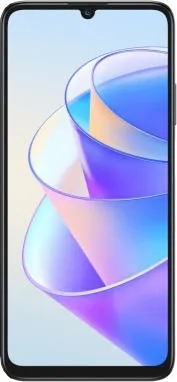
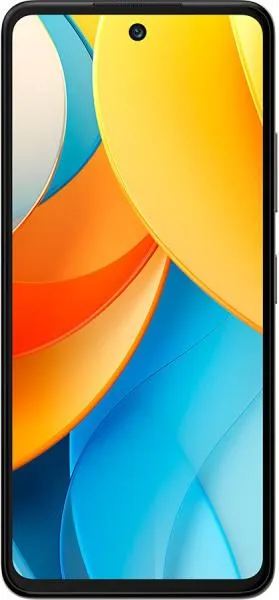
Honor X7a vs. ZTE Blade V60 Design: A Detailed Comparison
Let's dive into a head-to-head comparison of the Honor X7a and the ZTE Blade V60 Design, dissecting their specifications and uncovering what they truly offer in terms of real-world performance.
1. Specifications Breakdown
| Feature | Honor X7a | ZTE Blade V60 Design | Real-World Implications |
|---|---|---|---|
| Design | |||
| Dimensions (mm) | 167.5 x 76.9 x 8.3 | 164.2 x 75.3 x 8.6 | V60 Design slightly shorter and narrower, but thicker. X7a potentially feels slimmer in hand. |
| Weight (g) | 196 | 198 | Negligible weight difference; both feel substantial. |
| Build Materials | N/A | N/A | Build quality unknown, impacting durability and premium feel. |
| Display | |||
| Size (inches) | 6.75 | 6.6 | X7a offers slightly larger screen real estate. |
| Resolution (px) | 720 x 1600 | 720 x 1612 | Virtually identical resolution; expect similar sharpness. V60 Design's slightly taller aspect ratio. |
| Type | TFT LCD | IPS LCD | IPS LCD generally offers better color reproduction and viewing angles than TFT LCD. |
| Refresh Rate (Hz) | N/A | 90 | V60 Design's 90Hz offers smoother scrolling and animations. A noticeable advantage in daily use. |
| Performance | |||
| Chipset | Helio G37 | Unisoc T606 | Both entry-level chipsets; expect comparable performance for basic tasks. T606 might edge out in benchmarks. |
| CPU | Octa-core | Octa-core | Similar core configuration, but architectural differences may impact performance. Real-world testing needed. |
| RAM (GB) | 4/6 | 4/6 | RAM options provide flexibility for multitasking; 6GB will handle more demanding apps smoother. |
| Camera | |||
| Main Camera (MP) | 50 | 50 | Comparable main camera resolution. Image quality depends on sensor and processing. Real-world tests crucial. |
| Other Cameras | 5MP Wide, 2MP Macro, 2MP Depth | 2MP Depth, 0.3MP(unknown) | X7a offers a dedicated wide-angle lens, a significant advantage for landscape and group photos. |
| Battery Life | |||
| Capacity (mAh) | 6000 | 5000 | X7a's larger battery likely translates to longer usage time. |
2. Key Insights
- Display: The V60 Design's 90Hz IPS LCD provides a smoother, more visually appealing experience compared to the X7a's standard 60Hz TFT LCD. This is a significant advantage for the V60 Design.
- Performance: Performance differences between the Helio G37 and Unisoc T606 are likely to be subtle in everyday use. Both are geared towards efficiency and handling basic tasks.
- Camera: The Honor X7a's dedicated wide-angle lens gives it a clear edge in versatility. The ZTE Blade V60 Design’s third camera's purpose is unclear, making its practical value questionable.
- Battery: The Honor X7a boasts a significantly larger battery, promising longer usage on a single charge.
3. User Profiles and Recommendations
- Honor X7a: Best suited for users prioritizing long battery life and a wide-angle camera. Ideal for those who consume a lot of media, use navigation frequently, or capture group photos often.
- ZTE Blade V60 Design: A good option for users who value a smooth display experience above all else. Appealing to those sensitive to screen refresh rates and who prioritize a fluid user interface.
4. Buying Decision Framework
- Is a smooth display your top priority? If yes, the V60 Design's 90Hz refresh rate is a compelling feature.
- How important is battery life? If all-day usage on a single charge is crucial, the X7a's 6000mAh battery is a significant advantage.
- Do you frequently take wide-angle photos? The X7a's dedicated wide-angle lens offers more versatility in photography.
My Choice: The Honor X7a
While the ZTE Blade V60 Design's 90Hz display is tempting, I would choose the Honor X7a. The significantly larger battery capacity and the inclusion of a wide-angle lens are more compelling factors for my personal usage. I prioritize all-day battery life and appreciate the flexibility of a wide-angle camera for capturing landscapes and group shots. While the V60 Design's smoother display enhances the user experience, the X7a's advantages in battery life and camera versatility outweigh that benefit for me. Ultimately, it comes down to individual needs and priorities.
