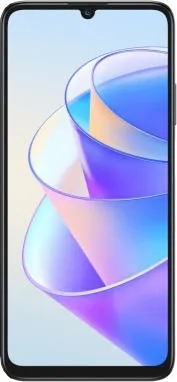
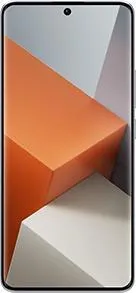
Honor X7a vs. Xiaomi Redmi Note 13 Pro+: A Deep Dive
Let's dissect the Honor X7a and the Xiaomi Redmi Note 13 Pro+, two intriguing contenders in the mid-range smartphone arena. We'll go beyond the spec sheet to uncover what these devices offer in real-world usage.
1. Specifications Breakdown
| Feature | Honor X7a | Xiaomi Redmi Note 13 Pro+ | Real-World Implications |
|---|---|---|---|
| Design | |||
| Dimensions (mm) | 167.5 x 76.9 x 8.3 | 161.4 x 74.2 x 8.9 | Note 13 Pro+ is slightly more compact |
| Weight (g) | 196 | 199 | Negligible difference in weight |
| Display | |||
| Type | TFT LCD | AMOLED | Pro+ offers richer colors, deeper blacks, and better power efficiency |
| Size (inches) | 6.75 | 6.67 | Virtually the same screen real estate |
| Resolution | 720 x 1600 | 1220 x 2712 | Pro+ boasts significantly sharper visuals |
| Refresh Rate (Hz) | - | 120 | Smoother scrolling and animations on the Pro+ |
| Peak Brightness (nits) | - | 1800 | Pro+ offers exceptional outdoor visibility |
| Performance | |||
| Chipset | Helio G37 (12nm) | Dimensity 7200 Ultra (4nm) | Pro+ delivers vastly superior processing power and efficiency |
| CPU | Octa-core (Cortex-A53) | Octa-core (Cortex-A715 & A510) | Pro+ handles demanding tasks and multitasking with ease |
| GPU | PowerVR GE8320 | Mali-G610 MC4 | Pro+ offers a substantial boost in gaming and graphics performance |
| RAM (GB) | 4/6 | 8/12/16 | Pro+ provides smoother multitasking and app loading |
| Camera | |||
| Main Camera (MP) | 50 | 200 | Pro+ captures significantly more detail |
| Sensor | - | Samsung ISOCELL HP3 | Pro+ utilizes a larger, more advanced sensor |
| Aperture | f/1.8 | f/1.65 | Pro+ allows more light, improving low-light performance |
| Video | 1080p@30fps | 4K@30fps | Pro+ offers higher resolution video recording |
| Battery Life | |||
| Capacity (mAh) | 6000 | 5000 | X7a likely offers longer battery life due to larger capacity and less demanding display/processor |
2. Key Insights
- Performance Disparity: The Redmi Note 13 Pro+ significantly outperforms the Honor X7a due to its advanced Dimensity 7200 Ultra chipset, more RAM, and a superior GPU. This translates to a smoother, faster user experience, particularly in demanding tasks and gaming.
- Display Quality: The AMOLED display on the Pro+ with a 120Hz refresh rate and HDR10+ support offers a vibrant, fluid visual experience compared to the X7a's standard TFT LCD.
- Camera Prowess: The 200MP main camera on the Pro+, coupled with a larger sensor and wider aperture, promises significantly better image quality, especially in low-light conditions. The Pro+'s advanced video recording capabilities also stand out.
- Battery Life Considerations: While the X7a boasts a larger battery, the Pro+'s more efficient processor and AMOLED display could potentially offset this difference. Real-world battery life will depend on usage patterns.
3. User Profiles and Recommendations
- Honor X7a: Best suited for budget-conscious users who prioritize long battery life and basic functionality. Ideal for casual browsing, social media, and light gaming.
- Xiaomi Redmi Note 13 Pro+: Ideal for users who demand performance, a stunning display, and a capable camera system. Perfect for mobile gamers, content creators, and those who appreciate a premium multimedia experience.
4. Buying Decision Framework
- What is your budget? The X7a is significantly more affordable.
- What are your performance needs? For demanding tasks and gaming, the Pro+ is a must.
- How important is display and camera quality? The Pro+ excels in both areas.
My Choice: Xiaomi Redmi Note 13 Pro+
While the Honor X7a offers incredible battery life for its price, the Xiaomi Redmi Note 13 Pro+ is the clear winner for me. Its superior performance, stunning AMOLED display, and advanced camera system make it a more compelling overall package. I prioritize a smooth, responsive user experience and high-quality visuals, and the Pro+ delivers on both fronts. While the battery capacity is smaller, the power efficiency of the chipset and display should provide ample battery life for my usage. The price difference is justifiable considering the substantial upgrade in features and performance. I'm willing to invest in a device that enhances my productivity, entertainment, and overall mobile experience.
