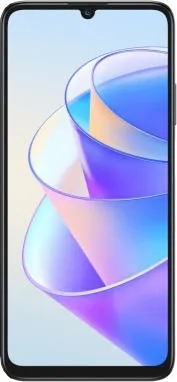
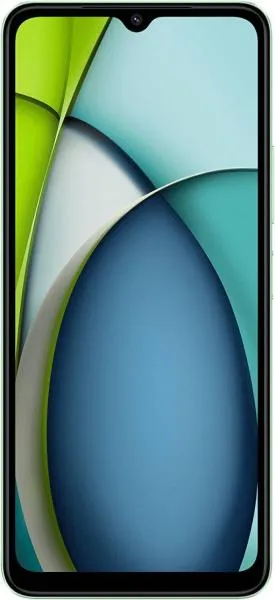
Honor X7a vs. Xiaomi Redmi A3x: A Practical Comparison
Let's dive into a detailed comparison of the Honor X7a and Xiaomi Redmi A3x, focusing on how their specifications translate to real-world user experiences.
1. Specifications Breakdown
| Feature | Honor X7a | Xiaomi Redmi A3x | Real-World Implications | |||||
|---|---|---|---|---|---|---|---|---|
| Design | ||||||||
| Dimensions (mm) | 167.5 x 76.9 x 8.3 | 168.4 x 76.3 x 8.3 | Negligible size difference in hand. | |||||
| Weight (g) | 196 | 193 | Both feel similarly weighty. | |||||
| Build Materials | Not specified | Not Specified | Durability and premium feel are unknown. | |||||
| Display | ||||||||
| Size (inches) | 6.75 | 6.71 | Virtually identical screen real estate. | |||||
| Resolution (px) | 720 x 1600 | 720 x 1650 | Similar sharpness; A3x slightly denser due to smaller size. | |||||
| Display Type | TFT LCD | IPS LCD | A3x likely offers better color accuracy and viewing angles. | |||||
| Refresh Rate (Hz) | Not specified | 90 | A3x will feel smoother when scrolling and gaming. | |||||
| Performance | ||||||||
| Chipset | Mediatek Helio G37 | Unisoc T603 | G37 generally performs better in benchmarks, potentially offering smoother multitasking and gaming. | |||||
| CPU | Octa-core (4x2.3 GHz & 4x1.7 GHz) | Octa-core 1.8 GHz | Honor X7a likely has a performance edge in demanding tasks. | |||||
| RAM (GB) | 4/6 | 3/4 | More RAM in some X7a variants enables better multitasking. | |||||
| GPU | PowerVR GE8320 | Mali-G57 MP1 | Gaming performance likely better on the Honor X7a. | OS | Android 12 | Android 14 | A3x benefits from newer OS features, security updates, and potential performance optimizations. | |
| Camera | ||||||||
| Rear Camera | 50MP Main, 5MP Wide, 2MP Macro, 2MP Depth | 8MP Main, 0.1MP (unknown), | Honor X7a boasts significantly higher resolution main camera, potentially capturing more detail. A3x's secondary rear camera purpose is unclear. | |||||
| Front Camera | 8MP | 5MP | X7a offers higher resolution for selfies. | |||||
| Battery Life | ||||||||
| Capacity (mAh) | 6000 | 5000 | Honor X7a likely provides longer battery life. | |||||
| Other | ||||||||
| NFC | Yes | No | X7a supports contactless payments and data transfer. | |||||
| Price Range | Medium | Low | Redmi A3x positioned as a more budget-friendly option. |
2. Key Insights
- Performance: The Honor X7a, with its Helio G37 chipset, likely offers a noticeable performance advantage over the Redmi A3x, especially in gaming and multitasking.
- Display: While both have similar screen sizes and resolutions, the Redmi A3x's 90Hz IPS LCD provides a smoother and visually more appealing experience compared to the Honor X7a's standard TFT LCD.
- Camera: The Honor X7a's 50MP main camera promises significantly better image quality than the Redmi A3x's 8MP sensor. However, real-world performance depends on factors beyond resolution. The utility of the A3x's secondary 0.1MP rear camera is questionable.
- Battery: The Honor X7a's massive 6000mAh battery will likely outlast the Redmi A3x's 5000mAh battery by a considerable margin.
- Software: The Redmi A3x ships with a newer Android version (14), offering potential advantages in features, performance optimizations, and longer-term software support.
- Price: The Redmi A3x is positioned in the low price range, making it a more budget-conscious option compared to the mid-range Honor X7a.
3. User Profiles and Recommendations
- Honor X7a: Suited for users who prioritize performance, battery life, and camera quality. Good for gaming, media consumption, and all-day usage without frequent charging.
- Xiaomi Redmi A3x: Best for budget-conscious users who prioritize a smooth display experience for everyday tasks like web browsing and social media. Suitable for light users who don't demand high performance or advanced camera features.
4. Buying Decision Framework
- What's your budget? If price is a primary concern, the Redmi A3x is the clear choice.
- What are your primary use cases? Gamers and power users will appreciate the X7a's performance. Casual users focused on basic tasks will find the A3x sufficient.
- How important is battery life? The X7a's superior battery capacity is a significant advantage for users who need a phone that lasts all day.
My Choice: While the Redmi A3x is an attractive budget option, I would choose the Honor X7a. The performance difference, longer battery life, higher-resolution camera, and NFC functionality are compelling advantages for my usage. I'm willing to invest a bit more for the significant boost in these key areas, which significantly enhance my daily experience. While the A3x's newer OS and 90Hz display are tempting, the performance and battery life benefits of the X7a outweigh those advantages for me.
