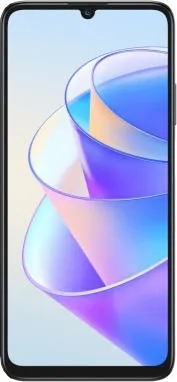
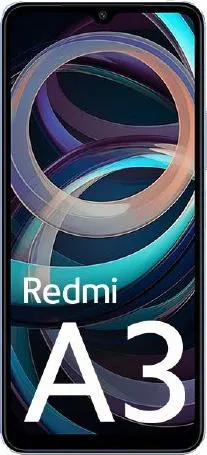
Honor X7a vs. Xiaomi Redmi A3: A Detailed Comparison
Let's dive deep into a comparative analysis of the Honor X7a and the Xiaomi Redmi A3, dissecting their technical specifications and translating them into real-world implications for you.
1. Specifications Breakdown
| Feature | Honor X7a | Xiaomi Redmi A3 | Real-World Implications |
|---|---|---|---|
| Design | |||
| Dimensions (mm) | 167.5 x 76.9 x 8.3 | 168.3 x 76.3 x 8.3 | Virtually identical in size; negligible difference in hand feel. |
| Weight (g) | 196 | 193 | Both feel similarly weighty in hand, typical for phones with large batteries. |
| Display | |||
| Size (inches) | 6.75 | 6.71 | Negligible difference in screen real estate. |
| Resolution (px) | 720 x 1600 | 720 x 1650 | Redmi A3 has a slightly taller aspect ratio, but both are HD+ and won't offer razor-sharp detail like higher-res displays. |
| Type | TFT LCD | IPS LCD | IPS LCD generally offers better color accuracy and viewing angles than TFT LCD. Advantage Redmi A3. |
| Refresh Rate (Hz) | - | 90 | Redmi A3's 90Hz refresh rate will provide smoother scrolling and animations. Significant advantage. |
| Performance | |||
| Chipset | Helio G37 | Helio G36 | Both are entry-level chipsets, but the G37 in the X7a is marginally faster. Expect comparable everyday performance. |
| CPU | Octa-core | Octa-core | Similar CPU configurations; core speeds are slightly different, but real-world performance differences will be minor. |
| RAM (GB) | 4/6 | 3/4/6 | More RAM generally allows for smoother multitasking. Both offer options for ample RAM. |
| OS | Android 12 | Android 14 | Redmi A3 ships with a more modern OS, offering potential feature and security advantages. |
| Camera | |||
| Rear Main (MP) | 50 | 8 | Honor X7a boasts a significantly higher resolution main sensor, promising better detail and low-light performance. |
| Front (MP) | 8 | 5 | Honor X7a again leads with a higher resolution selfie camera. |
| Battery | |||
| Capacity (mAh) | 6000 | 5000 | Honor X7a offers a significantly larger battery, potentially translating to much longer usage time. |
| Other | |||
| Price | Medium | Low | Redmi A3 is positioned as a more budget-friendly option. |
| NFC | Yes | Yes | Both support contactless payments and data transfer. |
2. Key Insights
- Display: The Redmi A3's 90Hz IPS LCD provides a noticeably smoother and more visually appealing experience compared to the X7a's standard 60Hz TFT LCD. This is a major differentiator.
- Performance: Performance differences between the Helio G36 and G37 will be subtle in everyday tasks. The RAM options on both phones are sufficient for most users. Android 14 on the Redmi A3 offers a longer software support lifespan.
- Camera: The Honor X7a's 50MP main camera significantly outmuscles the Redmi A3's 8MP shooter on paper. Expect significantly better image quality from the X7a, especially in challenging lighting conditions.
- Battery: The Honor X7a's massive 6000mAh battery is a clear winner, likely providing a full day of heavy use or even multiple days with moderate usage.
3. User Profiles and Recommendations
- Honor X7a: Best suited for users who prioritize battery life and camera quality. Ideal for those who capture lots of photos and videos, or need a phone that can last through long days without charging.
- Xiaomi Redmi A3: A solid choice for budget-conscious users who value a smooth display and the latest Android version. Good for casual users who prioritize web browsing, social media, and light gaming.
4. Buying Decision Framework
- What is your budget? If price is a primary concern, the Redmi A3 is the more affordable option.
- How important is battery life? If all-day or multi-day battery life is crucial, the X7a is the clear winner.
- Are you a heavy camera user? For capturing high-quality photos and videos, the X7a's superior camera system is essential.
My Choice: The Honor X7a
While the Redmi A3 offers a smoother display and newer Android version, the Honor X7a's exceptional battery life and significantly better camera are decisive factors for me. I value the ability to capture high-quality photos and go for extended periods without needing to recharge. The slight performance difference is negligible for my usage, and while a 90Hz display is nice, the combination of a large battery and a capable camera outweighs it in my personal use case. I am also willing to pay a bit more for these features. The X7a strikes a better balance for my needs, offering superior value in the long run.
