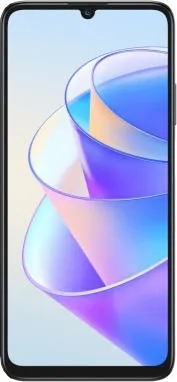
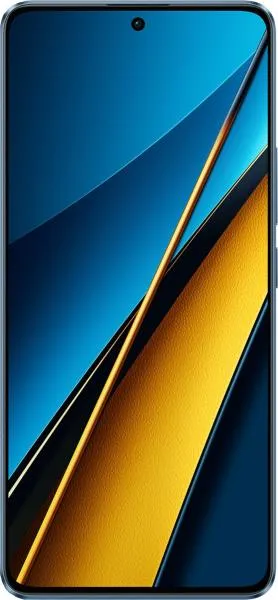
Honor X7a vs. Xiaomi Poco X6: A Deep Dive for the Discerning Smartphone User
The mid-range smartphone arena is fiercely competitive, with devices vying for your attention with compelling features and attractive price points. Today, we dissect two contenders: the Honor X7a and the Xiaomi Poco X6. Let's move beyond the marketing hype and delve into the engineering realities to see which phone truly delivers.
1. Specifications Breakdown
| Feature | Honor X7a | Xiaomi Poco X6 | Real-World Implications |
|---|---|---|---|
| Design | |||
| Dimensions (mm) | 167.5 x 76.9 x 8.3 | 161.2 x 74.3 x 8.0 | Poco X6 is slightly more compact and lighter, enhancing one-handed usability. |
| Weight (g) | 196 | 181 | Noticeable difference in hand; Poco X6 will feel less bulky. |
| Display | |||
| Type | TFT LCD | AMOLED | Poco X6 offers richer colors, deeper blacks, and better power efficiency. |
| Size (inches) | 6.75 | 6.67 | Negligible size difference; both offer ample screen real estate. |
| Resolution | 720 x 1600 | 1220 x 2712 | Significantly sharper and more detailed visuals on the Poco X6. |
| Refresh Rate (Hz) | - | 120 | Smoother scrolling and animations on the Poco X6, enhancing responsiveness and gaming. |
| Peak Brightness | - | 1800 nits | Superior outdoor visibility on the Poco X6, even in direct sunlight. |
| Performance | |||
| Chipset | Helio G37 (12nm) | Snapdragon 7s Gen 2 (4nm) | Poco X6 boasts a significantly more powerful and efficient processor, leading to much faster performance in demanding tasks and games. |
| CPU | Octa-core 2.3 GHz | Octa-core 2.4 GHz | Faster clock speed and more advanced architecture on the Poco X6 translate to a noticeable performance boost. |
| GPU | PowerVR GE8320 | Adreno 710 | Considerably better graphics performance on the Poco X6, enabling smoother gameplay and faster rendering. |
| RAM | 4/6GB | 8/12GB | More RAM on the Poco X6 allows for seamless multitasking and smoother app switching. |
| Camera | |||
| Main Camera | 50MP | 64MP | Higher resolution on the Poco X6 potentially offers more detail; however, image quality depends on factors beyond resolution. |
| Video Recording | 1080p@30fps | 4K@30fps | Poco X6 capable of recording higher resolution video. |
| Battery | |||
| Capacity (mAh) | 6000 | 5100 | Larger battery in the Honor X7a suggests longer battery life, but real-world usage will depend on optimization and display efficiency. |
2. Key Insights
The Honor X7a prioritizes battery life with its massive 6000mAh capacity. Its strength lies in endurance for basic tasks like calling, texting, and browsing.
The Xiaomi Poco X6, on the other hand, is a performance-oriented device. Its superior processor, ample RAM, high refresh rate AMOLED display, and 5G connectivity make it ideal for demanding users.
3. User Profiles and Recommendations
Honor X7a: Best suited for users who prioritize battery life above all else and primarily use their phones for basic communication and light browsing.
Xiaomi Poco X6: Ideal for users who value performance, a vibrant display, and smooth multitasking. Gamers, content creators, and power users will appreciate its capabilities.
4. Buying Decision Framework
- What is your budget? The Poco X6 commands a higher price, reflecting its superior specifications.
- What are your primary phone usage patterns? If battery life is paramount, the Honor X7a is the clear winner. If performance and multimedia consumption are priorities, the Poco X6 is the better choice.
- Do you value future-proofing? The Poco X6, with its 5G connectivity and more powerful processor, is better equipped for the long haul.
My Choice: The Xiaomi Poco X6
While the Honor X7a's battery life is tempting, I'd choose the Xiaomi Poco X6. As a tech journalist, I demand performance and a fluid user experience. The Poco X6's superior processor, vibrant AMOLED display with a 120Hz refresh rate, and 5G connectivity are crucial for my workflow. The slightly smaller battery is a trade-off I'm willing to make for the significant gains in overall performance and future-proofing. The difference in screen quality alone would be a deciding factor; a crisp, high-resolution AMOLED display dramatically enhances daily usage.
