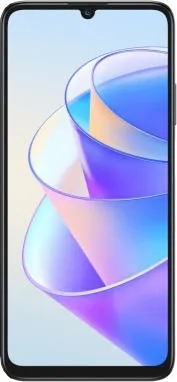
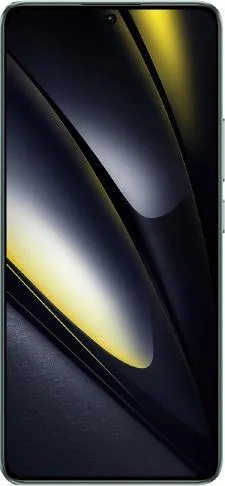
Honor X7a vs. Xiaomi Poco F6: A Deep Dive for the Discerning Smartphone User
Hello fellow tech explorers! Today, we're dissecting two intriguing contenders in the mid-range smartphone arena: the Honor X7a and the Xiaomi Poco F6. Let's delve beyond the spec sheets and uncover what these devices truly offer in the real world.
1. Specifications Breakdown
| Feature | Honor X7a | Xiaomi Poco F6 | Real-World Implications |
|---|---|---|---|
| Design | |||
| Dimensions (mm) | 167.5 x 76.9 x 8.3 | 160.5 x 74.5 x 8 | Poco F6 is slightly more compact and lighter, enhancing one-handed usability. |
| Weight (g) | 196 | 179 | Poco F6's lighter weight contributes to a more comfortable in-hand feel, especially during extended use. |
| Display | |||
| Type | TFT LCD | AMOLED | Poco F6's AMOLED delivers vibrant colors, deeper blacks, and superior contrast, resulting in a more visually immersive experience. |
| Size (inches) | 6.75 | 6.67 | Negligible difference in screen real estate. |
| Resolution | 720x1600 | 1220x2712 | Poco F6 boasts significantly sharper visuals with higher pixel density (446 ppi vs. 260 ppi). |
| Refresh Rate (Hz) | - | 120 | Poco F6's 120Hz refresh rate ensures smoother scrolling, animations, and gaming, contributing to a more fluid user experience. |
| Performance | |||
| Chipset | Helio G37 | Snapdragon 8s Gen 3 | Poco F6's Snapdragon 8s Gen 3 offers a massive leap in processing power, enabling significantly faster performance in all tasks. |
| CPU | Octa-core (4x2.3 GHz Cortex-A53 & 4x1.7 GHz Cortex-A53) | Octa-core (1x3.0 GHz Cortex-X4 & 4x2.8 GHz Cortex-A720 & 3x2.0 GHz Cortex-A520) | Poco F6 delivers flagship-level performance, handling demanding applications and multitasking with ease. |
| RAM (GB) | 4/6 | 8/12 | Poco F6 provides more RAM for smoother multitasking and background app management. |
| Camera | |||
| Main Camera (MP) | 50 | 50 | Comparable main camera resolution, but image quality will likely differ due to sensor and processing differences. |
| Video | 1080p@30fps | Up to 4K@60fps | Poco F6 offers superior video recording capabilities with higher resolution and frame rates. |
| Battery Life | |||
| Capacity (mAh) | 6000 | 5000 | Honor X7a offers a larger battery capacity, potentially translating to longer usage time. However, Poco F6's more efficient processor may offset this difference. |
2. Key Insights
- Performance: The Poco F6 is a clear winner in terms of performance. Its powerful Snapdragon 8s Gen 3 chipset makes it ideal for demanding tasks like gaming and content creation. The Honor X7a, with its Helio G37, is geared towards more basic usage.
- Display: The Poco F6's AMOLED display with a 120Hz refresh rate provides a vastly superior visual experience compared to the Honor X7a's TFT LCD.
- Battery Life: While the Honor X7a has a larger battery, the Poco F6's more efficient chipset might result in comparable battery life. Real-world usage will be crucial to determine the winner.
- Price-to-Performance: While both are mid-range, the Poco F6 likely commands a higher price due to its superior specs. The Honor X7a offers better value if budget is a primary concern.
3. User Profiles and Recommendations
- Honor X7a: Ideal for budget-conscious users who prioritize battery life and basic functionality over high performance or premium visuals. Great for casual social media, web browsing, and light tasks.
- Xiaomi Poco F6: Suited for power users, gamers, and content creators who demand top-tier performance, a stunning display, and advanced camera features.
4. Buying Decision Framework
- What is your budget? If price is a major constraint, the Honor X7a is the more affordable option.
- What are your primary use cases? For demanding tasks and gaming, choose the Poco F6. For basic usage and long battery life, consider the X7a.
- How important is display quality? If you value vibrant colors and smooth visuals, the Poco F6's AMOLED display is a must-have.
My Choice: As a tech journalist who values performance and a premium user experience, I would choose the Xiaomi Poco F6. The Snapdragon 8s Gen 3, coupled with the AMOLED display and 120Hz refresh rate, offers a significant leap in performance and visual quality that I find essential. While the Honor X7a offers impressive battery life, the Poco F6's overall package is more compelling for my needs. The superior speed and smoothness would enhance my productivity and allow me to enjoy demanding mobile games and media consumption to the fullest. I'm willing to pay the price premium for the significantly enhanced user experience.
