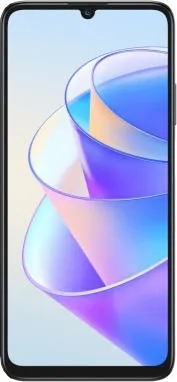
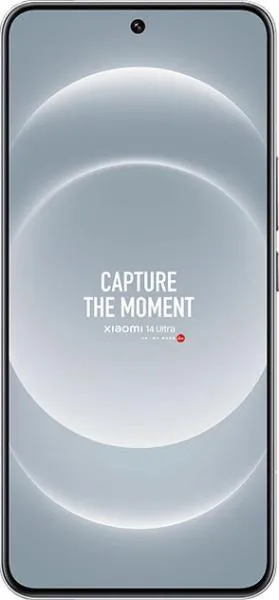
Honor X7a vs. Xiaomi 14 Ultra: A Deep Dive
Let's dissect the Honor X7a and the Xiaomi 14 Ultra, two phones occupying different ends of the Android spectrum. This isn't just about specs; it's about understanding how these numbers translate into your daily experience.
1. Specifications Breakdown
| Feature | Honor X7a | Xiaomi 14 Ultra | Real-World Implications |
|---|---|---|---|
| Design | |||
| Dimensions (mm) | 167.5 x 76.9 x 8.3 | 161.4 x 75.3 x 9.2 | X7a is taller and slightly wider, 14 Ultra is thicker and heavier. |
| Weight (g) | 196 | 229.5 | X7a feels noticeably lighter in hand. |
| Display | |||
| Type | TFT LCD | LTPO AMOLED | 14 Ultra offers significantly better contrast, colors, and viewing angles. X7a's LCD is more basic. |
| Size (inches) | 6.75 | 6.73 | Negligible size difference. |
| Resolution | 720 x 1600 | 1440 x 3200 | 14 Ultra boasts much sharper visuals due to higher resolution. |
| Refresh Rate (Hz) | - | 120 | 14 Ultra provides smoother scrolling and animations. |
| Performance | |||
| Chipset | Helio G37 | Snapdragon 8 Gen 3 | 14 Ultra delivers vastly superior processing power and graphics performance for demanding tasks and gaming. |
| CPU | Octa-core 2.3 GHz | Octa-core 3.3 GHz | 14 Ultra offers significantly faster and more responsive performance. |
| RAM (GB) | 4/6 | 12/16 | 14 Ultra enables seamless multitasking and handles heavy apps with ease. |
| Camera | |||
| Main Camera (MP) | 50 | 50 (1-inch sensor) | 14 Ultra's larger sensor likely captures more light and detail, especially in low-light conditions. Leica lens contributes to image quality. |
| Video | 1080p@30fps | 8K@30fps | 14 Ultra offers substantially higher video resolution and frame rate options. |
| Battery Life | |||
| Capacity (mAh) | 6000 | 5000 | X7a's larger battery potentially offers longer runtime, but 14 Ultra's efficient chip could compensate. |
2. Key Insights
- Performance Chasm: The Snapdragon 8 Gen 3 in the 14 Ultra obliterates the Helio G37 in the X7a. This translates to a dramatically smoother and faster experience across the board for the 14 Ultra, especially in demanding tasks like gaming and video editing.
- Display Delight: The 14 Ultra's LTPO AMOLED display with a 120Hz refresh rate offers vibrant colors, deep blacks, and incredibly smooth animations. The X7a's TFT LCD pales in comparison, lacking the visual punch and responsiveness.
- Camera Prowess: While both have 50MP main cameras, the 14 Ultra utilizes a much larger 1-inch sensor, promising superior low-light performance and dynamic range. The Leica collaboration further enhances image quality. The 14 Ultra's advanced video capabilities, including 8K recording, are leagues ahead.
- Battery Endurance: The X7a boasts a larger 6000mAh battery, suggesting longer battery life. However, the 14 Ultra's power-efficient processor and LTPO display could optimize power consumption, potentially closing the gap.
3. User Profiles and Recommendations
- Honor X7a: Best suited for budget-conscious users who prioritize basic functionality: calling, texting, social media, and light web browsing. Its large battery is a boon for those needing extended usage between charges.
- Xiaomi 14 Ultra: Ideal for power users, photographers, videographers, and mobile gamers who demand top-tier performance, a stunning display, and a cutting-edge camera system.
4. Buying Decision Framework
- What is your budget? The X7a is a budget-friendly option, while the 14 Ultra sits in the premium segment.
- What are your primary smartphone uses? For basic tasks, the X7a suffices. For demanding applications, the 14 Ultra is essential.
- How important are display quality and camera performance? The 14 Ultra significantly outshines the X7a in both areas.
My Choice: If budget weren't a constraint, the Xiaomi 14 Ultra is the clear winner. Its superior performance, stunning display, and advanced camera system make it a truly compelling device. While the Honor X7a offers excellent battery life for its price, the overall experience provided by the 14 Ultra is simply in a different league. The performance difference alone would drastically change my daily interactions with the phone, making the 14 Ultra a more future-proof and enjoyable device to use. As someone who values a smooth, responsive, and visually rich experience, the compromises with the X7a would be too significant.
