
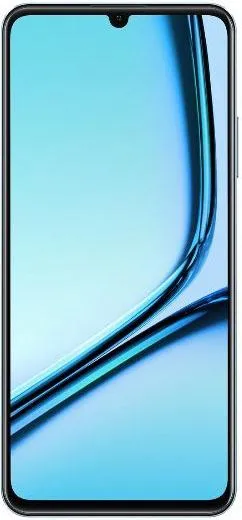
Honor X7a vs. Realme Note 50: A Detailed Comparison
Let's dive deep into a comparative analysis of the Honor X7a and the Realme Note 50, dissecting their specifications and translating them into real-world implications for you.
1. Specifications Breakdown
| Feature | Honor X7a | Realme Note 50 | Real-World Implications |
|---|---|---|---|
| Design | |||
| Dimensions (mm) | 167.5x76.9x8.3 | 167.2x76.7x8.0 | Virtually identical in size and feel. |
| Weight (g) | 196 | 186 | Negligible difference in weight; both feel comfortable in hand. |
| Display | |||
| Size (inches) | 6.75 | 6.74 | Nearly identical screen real estate. |
| Resolution (px) | 720x1600 | 720x1600 | Same resolution, resulting in similar sharpness. Honor X7a might have slightly better clarity due to potentially higher pixel density. |
| Type | TFT LCD | IPS LCD | Realme's IPS LCD generally offers better color reproduction and viewing angles than Honor's TFT LCD. |
| Refresh Rate (Hz) | - | 90 | Realme's 90Hz display will feel noticeably smoother for scrolling and animations, leading to a more fluid user experience. |
| Performance | |||
| Chipset | Helio G37 | Tiger T612 | Both are entry-level chipsets; performance differences likely minimal for everyday tasks. Benchmarking would clarify real-world performance gaps. |
| CPU | Octa-core | Octa-core | Core configuration similar; clock speeds would dictate performance nuances. |
| RAM (GB) | 4/6 | 3/4 | 4GB sufficient for basic tasks; 6GB on the Honor X7a provides better multitasking. |
| Camera | |||
| Rear Main (MP) | 50 | 13 | Honor's 50MP significantly outclasses Realme's 13MP in resolution, potentially capturing more detail. Real-world image quality needs further review. |
| Front (MP) | 8 | 5 | Honor offers a higher resolution selfie camera. |
| Battery | |||
| Capacity (mAh) | 6000 | 5000 | Honor's significantly larger battery likely translates to substantially longer usage time. |
| Other | |||
| NFC | Yes | No | Honor supports contactless payments and data transfer via NFC. |
| OS | Android 12 | Android 13 | Realme comes with a newer Android version out-of-the-box, potentially offering newer features and longer software support. |
| Price | Medium | Low | Realme Note 50 is positioned as a more budget-friendly option. |
2. Key Insights
- Display: While resolution is similar, the Realme Note 50's 90Hz refresh rate provides a tangible advantage in fluidity and responsiveness. Honor's TFT display may exhibit washed-out colors and limited viewing angles compared to Realme's IPS LCD.
- Performance: Performance differences are subtle on paper. Real-world usage and benchmarks would reveal which chipset handles daily tasks and light gaming more effectively. The Honor X7a with 6GB RAM offers a multitasking advantage.
- Camera: The Honor X7a boasts a substantially higher resolution main camera, potentially capturing more detail. However, megapixels don't tell the whole story; image processing and sensor quality play crucial roles. Realme's camera system seems very basic.
- Battery: The Honor X7a's massive 6000mAh battery is a clear winner, promising significantly extended usage time compared to the Realme Note 50.
- Software and Features: Realme ships with the more recent Android 13, potentially offering longer software updates. Honor X7a having NFC is a major advantage for many users.
3. User Profiles and Recommendations
- Honor X7a: Suits users prioritizing long battery life, NFC functionality, and a higher-resolution main camera. Ideal for those who are light to moderate users who value all-day battery and contactless payments.
- Realme Note 50: Best for budget-conscious users who prioritize a smooth display experience and the latest Android version. Suitable for casual users focused on content consumption and basic tasks.
4. Buying Decision Framework
- How important is battery life to you? If all-day battery is crucial, the Honor X7a is the clear winner.
- Do you need NFC for contactless payments? If yes, the Honor X7a is the only option.
- Are you on a tight budget? The Realme Note 50 offers decent value for its lower price.
My Choice: I would choose the Honor X7a. While the Realme Note 50 offers a smoother display and newer Android version, the Honor X7a's significantly larger battery, NFC functionality, and potentially superior camera make it a more compelling overall package for my needs. The longer battery life and convenience of NFC outweigh the benefits of a slightly smoother display for my usage patterns. I am also willing to pay a little extra for these features.
