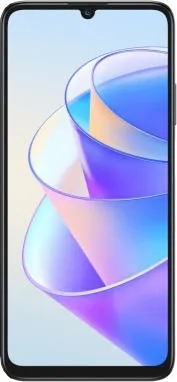
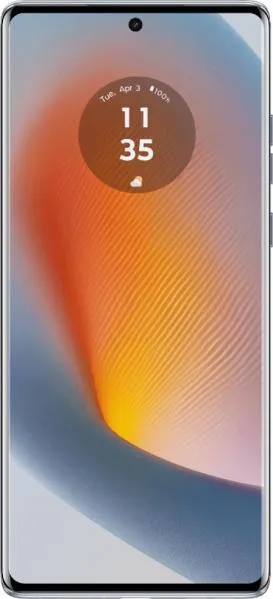
Honor X7a vs. Motorola Edge 50 Fusion: A Deep Dive for the Discerning Smartphone User
The mid-range smartphone arena is fiercely competitive, with manufacturers vying for your attention with compelling features and aggressive pricing. Today, we'll dissect two contenders: the Honor X7a and the Motorola Edge 50 Fusion. We'll go beyond the spec sheet, translating raw numbers into real-world experiences to help you decide which phone fits your lifestyle.
1. Specifications Breakdown
| Feature | Honor X7a | Motorola Edge 50 Fusion | Real-World Implications |
|---|---|---|---|
| Design | |||
| Dimensions (mm) | 167.5 x 76.9 x 8.3 | 161.9 x 73.1 x 7.9 | Fusion is slightly more compact and lighter, enhancing one-handed usability. |
| Weight (g) | 196 | 174.9 | Noticeable difference in hand; Fusion feels less bulky. |
| Display | |||
| Type | TFT LCD | P-OLED | Fusion offers deeper blacks, more vibrant colors, and potentially better power efficiency. |
| Size (inches) | 6.75 | 6.7 | Negligible size difference in practical use. |
| Resolution | 720 x 1600 | 1080 x 2400 | Fusion boasts significantly sharper visuals due to higher pixel density (393 vs. 260 ppi). |
| Refresh Rate | - | 120Hz | Smoother scrolling and animations on the Fusion, enhancing the overall user experience. |
| Performance | |||
| Chipset | Mediatek Helio G37 | Qualcomm Snapdragon 7s Gen 2 | Fusion's processor is considerably more powerful, enabling smoother multitasking and gaming. |
| CPU | Octa-core (4x2.3 GHz & 4x1.7 GHz) | Octa-core (4x2.4 GHz & 4x1.95 GHz) | Fusion offers superior processing speed for demanding tasks. |
| RAM (GB) | 4/6 | 8/12 | More RAM on Fusion allows for seamless app switching and handling of large files. |
| Camera | |||
| Main Camera (MP) | 50 | 50 | Comparable main camera resolution; image quality will depend on sensor and software processing. |
| Selfie Camera (MP) | 8 | 32 | Fusion's selfie camera offers significantly higher resolution for detailed self-portraits. |
| Video Recording | 1080p@30fps | 4K@30fps, 1080p@120fps | Fusion offers superior video recording capabilities with higher resolution and slow-motion options. |
| Battery Life | |||
| Capacity (mAh) | 6000 | 5000 | X7a boasts a larger battery, potentially translating to longer usage time. |
2. Key Insights
The Honor X7a prioritizes battery life with its massive 6000mAh capacity. It’s a budget-friendly option for users who prioritize all-day endurance over raw performance. However, its lower resolution display and less powerful processor are noticeable compromises.
The Motorola Edge 50 Fusion strikes a more balanced approach. It offers a vibrant P-OLED display with a high refresh rate, a significantly faster processor, more RAM, and superior camera capabilities, particularly in video recording and selfies. While its battery is smaller, the power-efficient OLED display might offset this difference in real-world usage.
3. User Profiles and Recommendations
Honor X7a: Ideal for budget-conscious users, light smartphone users who prioritize long battery life, and those primarily using their phones for basic tasks like calling, texting, and social media browsing.
Motorola Edge 50 Fusion: Suited for users seeking a well-rounded experience with a focus on performance, multimedia consumption, gaming, and photography. Its modern features and sleek design make it a compelling option for those who value a premium feel without a flagship price tag.
4. Buying Decision Framework
- What is your budget? The X7a is positioned at a lower price point.
- What are your primary smartphone usage patterns? Heavy users and gamers will appreciate the Fusion's performance. Light users might find the X7a's battery life more appealing.
- Which features are most important to you? Prioritize battery life? Choose the X7a. Prioritize performance, display, and camera quality? Choose the Fusion.
My Choice: I would choose the Motorola Edge 50 Fusion. While the Honor X7a's impressive battery life is tempting, the Fusion's superior performance, vibrant display, and versatile camera system are more aligned with my needs. I value a smooth and responsive user experience, especially for multitasking and media consumption, and I'm willing to sacrifice a bit of battery capacity for that. The Fusion's modern design and feature set make it a more compelling overall package for me. The jump in screen quality alone would make a significant difference in daily use. Furthermore, the much faster processor and increased RAM would future-proof the device better, ensuring a smooth user experience for a longer period.
