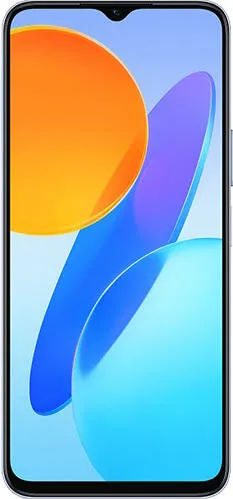
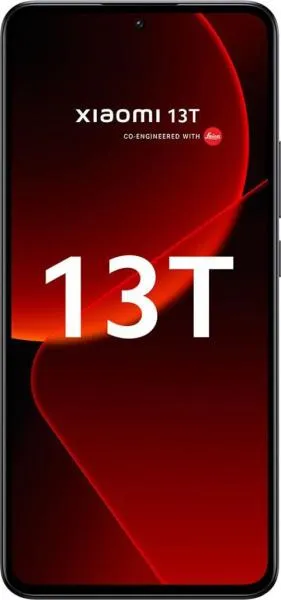
Okay, let's dive into a head-to-head comparison of the Honor X6 and the Xiaomi 13T. I'll be breaking down the specs, translating them into real-world implications, and guiding you toward the phone that best suits your needs.
1. Specifications Breakdown
Here's a detailed look at the specs, presented in a way that highlights what these numbers actually mean for daily use:
| Feature | Honor X6 | Xiaomi 13T | Real-World Implications |
|---|---|---|---|
| Design | |||
| Dimensions | 163.7 x 75.1 x 8.7 mm | 162.2 x 75.7 x 8.5 mm | The Honor X6 is slightly taller by 1.5mm, with a similar width and thickness to the Xiaomi 13T. Both phones should feel reasonably comfortable to hold. |
| Weight | 194g | 193g | Virtually identical weight, so both phones will feel similar in terms of heft. |
| Display | |||
| Size | 6.5" | 6.67" | Xiaomi 13T offers a slightly larger display, providing a more immersive viewing experience. |
| Resolution | 720x1600 | 1220x2712 | Xiaomi 13T has a much sharper display with significantly more pixels. This translates to crisper text and images. |
| Pixel Density (PPI) | 270 | 446 | Xiaomi 13T boasts a higher pixel density, meaning a noticeably clearer and more detailed display. |
| Technology | TFT LCD | AMOLED | Xiaomi 13T's AMOLED panel delivers deeper blacks, richer colors, superior contrast, and is more efficient, especially with dark modes. |
| Refresh Rate | 60Hz | 144Hz | Xiaomi 13T provides dramatically smoother animations and transitions, a noticeable difference when scrolling or gaming. |
| Brightness | 0 nits | 2600 nits | Xiaomi 13T's vastly superior brightness ensures excellent outdoor visibility even in bright sunlight. Honor X6 will struggle outdoors. |
| Performance | |||
| Chipset | Mediatek Helio G25 (12nm) | Mediatek Dimensity 8200 Ultra (4nm) | Xiaomi 13T's chipset is considerably more powerful, translating to faster app loading, smoother multitasking, and better gaming. |
| AnTuTu Score | 100,890 | 905,364 | Xiaomi 13T exhibits dramatically better performance across the board, meaning a faster, more responsive phone in all aspects. |
| GPU | PowerVR GE8320 | Mali-G610 MC6 | Xiaomi 13T's GPU provides significantly better graphics processing for gaming and other demanding tasks. |
| Camera | |||
| Main Camera | 50MP, f/1.8 | 50MP, f/1.9, 1/1.28" Sensor | Xiaomi 13T has a slightly smaller aperture but a larger sensor size and more advanced sensor. Expect it to capture more detailed photos, especially in lower light. |
| Telephoto Camera | N/A | 50MP, f/1.9, 1/2.88" Sensor | Xiaomi 13T provides optical zoom, a clear advantage for zoomed shots and portraits. The Honor X6 has no dedicated telephoto lens. |
| Wide Angle Camera | N/A | 13MP, f/2.2, 1/3.06" Sensor | Xiaomi 13T's wide-angle lens allows for more flexible composition when shooting, while the Honor X6 lacks this feature. |
| Selfie Camera | 5MP, f/2.2 | 20MP, f/2.2, 1/2" Sensor | Xiaomi 13T's front-facing camera captures significantly more detail, resulting in much better selfies and video calls. |
| Depth Camera | 2MP, f/2.4 | N/A | Honor X6 offers a dedicated depth sensor which can enhance bokeh in portrait shots but isn't a game-changer compared to what software can do. |
| Macro Camera | 2MP, f/2.4 | N/A | Honor X6 has a dedicated macro camera for very close-up photos, but this isn't a standout feature on a budget phone. |
| Video Recording | 1080p@30fps | 4K@30fps, 1080p@120fps, HDR, EIS | Xiaomi 13T offers higher resolution and a greater range of recording options, including much better slow-motion and image stabilization. |
| DxOMark Scores | N/A | Main: 123, Photo: 121, Video: 132 | Xiaomi 13T has been tested and rated quite well, indicating a good camera experience. The Honor X6 hasn't been tested. |
| Camera Features | Basic set | Advanced set | Xiaomi 13T boasts advanced features such as cinematic mode, optical zoom, and optical image stabilization (OIS) for better overall camera experience. |
| Battery Life | |||
| Capacity | 5000mAh | 5000mAh | Both devices have a similar battery capacity, suggesting comparable battery life for basic tasks. |
| Charging | 10W | 67W | Xiaomi 13T's fast charging is a significant advantage, allowing for much faster top-ups compared to the slow charging of the Honor X6. |
| Software | |||
| OS | Android 12 | Android 13 | Xiaomi 13T comes with a more recent OS and is poised to receive updates longer than the Honor X6. |
| Connectivity | |||
| WiFi | 802.11 a/b/g/n/ac | 802.11 a/b/g/n/ac/ax/be | Xiaomi 13T supports newer WiFi standards, for faster data transfers and lower latency, especially important for gaming. |
| Bluetooth | 5.1 | 5.3 | Xiaomi 13T uses a more recent version of Bluetooth with potentially improved connectivity and range. |
| GPS | GPS, A-GPS, GLONASS, Beidou, Galileo | GPS, A-GPS, GLONASS, Beidou, QZSS, Galileo, GPS (L1+L5), GLONASS (L1), BeiDou (B1), Galileo (E1+E5a), BeiDou (B2), NavIC System, QZSS (L1 + L5) | Xiaomi 13T supports more satellite systems, translating to more reliable and accurate positioning. |
| SIM | Dual SIM (Nano) | Dual SIM (Nano/eSIM) | Xiaomi 13T's eSIM option adds flexibility for international travelers. |
| Storage | |||
| Internal Storage | 64GB/128GB | 256GB/512GB | Xiaomi 13T has much more internal storage, especially important if you take a lot of pictures and videos. |
| RAM | 4GB | 8GB/12GB | Xiaomi 13T offers substantially more RAM for much smoother multitasking and a better overall experience. |
| Expandable Storage | No | No | Neither phone offers expandable storage. |
| Audio | |||
| Audio Quality | Basic Audio | Dolby Atmos, Hi-Res, Stereo speakers, 2 mics | Xiaomi 13T provides a much better audio experience, with immersive spatial audio and stereo speakers. |
| Security | |||
| Fingerprint Sensor | Side-mounted | Basic | The side-mounted fingerprint sensor on the Honor X6 is generally quicker to access than a rear-mounted sensor. |
| Build Quality | |||
| Screen Protection | Unknown | Corning Gorilla Glass 5 | Xiaomi 13T has much better screen protection than the Honor X6. |
| Sensors | Biometric: Fingerprint; Proximity: Proximity; Motion: Accelerometer, Compass | Biometric: Fingerprint, Heart Rate; Motion: Accelerometer, Compass, Gyroscope, Magnetometer; Proximity: Ultrasonic proximity virtual | Xiaomi 13T has additional sensors, including a gyroscope, heart rate sensor, and magnetometer, for better functionality in gaming and health applications. |
2. Key Insights
Honor X6:
- Strengths: The Honor X6 is a budget-friendly option with a large battery and a basic camera setup that gets the job done for simple social media shares. It's good for users who need a reliable device for calls, texts, and some social media, without demanding a premium experience.
- Competitive Advantages: Its main advantage is its low price and good battery capacity. It is good for those who want a basic phone that handles calls and texts without breaking the bank.
- Limitations: The Honor X6 struggles in performance and display quality compared to most modern phones. It also has very slow charging.
Xiaomi 13T:
- Strengths: The Xiaomi 13T shines in performance, display quality, camera capabilities, and fast charging, offering a premium mid-range experience. It is a well rounded phone with a great balance between performance and price.
- Competitive Advantages: Its key advantages include a vibrant and smooth AMOLED display, powerful processing, a versatile camera system, and lightning-fast charging.
- Limitations: The Xiaomi 13T lacks expandable storage, and while it comes with a generous amount of built-in storage, users with large libraries of media may be constrained.
3. User Profiles and Recommendations
Honor X6:
- Best For:
- Budget-conscious users who primarily need a phone for basic communication and some light social media browsing.
- Individuals who prioritize battery life over top-tier performance and display quality.
- Those who need a reliable, low-cost smartphone as a backup or for basic tasks.
- Use Cases:
- Daily driver for calls, texts, and casual internet browsing.
- Backup phone for emergencies.
- Phone for basic social media sharing.
Xiaomi 13T:
- Best For:
- Users who want a premium smartphone experience at a mid-range price.
- Gamers and content creators who value powerful performance and a high-quality display.
- Photography enthusiasts who appreciate a versatile and capable camera system.
- Those who want a phone that offers great video quality and fast charging.
- Use Cases:
- High-performance gaming and multitasking.
- Creating and consuming high-quality multimedia content.
- Capturing high-resolution photos and videos.
- Enjoying fast charging when on the go.
4. Buying Decision Framework
Here are three questions to help you decide:
- How important is display quality to you? If you value vibrant colors, smooth animations, and good outdoor visibility, the Xiaomi 13T is the clear choice. If you don't care much about that and are more focused on other features like battery life and price, the Honor X6 could be enough for you.
- What is your budget? The Honor X6 is a budget phone, while the Xiaomi 13T is a mid-range one. If you are on a tight budget, you might have to sacrifice performance, screen quality, and camera experience. If you can afford a higher price, it is almost guaranteed that the Xiaomi 13T is the better pick.
- What do you use your phone for the most? If you mostly use your phone for casual browsing and communication and you are on a tight budget, the Honor X6 is a more cost effective solution. However, if you like gaming, taking pictures, or enjoying quality video, the Xiaomi 13T is the way to go.
Scenario-Based Recommendations:
- Scenario 1: Budget-Conscious User: If you're strictly on a budget and need a basic phone for calls, texts, and some light social media, the Honor X6 will suffice, though it may feel a bit sluggish compared to most modern phones.
- Scenario 2: Casual User with More Budget: If you have some more budget and want a smooth, well-rounded experience for daily use, the Xiaomi 13T is a great pick, providing a premium experience with all the features you would expect from a modern smartphone.
- Scenario 3: Mobile Gamer or Content Creator: If you prioritize performance, display, and camera quality, the Xiaomi 13T is the better choice. It will provide a much better experience and be more future-proof than the Honor X6.
Final Thoughts: Which One Would I Choose?
If I were buying a phone today, I would choose the Xiaomi 13T, hands down. While the Honor X6 might appeal to the most budget-conscious buyer, the gap in performance and feature set between the two is significant. The Xiaomi 13T is a much more complete package.
The superior AMOLED display, the vastly improved chipset, the fast charging capabilities, and the significantly better camera system on the Xiaomi 13T make it a worthwhile investment. The experience of using the phone daily will be much better than with the Honor X6, and it will definitely last you longer without becoming obsolete. The smoother animations, quicker app loading times, and vastly improved video quality and camera performance would be significant enhancements. While both phones have a similar battery capacity, the Xiaomi 13T's vastly faster charging capability would reduce the hassle of having to wait long for it to power back up. In essence, the Xiaomi 13T provides an experience that's on a completely different level.
