1. Specifications Comparison
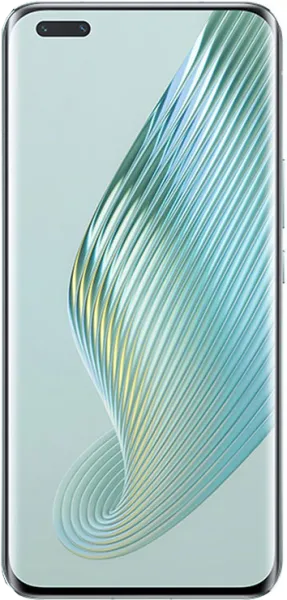
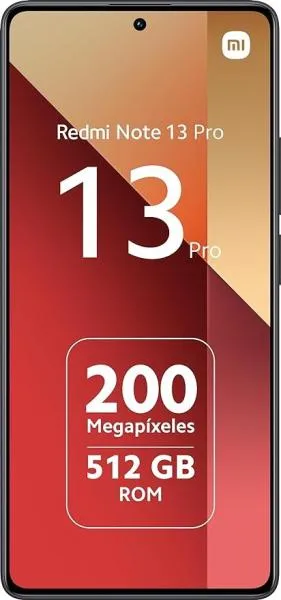
| Feature | Honor Magic5 Pro | Xiaomi Redmi Note 13 Pro 4G | Practical Impact |
|---|---|---|---|
| Design | |||
| Dimensions (mm) | 162.9 x 76.7 x 8.8 | 161.1 x 75 x 8 | Magic5 Pro slightly taller and wider. Negligible difference in thickness. |
| Weight (g) | 219 | 188 | Redmi Note 13 Pro noticeably lighter, more comfortable for extended use. |
| Display | |||
| Display Type | LTPO OLED | AMOLED | Magic5 Pro's LTPO panel allows for dynamic refresh rate adjustment (1-120Hz), saving battery. Both offer vibrant colors and deep blacks. |
| Display Size (inches) | 6.81 | 6.67 | Magic5 Pro slightly larger, providing more immersive content consumption. |
| Resolution | 1312 x 2848 | 1080 x 2400 | Significantly sharper and more detailed visuals on the Magic5 Pro due to higher pixel density (460 ppi vs 395 ppi). |
| Refresh Rate (Hz) | 120 | 120 | Both offer smooth scrolling and animations. |
| Peak Brightness (nits) | 1800 | 1300 | Magic5 Pro significantly brighter, ensuring better visibility outdoors. |
| Performance | |||
| Chipset | Snapdragon 8 Gen 2 | MediaTek Helio G99 Ultra | Magic5 Pro vastly more powerful, enabling demanding gaming, multitasking, and faster app loading. |
| CPU | Octa-core (1x3.2 GHz Cortex-X3 & 2x2.8 GHz Cortex-A715 & 2x2.8 GHz Cortex-A710 & 3x2.0 GHz Cortex-A510) | Octa-core (2x2.2 GHz Cortex-A76 & 6x2.0 GHz Cortex-A55) | Magic5 Pro's CPU architecture significantly more powerful and efficient. |
| GPU | Adreno 740 | Mali-G57 MC2 | Magic5 Pro offers a substantial leap in graphics performance, crucial for high-end gaming. |
| RAM (GB) | 12 | 8 | More RAM in the Magic5 Pro allows for smoother multitasking and keeping more apps open in the background. |
| Camera | |||
| Main Camera (MP) | 50 | 200 | While Redmi has higher resolution, Magic5 Pro utilizes a larger sensor (1/1.12") and wider aperture (f/1.6), potentially capturing more light and detail, especially in low light. DXOMark scores confirm Magic5 Pro's superior camera performance. |
| Video Recording | Up to 4K@60fps with HDR, EIS | Up to 1080p@60fps | Magic5 Pro capable of higher resolution and frame rate video recording with HDR. |
| Battery | |||
| Capacity (mAh) | 5100 | 5000 | Negligible difference in battery capacity. |
| Fast Charging (W) | 66 | 67 | Almost identical fast charging speeds. |
| Wireless Charging | 50W | Not Supported | Magic5 Pro supports fast wireless charging, adding convenience. |
2. Key Differences Analysis
Honor Magic5 Pro Advantages:
- Significantly superior performance: Snapdragon 8 Gen 2 offers a substantial advantage in processing power and graphics rendering.
- Brighter and sharper display: LTPO OLED with higher resolution and peak brightness provides a more immersive and enjoyable viewing experience.
- Superior Camera System: Despite lower megapixel count on the main sensor, larger sensor size, wider aperture, and proven DXOMark scores point to better image quality. Superior video recording capabilities.
- Wireless Charging: Offers convenient charging option.
- Wi-Fi 7 support: Future-proofs the device for faster wireless speeds.
Xiaomi Redmi Note 13 Pro 4G Advantages:
- Lighter and potentially more comfortable to hold.
- Lower price: Offers a more budget-friendly option.
3. User Profiles & Recommendations
Honor Magic5 Pro: Users who prioritize performance, a premium display, excellent camera quality, and the latest technology. Ideal for demanding tasks like gaming, video editing, and professional photography/videography.
Xiaomi Redmi Note 13 Pro 4G: Budget-conscious users who prioritize basic smartphone functionality, a large display, and long battery life. Suitable for everyday tasks like web browsing, social media, and casual photography.
4. Decision Framework
Key Questions for Buyers:
- What is your budget? The Magic5 Pro is significantly more expensive.
- What are your performance requirements? For demanding tasks, the Magic5 Pro is essential.
- How important are camera quality and features? The Magic5 Pro offers a clear advantage in this area.
My Choice: Honor Magic5 Pro
While the Redmi Note 13 Pro 4G offers a compelling price point, the Honor Magic5 Pro is the clear winner for me. The superior performance of the Snapdragon 8 Gen 2, coupled with the stunning display, excellent camera system (validated by DXOMark), and features like wireless charging, makes it a much more compelling device. The price difference is justified by the significant leap in overall quality and user experience. The future-proofing offered by Wi-Fi 7 support also adds to its long-term value. While I appreciate the lighter weight of the Redmi, the performance and feature advantages of the Magic5 Pro outweigh this benefit for my personal needs.
