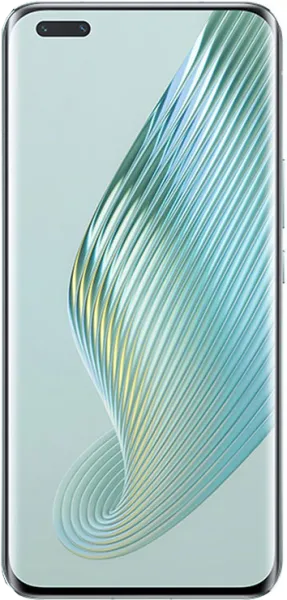
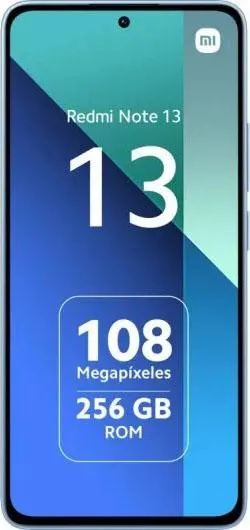
1. Specifications Comparison
| Feature | Honor Magic5 Pro | Xiaomi Redmi Note 13 4G | Practical Impact |
|---|---|---|---|
| Design | |||
| Dimensions (mm) | 162.9 x 76.7 x 8.8 | 162.3 x 75.6 x 8.0 | Virtually identical in size and feel. |
| Weight (g) | 219 | 188.5 | Redmi is noticeably lighter, reducing hand fatigue during extended use. |
| Build | Not specified | Not specified | Build quality and materials unknown, impacting durability and premium feel. |
| Display | |||
| Display Type | LTPO OLED | AMOLED | Magic5 Pro's LTPO panel allows for dynamic refresh rate adjustment, saving battery. Both offer vibrant colors and deep blacks. |
| Display Size (inches) | 6.81 | 6.67 | Negligible difference in screen real estate. |
| Resolution | 1312 x 2848 | 1080 x 2400 | Significantly sharper and more detailed visuals on the Magic5 Pro, especially noticeable for text and images. |
| Refresh Rate (Hz) | 120 | 120 | Both offer smooth scrolling and animations. |
| Peak Brightness (nits) | 1800 | 1800 | Both should be easily viewable in direct sunlight. |
| Performance | |||
| Chipset | Snapdragon 8 Gen 2 | Snapdragon 685 | Magic5 Pro boasts significantly faster CPU and GPU, resulting in much smoother performance for demanding tasks and gaming. |
| CPU | Octa-core (1x3.2 GHz Cortex-X3 & 2x2.8 GHz Cortex-A715 & 2x2.8 GHz Cortex-A710 & 3x2.0 GHz Cortex-A510) | Octa-core (4x2.8 GHz Cortex-A73 & 4x1.9 GHz Cortex-A53) | Magic5 Pro's more modern and powerful CPU architecture provides a substantial performance advantage. |
| RAM (GB) | 12 | 8 | More RAM in the Magic5 Pro allows for smoother multitasking and app switching. |
| Camera | |||
| Main Camera (MP) | 50 | 108 | While Redmi boasts higher megapixels, Magic5 Pro's larger sensor and wider aperture (f/1.6 vs f/1.7) likely result in better low-light performance and depth of field. DxOMark scores confirm Magic5 Pro's superior camera performance (152 vs 75). |
| Ultrawide (MP) | 50 | 8 | Magic5 Pro's ultrawide offers much higher resolution. |
| Telephoto (MP) | 50 | None | Magic5 Pro offers optical zoom capabilities, absent in the Redmi. |
| Video Recording | Up to 4K@60fps with HDR, EIS | Up to 1080p@30fps | Magic5 Pro provides significantly better video quality and stabilization. |
| Battery | |||
| Capacity (mAh) | 5100 | 5000 | Negligible difference in battery capacity. |
| Fast Charging (W) | 66 | 33 | Magic5 Pro charges significantly faster. |
| Wireless Charging | 50W | None | Magic5 Pro supports fast wireless charging, Redmi does not. |
2. Key Differences Analysis
Honor Magic5 Pro Advantages:
- Flagship Performance: Significantly faster processor, more RAM, resulting in a smoother and more responsive experience for demanding tasks and gaming.
- Superior Camera System: Higher quality sensors, wider apertures, optical zoom, and superior image processing lead to better photos and videos in various conditions.
- Faster Charging and Wireless Charging: Significantly faster wired charging and the inclusion of wireless charging provide greater convenience.
- LTPO Display: More power efficient display due to dynamic refresh rate adjustment.
Xiaomi Redmi Note 13 4G Advantages:
- Lighter Weight: Noticeably lighter, making it more comfortable for extended use.
- Lower Price: Significantly more affordable.
3. User Profiles & Recommendations
Honor Magic5 Pro: Ideal for users who prioritize performance, camera quality, a premium display, and fast charging. Suitable for demanding tasks, gaming, mobile photography, and content creation.
Xiaomi Redmi Note 13 4G: Best suited for budget-conscious users who prioritize basic functionality, a large screen, and all-day battery life. Suitable for everyday tasks like web browsing, social media, and light gaming.
4. Decision Framework
Key Questions for Buyers:
- What is your budget? The Magic5 Pro is significantly more expensive.
- What are your performance needs? If you need a phone for demanding tasks or gaming, the Magic5 Pro is the clear winner.
- How important is camera quality? The Magic5 Pro offers a substantially better camera system.
My Choice: Honor Magic5 Pro
While the Redmi Note 13 4G offers excellent value for its price, the Honor Magic5 Pro is the superior device overall. The significant difference in performance, camera quality, charging speed, and the inclusion of wireless charging justify the higher price for me. I prioritize a smooth and responsive user experience, excellent photography capabilities, and the convenience of fast and wireless charging. The Redmi Note 13 4G's lighter weight is appealing, but the Magic5 Pro's advantages in key areas outweigh this single benefit. The superior DxOMark scores for both the main camera and selfie camera solidify my decision, highlighting the real-world difference in image quality.
