
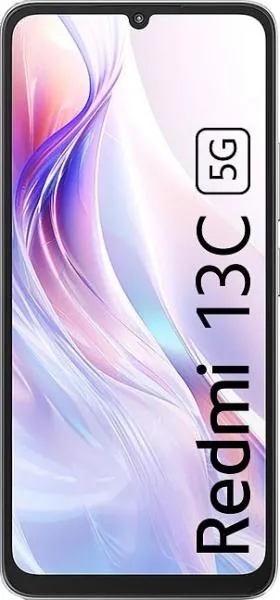
1. Specifications Comparison
| Feature | Honor Magic5 Pro | Xiaomi Redmi 13C 5G | Practical Impact |
|---|---|---|---|
| Design | |||
| Dimensions (mm) | 162.9 x 76.7 x 8.8 | 168 x 78 x 8.1 | Magic5 Pro is slightly smaller and thinner. |
| Weight (g) | 219 | 192 | Redmi 13C 5G is noticeably lighter. |
| Build | Build materials not specified for either phone, limiting comparison. | ||
| Display | |||
| Display Type | LTPO OLED | IPS LCD | Magic5 Pro offers superior contrast, deeper blacks, and potentially better power efficiency due to LTPO. |
| Size (inches) | 6.81 | 6.74 | Negligible size difference. |
| Resolution | 1312 x 2848 | 720 x 1600 | Significantly sharper and more detailed visuals on the Magic5 Pro. Redmi's lower resolution will result in pixelation. |
| Refresh Rate (Hz) | 120 | 90 | Smoother animations and scrolling on the Magic5 Pro. |
| Peak Brightness (nits) | 1800 | 600 (HBM) | Magic5 Pro will be much more visible in direct sunlight. |
| Performance | |||
| Chipset | Snapdragon 8 Gen 2 | Dimensity 6100+ | Magic5 Pro boasts a flagship-level processor, ensuring significantly faster performance and better gaming capabilities. |
| CPU | Octa-core (1x3.2 GHz Cortex-X3 & 2x2.8 GHz Cortex-A715 & 2x2.8 GHz Cortex-A710 & 3x2.0 GHz Cortex-A510) | Octa-core (2x2.2 GHz Cortex-A76 & 6x2.0 GHz Cortex-A55) | Magic5 Pro's CPU architecture is more powerful and efficient. |
| GPU | Adreno 740 | Mali-G57 MC2 | Magic5 Pro offers a substantially more powerful GPU for demanding gaming and graphics processing. |
| RAM (GB) | 12 | 6 | More RAM in the Magic5 Pro allows for smoother multitasking and less frequent app reloading. |
| Camera | |||
| Rear Camera | 50MP Main, 50MP Wide, 50MP Telephoto | 50MP Main, 0.8MP (likely depth sensor) | Magic5 Pro offers a vastly superior camera system with a dedicated telephoto lens and higher resolution sensors. Redmi's secondary camera is likely just a depth sensor with limited practical use. |
| Selfie Camera | 12MP | 5MP | Higher resolution selfie camera on the Magic5 Pro. |
| Video Recording | Up to 4K@60fps with HDR, EIS | 1080p@30fps | Magic5 Pro offers significantly better video recording capabilities with higher resolution and frame rates. |
| Battery | |||
| Capacity (mAh) | 5100 | 5000 | Negligible difference in battery capacity. |
| Fast Charging | 66W | 18W | Magic5 Pro charges significantly faster. |
| Wireless Charging | 50W | Not Supported | Magic5 Pro supports fast wireless charging. |
2. Key Differences Analysis
Honor Magic5 Pro Advantages:
- Flagship Performance: Significantly faster processor, GPU, and more RAM for demanding tasks and gaming.
- Superior Display: Higher resolution, refresh rate, and OLED technology provide a much better visual experience.
- Versatile Camera System: Triple 50MP camera system with telephoto lens offers excellent photo and video quality.
- Faster Charging: 66W wired and 50W wireless charging significantly reduce downtime.
Xiaomi Redmi 13C 5G Advantages:
- Lower Price: Significantly more affordable.
- Lighter Weight: More comfortable for extended use.
3. User Profiles & Recommendations
Honor Magic5 Pro: Ideal for users who prioritize performance, display quality, camera capabilities, and fast charging. Suitable for demanding tasks, gaming, content creation, and photography enthusiasts.
Xiaomi Redmi 13C 5G: Best suited for budget-conscious users who primarily use their phone for basic tasks like calling, texting, browsing, and social media. Not recommended for demanding applications or photography enthusiasts.
4. Decision Framework
Key Questions for Buyers:
- What is your budget? The Redmi 13C 5G is significantly cheaper.
- What are your primary phone usage patterns? For basic tasks, the Redmi might suffice. For demanding tasks, the Magic5 Pro is necessary.
- How important are camera quality and display to you? The Magic5 Pro significantly outperforms the Redmi in these areas.
My Choice: Honor Magic5 Pro
While the Redmi 13C 5G offers an attractive price point, the Honor Magic5 Pro's significant advantages in performance, display, camera, and charging make it the clear winner for me. The superior user experience offered by the Magic5 Pro justifies the higher price, especially for long-term usage. I prioritize a smooth and responsive phone with a great camera and display, and the Magic5 Pro delivers on all fronts. The Redmi 13C 5G is a decent budget option, but the compromises in key areas are too significant for my personal preferences.
