1. Specifications Comparison
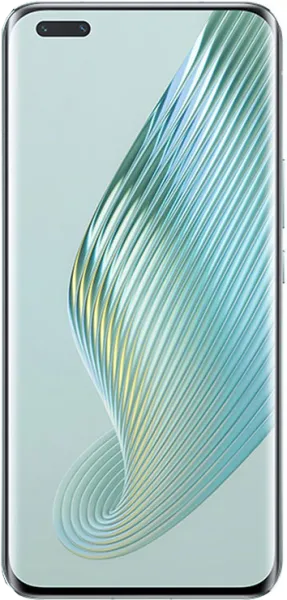
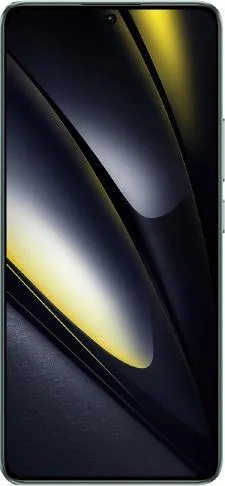
| Feature | Honor Magic5 Pro | Xiaomi Poco F6 | Practical Impact |
|---|---|---|---|
| Design | |||
| Dimensions (mm) | 162.9 x 76.7 x 8.8 | 160.5 x 74.5 x 8.0 | Poco F6 is slightly smaller and lighter. |
| Weight (g) | 219 | 179 | Noticeably lighter feel in hand for the Poco F6, improving one-handed use. |
| Display | |||
| Display Type | LTPO OLED | AMOLED | Both offer excellent contrast and vibrant colors, but LTPO allows for dynamic refresh rate adjustment, saving battery on the Magic5 Pro. |
| Display Size (inches) | 6.81 | 6.67 | Negligible difference in screen real-estate. |
| Resolution | 1312 x 2848 | 1220 x 2712 | Sharper, more detailed image on the Magic5 Pro due to higher pixel density. |
| Refresh Rate (Hz) | 120 | 120 | Both offer smooth scrolling and animations. |
| Peak Brightness (nits) | 1800 | 2400 | Poco F6 can get significantly brighter, improving outdoor visibility. |
| Performance | |||
| Chipset | Snapdragon 8 Gen 2 | Snapdragon 8s Gen 3 | Gen 2 offers a performance advantage in demanding tasks and gaming on the Magic5 Pro. |
| CPU | Octa-core (1x3.2 GHz Cortex-X3 & 2x2.8 GHz Cortex-A715 & 2x2.8 GHz Cortex-A710 & 3x2.0 GHz Cortex-A510) | Octa-core (1x3.0 GHz Cortex-X4 & 4x2.8 GHz Cortex-A720 & 3x2.0 GHz Cortex-A520) | Magic5 Pro likely has a slight edge in CPU performance due to the newer core architecture. |
| GPU | Adreno 740 | Adreno 735 | Magic5 Pro will likely have better graphics performance. |
| RAM (GB) | 12 | 12 (in one variant) | Sufficient RAM for multitasking on both; however, the Poco F6 has an 8GB variant which may limit multitasking for power users. |
| Camera | |||
| Main Camera (MP) | 50 | 50 | Comparable main camera resolution. Image quality will depend on sensor and processing. |
| Ultrawide (MP) | 50 | 8 | Significantly wider field of view and higher resolution on the Magic5 Pro's ultrawide. |
| Telephoto (MP) | 50 | None | Magic5 Pro offers optical zoom capabilities missing on the Poco F6. |
| Battery | |||
| Capacity (mAh) | 5100 | 5000 | Negligible difference in battery capacity. |
| Fast Charging (W) | 66 | 90 | Poco F6 charges significantly faster. |
| Wireless Charging | 50W | None | Magic5 Pro supports fast wireless charging. |
2. Key Differences Analysis
Honor Magic5 Pro Advantages:
- Superior Display: LTPO panel allows for dynamic refresh rate, saving battery. Higher resolution for sharper visuals.
- More Powerful Chipset: Snapdragon 8 Gen 2 offers better performance for demanding tasks and gaming.
- More Versatile Camera System: Includes a high-resolution ultrawide and a telephoto lens for optical zoom, absent in the Poco F6.
- Wireless Charging: Offers convenient wireless charging.
Xiaomi Poco F6 Advantages:
- Lighter and More Compact: Noticeably lighter and slightly smaller, improving handling.
- Faster Wired Charging: 90W fast charging significantly reduces charging time.
- Brighter Display: Peak brightness of 2400 nits ensures excellent outdoor visibility.
- Lower Price: Generally more affordable than the Magic5 Pro.
3. User Profiles & Recommendations
Honor Magic5 Pro: Ideal for users who prioritize a premium display, top-tier performance, a versatile camera system, and the convenience of wireless charging. Suitable for power users, mobile photographers, and content creators.
Xiaomi Poco F6: Best suited for budget-conscious users who value a lightweight and fast-charging phone with a bright display. Good for everyday users, social media enthusiasts, and light gamers. The 8GB RAM variant might not be suitable for heavy multitaskers.
4. Decision Framework
Key Questions for Buyers:
- What is your budget? The Poco F6 offers excellent value for its price.
- What are your photography needs? The Magic5 Pro's superior camera system is a deciding factor for photography enthusiasts.
- How important is battery life and charging speed? While both have similar battery capacities, the Magic5 Pro benefits from LTPO and the Poco F6 boasts faster wired charging.
My Choice: Honor Magic5 Pro
While the Poco F6 offers incredible value, the Honor Magic5 Pro is the better overall device for my needs. The superior camera system with a dedicated telephoto lens, the more powerful Snapdragon 8 Gen 2 processor, and the LTPO OLED display are significant advantages. I prioritize performance, camera quality, and battery efficiency over slightly faster wired charging and a lighter build. The inclusion of wireless charging is a bonus. While the price difference is notable, the Magic5 Pro offers a more premium and future-proof experience.
