1. Specifications Comparison
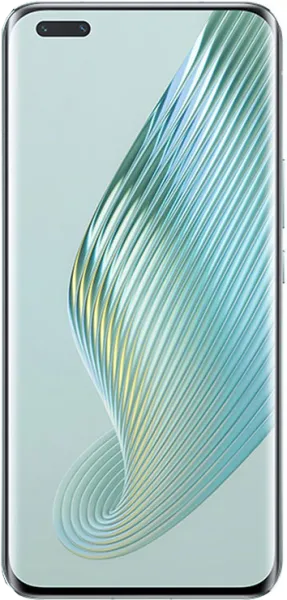
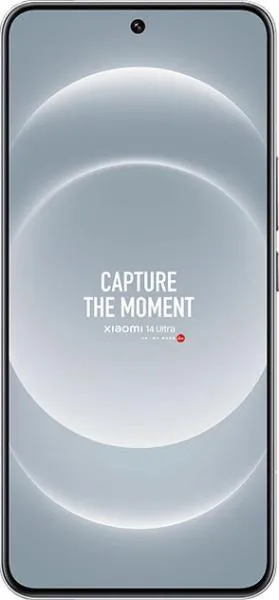
| Feature | Honor Magic5 Pro | Xiaomi 14 Ultra | Practical Impact |
|---|---|---|---|
| Design | |||
| Dimensions (mm) | 162.9 x 76.7 x 8.8 | 161.4 x 75.3 x 9.2 | Xiaomi 14 Ultra is slightly shorter and narrower but thicker. Negligible difference in hand feel for most users. |
| Weight (g) | 219 | 229.5 | Xiaomi 14 Ultra is noticeably heavier (10.5g). May impact comfort during extended use. |
| Display | |||
| Size (inches) | 6.81 | 6.73 | Negligible size difference. |
| Resolution (pixels) | 1312 x 2848 | 1440 x 3200 | Xiaomi 14 Ultra has a slightly higher resolution, leading to sharper text and images. Difference may be subtle in everyday use. |
| Panel Type | LTPO OLED | LTPO AMOLED | Both offer excellent black levels and vibrant colors. AMOLED generally consumes slightly less power. |
| Peak Brightness (nits) | 1800 | 3000 | Xiaomi 14 Ultra's significantly higher peak brightness ensures superior outdoor visibility. |
| Refresh Rate (Hz) | 120 | 120 | Both offer smooth scrolling and animations. |
| Color Depth | 1B | 68B | Xiaomi 14 Ultra supports a wider color gamut, offering more accurate and nuanced color reproduction for professional content creators. |
| Performance | |||
| Chipset | Snapdragon 8 Gen 2 | Snapdragon 8 Gen 3 | Xiaomi 14 Ultra features a newer, more powerful processor, resulting in faster performance, improved efficiency, and better AI capabilities. |
| CPU | Octa-core (1x3.2 GHz Cortex-X3...) | Octa-core (1x3.3 GHz Cortex-X4...) | Xiaomi 14 Ultra has a more advanced CPU architecture, offering noticeable performance gains in demanding tasks and multitasking. |
| GPU | Adreno 740 | Adreno 750 | Xiaomi 14 Ultra has a more powerful GPU, beneficial for gaming and graphically intensive applications. |
| RAM (GB) | 12 | 16 | Xiaomi 14 Ultra offers more RAM, enabling smoother multitasking and handling of demanding applications. |
| Camera | |||
| Main Camera (MP) | 50 | 50 | Both have high-resolution sensors. Image quality will depend more on processing and lens quality. |
| Sensor Size | 1/1.12" | 1" | Xiaomi 14 Ultra's larger main sensor captures more light, resulting in better low-light performance and depth of field. |
| Video Recording | Up to 4K@60fps | Up to 8K@30fps | Xiaomi 14 Ultra supports higher resolution video recording. |
| Battery | |||
| Capacity (mAh) | 5100 | 5000 | Negligible difference in battery capacity. Real-world battery life will depend on usage patterns and software optimization. |
| Fast Charging (W) | 66 | 90 | Xiaomi 14 Ultra offers significantly faster wired charging. |
| Wireless Charging (W) | 50 | 80 | Xiaomi 14 Ultra offers significantly faster wireless charging. |
2. Key Differences Analysis
Xiaomi 14 Ultra Advantages:
- Superior Performance: Newer and more powerful chipset (Snapdragon 8 Gen 3), more RAM (16GB), and faster GPU. This translates to smoother multitasking, faster app loading, better gaming performance, and enhanced AI capabilities.
- Brighter Display: Significantly brighter display for better outdoor readability.
- Faster Charging: Faster wired and wireless charging significantly reduces downtime.
- Improved Camera: Larger main sensor, higher resolution video recording (8K), and more advanced camera features. Delivers better low-light performance and more detailed videos.
Honor Magic5 Pro Advantages:
- Lighter Weight: Noticeably lighter, potentially more comfortable for extended use.
- Lower Price: Generally more affordable than the Xiaomi 14 Ultra.
3. User Profiles & Recommendations
Xiaomi 14 Ultra: Ideal for power users, mobile gamers, content creators, and those who prioritize performance, camera quality, and fast charging.
Honor Magic5 Pro: Suitable for users seeking a balance between performance, features, and price. A good option for those who prioritize a lighter phone.
4. Decision Framework
Key Questions for Buyers:
- What is your budget? The Xiaomi 14 Ultra is significantly more expensive.
- What are your primary use cases? Gaming, photography/videography, or general everyday use?
- How important is fast charging and bright outdoor visibility?
Scenario-Based Recommendations:
- Heavy gamer/content creator with a flexible budget: Xiaomi 14 Ultra
- Everyday user seeking a balance of features and affordability: Honor Magic5 Pro
My Choice: Xiaomi 14 Ultra
While the Honor Magic5 Pro is a compelling option, especially considering its lower price, I would choose the Xiaomi 14 Ultra. The significant advancements in performance (Snapdragon 8 Gen 3, 16GB RAM), the vastly superior display brightness, faster charging speeds, and improvements in camera hardware, specifically the larger sensor size for improved low-light performance, are decisive factors for me. These features justify the higher price tag for a power user like myself who values cutting-edge technology and a premium mobile experience. The slightly heavier weight is a trade-off I'm willing to accept for the substantial gains in other areas.
