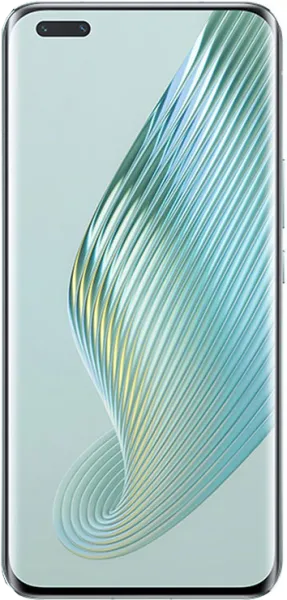

1. Specifications Comparison
| Feature | Honor Magic5 Pro | Huawei P60 Pro | Practical Impact |
|---|---|---|---|
| Design | |||
| Dimensions (mm) | 162.9 x 76.7 x 8.8 | 161 x 74.5 x 8.3 | P60 Pro slightly smaller and thinner |
| Weight (g) | 219 | 200 | P60 Pro noticeably lighter, improving one-handed use |
| Display | |||
| Size (inches) | 6.81 | 6.67 | Magic5 Pro slightly larger screen |
| Resolution (px) | 1312 x 2848 | 1220 x 2700 | Magic5 Pro sharper due to higher pixel density (460 vs 444 ppi) |
| Refresh Rate (Hz) | 120 | 120 | Both offer smooth scrolling and animations |
| Display Type | LTPO OLED | LTPO OLED | Both offer excellent color accuracy and power efficiency |
| Peak Brightness (nits) | 1800 | Not specified | Magic5 Pro likely brighter in direct sunlight; information lacking for P60 Pro |
| Performance | |||
| Chipset | Snapdragon 8 Gen 2 | Snapdragon 8+ Gen 1 4G | Magic5 Pro has a newer, more powerful and efficient chip |
| CPU | Octa-core (1x3.2 GHz Cortex-X3 & 2x2.8 GHz Cortex-A715 & 2x2.8 GHz Cortex-A710 & 3x2.0 GHz Cortex-A510) | Octa-core (1x3.19 GHz Cortex-X2 & 3x2.75 GHz Cortex-A710 & 4x2.0 GHz Cortex-A510) | Magic5 Pro's CPU offers performance gains in demanding tasks and multitasking |
| GPU | Adreno 740 | Adreno 730 | Magic5 Pro likely offers better gaming and graphics performance |
| RAM (GB) | 12 | 8/12 (Variant Dependent) | More RAM in certain Magic5 Pro versions can enhance multitasking |
| Camera | |||
| Rear Cameras | 50MP Main, 50MP Wide, 50MP Telephoto | 48MP Main (Variable Aperture), 13MP Wide, 48MP Telephoto | Both have versatile camera systems; P60 Pro boasts variable aperture for main lens, offering greater control over depth of field |
| Front Camera | 12MP | 32MP | P60 Pro has a significantly higher resolution selfie camera |
| DxOMark Score | 152 | 156 | P60 Pro scores higher overall in DxOMark, suggesting better image quality, particularly in photography. |
| Battery | |||
| Capacity (mAh) | 5100 | 4815 | Magic5 Pro has a larger battery, potentially offering longer battery life |
| Fast Charging (W) | 66 | 88 | P60 Pro charges significantly faster |
2. Key Differences Analysis
Honor Magic5 Pro Advantages:
- Newer, more powerful chipset: Resulting in smoother performance, better gaming, and improved power efficiency.
- Sharper display: Higher resolution leads to a more detailed viewing experience.
- Larger battery: Potentially longer usage time between charges.
- WiFi 7: Offers significantly faster wireless speeds and lower latency compared to WiFi 6E.
Huawei P60 Pro Advantages:
- Higher DxOMark scores: Suggesting superior camera performance overall.
- Faster charging: Significantly reduces charging time.
- Variable aperture: Allows for more creative control over depth of field and low-light performance.
- Lighter Design: Noticeably lighter for more comfortable one-handed usage.
3. User Profiles & Recommendations
Honor Magic5 Pro: Ideal for users who prioritize performance, battery life, a sharp display, and the latest connectivity technology. Suitable for demanding tasks like gaming, video editing, and heavy multitasking.
Huawei P60 Pro: Best suited for photography enthusiasts who value image quality and creative control. Also a good choice for users who prioritize fast charging and a lighter phone.
4. Decision Framework
Key Questions for Buyers:
- What is your budget? The P60 Pro is generally more expensive.
- What are your primary use cases? (e.g., photography, gaming, general use)
- Which features are most important to you? (e.g., camera quality, performance, battery life)
Scenario-Based Recommendations:
- Gamer: Honor Magic5 Pro for its superior performance and larger display.
- Photographer: Huawei P60 Pro for its higher-rated camera system and variable aperture.
- Average User: Honor Magic5 Pro offers a strong balance of performance, battery life, and a great display at a potentially lower price.
My Choice: Honor Magic5 Pro
While the Huawei P60 Pro excels in camera capabilities and charging speed, the Honor Magic5 Pro's superior performance, newer technology (including WiFi 7), larger battery, and potentially lower price make it a more compelling overall package for me. I prioritize long-term performance and future-proofing, and the Snapdragon 8 Gen 2 chip provides a noticeable advantage in this regard. The sharper display is also a significant factor for media consumption. While the P60 Pro's camera is tempting, the Magic5 Pro still offers a very capable camera system that would satisfy most users' needs. The lack of 5G in the P60 Pro is also a significant drawback for me, considering the increasing reliance on 5G networks for faster data speeds.
