1. Specifications Comparison
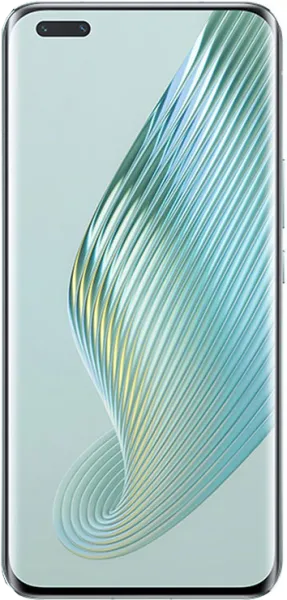
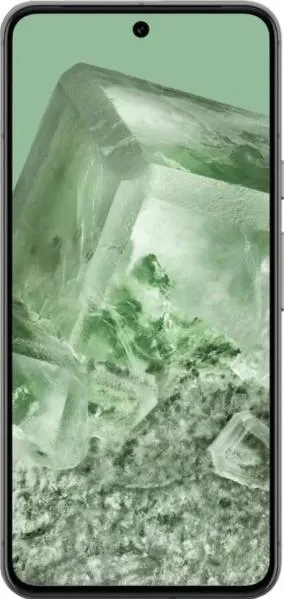
| Feature | Honor Magic5 Pro | Google Pixel 8 | Practical Impact |
|---|---|---|---|
| Design | |||
| Dimensions (mm) | 162.9 x 76.7 x 8.8 | 150.5 x 70.8 x 8.9 | Pixel 8 is noticeably smaller and lighter, easier for one-handed use. |
| Weight (g) | 219 | 187 | Pixel 8 is significantly lighter, reducing hand fatigue. |
| Display | |||
| Size (inches) | 6.81 | 6.2 | Magic5 Pro offers a larger screen for immersive media consumption; Pixel 8 is more pocketable. |
| Resolution | 1312 x 2848 | 1080 x 2400 | Magic5 Pro has a sharper display (460 ppi vs 428 ppi), resulting in crisper text and images. |
| Type | LTPO OLED | OLED | Magic5 Pro's LTPO panel enables dynamic refresh rate adjustment, potentially saving battery life. |
| Refresh Rate (Hz) | 120 | 120 | Both offer smooth scrolling and animations. |
| Peak Brightness (nits) | 1800 | 2000 | Pixel 8 can get brighter, improving outdoor visibility. |
| Performance | |||
| Chipset | Snapdragon 8 Gen 2 | Google Tensor G3 | Both are high-end chipsets, but Snapdragon 8 Gen 2 generally benchmarks higher in raw performance. Tensor G3 prioritizes AI and machine learning tasks. |
| CPU | Octa-core (1x3.2 GHz Cortex-X3 & 2x2.8 GHz Cortex-A715 & 2x2.8 GHz Cortex-A710 & 3x2.0 GHz Cortex-A510) | Nona-core (1x3.0 GHz Cortex-X3 & 4x2.45 GHz Cortex-A715 & 4x2.15 GHz Cortex-A510) | Magic5 Pro likely has a slight edge in demanding tasks due to higher clock speeds on performance cores. |
| GPU | Adreno 740 | Immortalis-G715s MC10 | Adreno 740 generally delivers stronger gaming performance. |
| RAM (GB) | 12 | 8 | Magic 5 Pro's extra RAM could improve multitasking and app switching speed. |
| Camera | |||
| Rear Cameras | 50MP Main, 50MP Wide, 50MP Telephoto | 50MP Main, 12MP Wide | Magic5 Pro boasts a higher resolution telephoto lens, offering superior zoom capabilities. Pixel 8 relies heavily on computational photography. |
| Selfie Camera | 12MP | 10.8MP | Resolution difference is minor; image quality will depend more on processing. |
| Battery | |||
| Capacity (mAh) | 5100 | 4575 | Magic5 Pro has a larger battery, potentially lasting longer on a single charge. |
| Fast Charging (W) | 66 | 27 | Magic5 Pro charges significantly faster. |
2. Key Differences Analysis
Honor Magic5 Pro Advantages:
- Larger, sharper display: More immersive for media consumption.
- Superior hardware: Potentially faster performance in demanding tasks and gaming.
- More versatile camera system: Stronger zoom capabilities due to high-resolution telephoto lens.
- Larger battery and faster charging: Longer lasting and quicker to recharge.
Google Pixel 8 Advantages:
- Smaller and lighter form factor: Easier to handle and carry.
- Brighter display: Better visibility outdoors.
- Tensor G3 chip: Optimized for AI-powered features and computational photography.
- Longer software support: Guaranteed OS updates for a longer period.
3. User Profiles & Recommendations
Honor Magic5 Pro: Ideal for users who prioritize performance, a large and sharp display, a versatile camera system with strong zoom capabilities, and long battery life. Suitable for power users, mobile gamers, and content creators.
Google Pixel 8: Suitable for users who prefer a compact and lightweight phone with a bright display, excellent camera quality driven by software, and the latest Android features with long-term software updates. Good for everyday users, photography enthusiasts, and those who value software experience over raw hardware specs.
4. Decision Framework
Key Questions for Buyers:
- What screen size and form factor do you prefer? Large and immersive vs. compact and one-handed use.
- Do you prioritize raw performance or AI-driven features and software experience? Gaming and multitasking vs. computational photography and smooth software.
- How important is camera versatility and zoom capability? Dedicated telephoto lens vs. computational zoom.
My Choice: Google Pixel 8
While the Honor Magic5 Pro boasts impressive hardware, I would choose the Google Pixel 8. My priorities lie in a smooth software experience, consistent updates, excellent camera quality, and a comfortable form factor. The Pixel 8 excels in these areas. The Tensor G3's focus on AI resonates with my usage, particularly for tasks like photography and voice assistance. While the smaller battery is a slight drawback, the significantly lighter and more compact design, coupled with Google's commitment to software updates, makes the Pixel 8 a more compelling choice for me. I value the user experience and long-term software support offered by Google more than the raw performance advantages of the Magic5 Pro.
