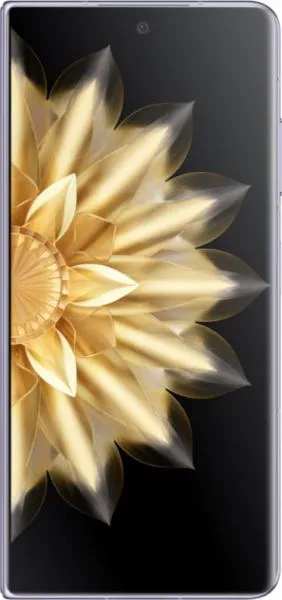
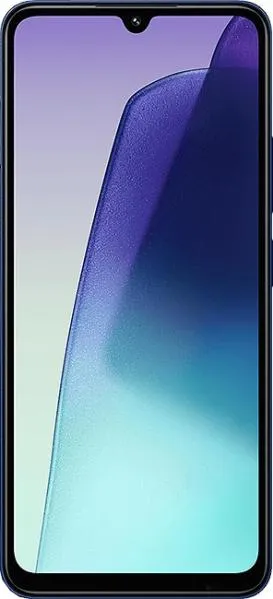
1. Specifications Comparison
| Feature | Honor Magic V2 | Xiaomi Redmi 14C | Practical Impact |
|---|---|---|---|
| Design | |||
| Dimensions | 156.7 x 145.4 x 4.7 mm (folded) | 171.9 x 77.8 x 8.2 mm | Magic V2 is significantly more compact when folded, but larger unfolded. Redmi 14C is a traditional slab phone. |
| Weight | 231 g | 211 g | Magic V2 is heavier due to its complex folding mechanism. |
| Foldable | Yes | No | Magic V2 offers a larger screen real estate in a pocketable size, enabling multitasking and content consumption on a larger display. |
| Display | |||
| Size | 7.92" (unfolded) | 6.88" | Magic V2 provides a significantly larger screen area when unfolded. |
| Type | Foldable LTPO OLED, 1B colors, 120Hz, HDR10+ | IPS LCD, 120Hz | Magic V2 offers superior contrast, color accuracy, power efficiency, and potentially smoother scrolling with LTPO. Redmi 14C uses a standard LCD panel. |
| Resolution | 2156 x 2344 | 720 x 1640 | Much sharper and more detailed visuals on the Magic V2. Redmi 14C has a lower resolution, noticeable on a larger screen. |
| Peak Brightness | 1600 nits | 600 nits (HBM) | Magic V2 will be significantly more visible in direct sunlight. Redmi 14C's typical brightness is likely lower than 600nits. |
| Performance | |||
| Chipset | Snapdragon 8 Gen 2 (4 nm) | Mediatek Helio G81 Ultra | Magic V2 offers significantly faster processing, smoother gaming, and better overall performance. |
| CPU | Octa-core (up to 3.36 GHz) | Octa-core (up to 2.0 GHz) | Significant performance advantage for the Magic V2 in demanding tasks. |
| GPU | Adreno 740 | Mali-G52 MC2 | Magic V2 provides much better graphics performance for gaming and visually intensive applications. |
| RAM | 16GB | 6GB/8GB | More RAM in Magic V2 allows for seamless multitasking and smoother performance with many apps open. |
| Storage | 512 GB | 128 GB | Four times the storage on the Magic V2. |
| Battery | |||
| Capacity | 5000 mAh | 5160 mAh | Redmi 14C has a slightly larger battery capacity, but the Magic V2's more efficient display and chipset could result in comparable or better battery life. |
| Other | |||
| OS | Android 13 (upgradable to 14) | Android 14 | Both phones run on modern Android versions. Long term software updates are unknown for both devices. |
| Price Range | High | Medium | Magic V2 is significantly more expensive. |
2. Key Differences Analysis
Honor Magic V2 Advantages:
- Superior Performance: Significantly faster processor, GPU, and more RAM for smoother multitasking and demanding tasks.
- High-Quality Display: Foldable OLED with higher resolution, brighter display, better color accuracy, and HDR10+ support for a premium viewing experience.
- Innovative Design: Foldable form factor provides a large screen in a portable device.
Xiaomi Redmi 14C Advantages:
- Lower Price: Significantly more affordable.
- Slightly Larger Battery: Potentially longer battery life, though real-world usage will depend on factors like display usage.
- Lighter Weight: Easier to hold and carry for extended periods, though thickness might be a tradeoff.
3. User Profiles & Recommendations
Honor Magic V2: Users who prioritize performance, a premium display, innovative technology, and are willing to pay a premium price. Ideal for multitasking, media consumption, and productivity on the go.
Xiaomi Redmi 14C: Budget-conscious users who need a large screen device for basic tasks like browsing, social media, and light gaming. Suitable for users who prioritize affordability over top-tier performance and features.
4. Decision Framework
Key Questions for Buyers:
- What is your budget? The Magic V2 is a premium flagship device, while the Redmi 14C is a budget-friendly option.
- What are your performance needs? Do you need a powerful phone for demanding tasks or gaming? The Magic V2 significantly outperforms the Redmi 14C.
- How important is portability and screen size? The Magic V2 offers a large foldable screen, while the Redmi 14C has a large traditional screen.
My Choice:
I would choose the Honor Magic V2. While significantly more expensive, the foldable form factor combined with the top-tier performance and stunning display makes it a compelling device. The Snapdragon 8 Gen 2, ample RAM, and high-resolution OLED offer a vastly superior user experience compared to the Redmi 14C. The compact size when folded offers true portability without sacrificing screen real-estate when needed. I value the versatility and premium experience enough to justify the higher price. The Redmi 14C, while a decent budget option, lacks the performance and features I prioritize in a smartphone.
