1. Specifications Comparison
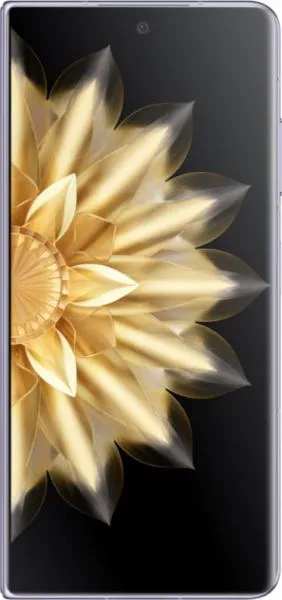
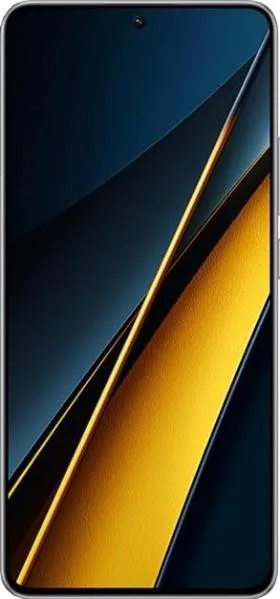
| Feature | Honor Magic V2 | Xiaomi Poco X6 Pro | Practical Impact |
|---|---|---|---|
| Design | |||
| Dimensions | 156.7 x 145.4 x 4.7 mm (folded) | 160.5 x 74.3 x 8.3 mm | Magic V2 significantly more compact when folded, but thicker; Poco X6 Pro more pocketable when unfolded. |
| Weight | 231g | 186g | Poco X6 Pro noticeably lighter for one-handed use. |
| Foldable | Yes | No | Magic V2 offers larger screen real estate in a compact form factor. |
| Display | |||
| Size | 7.92" | 6.67" | Magic V2 provides a significantly larger screen for multitasking and media consumption. |
| Type | Foldable LTPO OLED | AMOLED | Magic V2's folding screen allows for unique use cases and a larger display; Poco X6 Pro offers a traditional, durable screen. |
| Resolution | 2156 x 2344 | 1220 x 2712 | Both offer sharp visuals; Magic V2's aspect ratio is better suited for productivity, while Poco X6 Pro is optimized for media. |
| Refresh Rate | 120Hz | 120Hz | Both offer smooth scrolling and animations. |
| Peak Brightness | 1600 nits | 1800 nits | Poco X6 Pro slightly brighter in direct sunlight. |
| Performance | |||
| Chipset | Snapdragon 8 Gen 2 | Dimensity 8300 Ultra | Both are high-performance chipsets, but Snapdragon 8 Gen 2 generally offers better performance in demanding tasks and gaming. |
| CPU | Octa-core (up to 3.36 GHz) | Octa-core (up to 3.35 GHz) | Comparable CPU performance expected, though specific benchmarks are needed for accurate comparison. |
| GPU | Adreno 740 | Mali G615-MC6 | Adreno 740 generally provides superior graphics performance compared to Mali G615-MC6. |
| RAM | 16GB | 12GB | Magic V2 offers more RAM for smoother multitasking and demanding applications. |
| Storage | 512GB | 256GB/512GB | Both offer ample storage; Magic V2's base model offers more storage. |
| Battery | |||
| Capacity | 5000 mAh | 5000 mAh | Similar battery capacity; real-world battery life will depend on usage and software optimization. |
| Other | |||
| OS | Android 13 (upgradable to 14) | Android 14 (upgradable to 17) | Poco X6 Pro will receive longer software updates. |
| Price Range | High | Medium | Significant price difference; Magic V2 is considerably more expensive. |
2. Key Differences Analysis
Honor Magic V2 Advantages:
- Foldable Design: Offers a larger display in a compact form factor, enabling unique use cases.
- Superior Performance: Snapdragon 8 Gen 2 and 16GB RAM provide top-tier performance.
- More Premium Materials & Build: Expected given the price point.
Xiaomi Poco X6 Pro Advantages:
- Lower Price: Significantly more affordable.
- Lighter and Thinner (unfolded): More comfortable for one-handed use and pocket portability.
- Longer Software Support: Guaranteed updates to Android 17.
- Brighter Display: Better visibility in direct sunlight.
3. User Profiles & Recommendations
Honor Magic V2: Ideal for users who prioritize a large screen for productivity and media consumption in a portable device and are willing to pay a premium for cutting-edge technology. Suitable for professionals, power users, and content creators.
Xiaomi Poco X6 Pro: Best suited for users who seek a powerful and affordable smartphone with a great display. Excellent for gamers, students, and budget-conscious consumers who value performance over foldable technology.
4. Decision Framework
Key Questions for Buyers:
- Budget: Is a premium price justifiable for the foldable form factor and top-tier performance of the Magic V2?
- Priority Features: Is a large, foldable screen or a more traditional smartphone experience preferred?
- Performance Needs: Are demanding tasks and gaming a priority, or is good overall performance sufficient?
Scenario-Based Recommendations:
- Limited Budget: Poco X6 Pro is the clear choice.
- Prioritize Productivity and Large Screen: Honor Magic V2 is recommended.
- Value Long-Term Software Updates: Poco X6 Pro offers a longer update cycle.
My Choice: Xiaomi Poco X6 Pro
While the Honor Magic V2 is undoubtedly a technological marvel, the Xiaomi Poco X6 Pro offers exceptional value for its price. As someone who prioritizes practicality, the Poco X6 Pro's combination of strong performance, a beautiful display, long software support, and affordability outweighs the novelty of a foldable screen for my personal needs. I appreciate having a lighter and more pocketable device for everyday use. The price difference is significant enough to invest in other gadgets or experiences. While the Magic V2 excels in certain areas, the Poco X6 Pro strikes a better balance between performance, features, and price for my usage pattern.
