1. Specifications Comparison
| Feature | Honor Magic V2 | Xiaomi 14 Ultra | Practical Impact |
|---|---|---|---|
| Design | |||
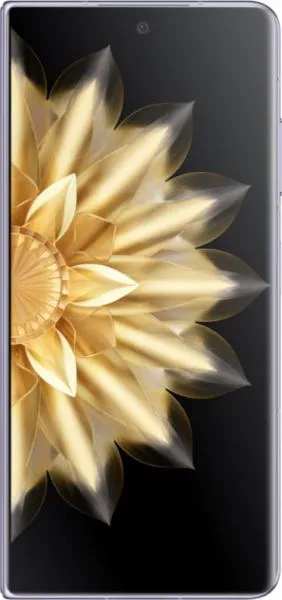
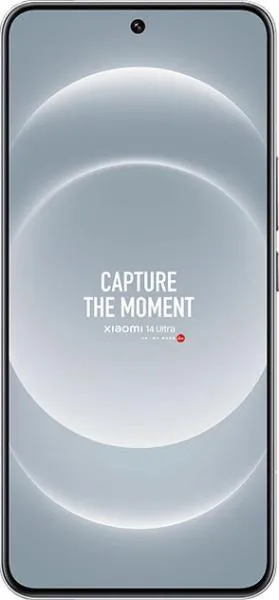
| Dimensions | 156.7 x 145.4 x 4.7 mm (folded) | 161.4 x 75.3 x 9.2 mm | Magic V2 is significantly thinner when folded but wider and taller unfolded. Xiaomi 14 Ultra is a more traditional slab phone design. Foldability offers portability advantages but potential durability concerns. |
| Weight | 231g | 229.5g | Negligible weight difference; both are relatively heavy for modern smartphones. |
| Foldable | Yes | No | Magic V2 offers a larger screen real estate when unfolded for multitasking and media consumption but introduces a crease and potential durability concerns. |
| Display | |||
| Display Type | Foldable LTPO OLED | LTPO AMOLED | Magic V2's foldable screen allows for a larger display area when unfolded, enhancing productivity and media consumption. |
| Size | 7.92" (unfolded) | 6.73" | Significantly larger screen on the Magic V2 when unfolded, beneficial for multitasking and media. |
| Resolution | 2156 x 2344 | 1440 x 3200 | Xiaomi 14 Ultra boasts a higher pixel density (522 ppi vs 402 ppi), resulting in sharper images and text. |
| Peak Brightness | 1600 nits | 3000 nits | Xiaomi 14 Ultra offers significantly higher peak brightness, ensuring better visibility in direct sunlight. |
| Performance | |||
| Chipset | Snapdragon 8 Gen 2 | Snapdragon 8 Gen 3 | Xiaomi 14 Ultra features a newer generation chipset, likely resulting in faster performance, improved efficiency, and better graphics processing. |
| CPU | Octa-core (up to 3.19 GHz) | Octa-core (up to 3.3 GHz) | Xiaomi 14 Ultra has a slightly faster CPU clock speed and newer architecture, potentially leading to noticeable performance improvements in demanding tasks. |
| GPU | Adreno 740 | Adreno 750 | Xiaomi 14 Ultra features a more powerful GPU, leading to better gaming performance and smoother graphics rendering. |
| RAM | 16GB | 16GB | Both phones offer ample RAM for smooth multitasking and demanding applications. |
| Camera | |||
| Video Capabilities | Up to 4K@60fps | Up to 8K@30fps and 4K@120fps | Xiaomi 14 Ultra supports higher resolution and frame rate video recording, providing more detailed and smoother videos. Slow-motion capabilities are significantly enhanced on the Xiaomi. |
| Specific sensor details | Missing | Missing | Cannot compare specific camera sensor performance without detailed sensor specifications (size, aperture, etc.). |
| Battery | |||
| Capacity | 5000 mAh | 5000 mAh | Similar battery capacities, but real-world battery life will depend on software optimization and usage patterns. Foldable displays often consume more power. |
2. Key Differences Analysis
Honor Magic V2 Advantages:
- Larger Screen Real Estate: The foldable design provides a tablet-like experience for productivity and media consumption.
- Thinner Folded Design: Offers superior portability when folded compared to traditional slab phones.
Xiaomi 14 Ultra Advantages:
- Superior Performance: Newer generation chipset and GPU translate to faster processing, smoother graphics, and better overall performance.
- Brighter Display: Significantly brighter display ensures excellent outdoor visibility.
- Advanced Video Recording: Supports higher resolution and frame rates, including impressive slow-motion capabilities.
- Potentially Lower Price: Listed as "medium price" compared to Magic V2's "high price," offering potentially better value.
3. User Profiles & Recommendations
Honor Magic V2: Ideal for users who prioritize a large screen for multitasking, media consumption, and portability, and are willing to pay a premium for the foldable technology. Use cases: Reading ebooks, watching videos, mobile gaming, productivity on the go.
Xiaomi 14 Ultra: Suitable for users who demand top-tier performance, a bright and sharp display, and advanced camera features, particularly video recording. Use cases: Demanding mobile gaming, professional video recording, photography enthusiasts.
4. Decision Framework
Key Questions for Buyers:
- How important is screen size and portability? A foldable phone offers a larger screen but potentially compromised durability.
- Is top-tier performance a priority? The Xiaomi 14 Ultra's newer processor and GPU offer significant performance advantages.
- What is your budget? The Magic V2 is expected to be more expensive.
My Choice: Xiaomi 14 Ultra
While the Honor Magic V2's foldable design is intriguing, the Xiaomi 14 Ultra offers a more compelling overall package for my needs. The significantly improved performance stemming from the newer generation Snapdragon processor and Adreno GPU, coupled with the brighter display and superior video recording capabilities, outweigh the benefits of a foldable screen. The potential price difference further solidifies the Xiaomi 14 Ultra as the better value proposition for me. I prioritize performance, a bright and clear display for outdoor use, and having the latest technology. The potential durability concerns and price premium of the foldable screen are deterrents.
