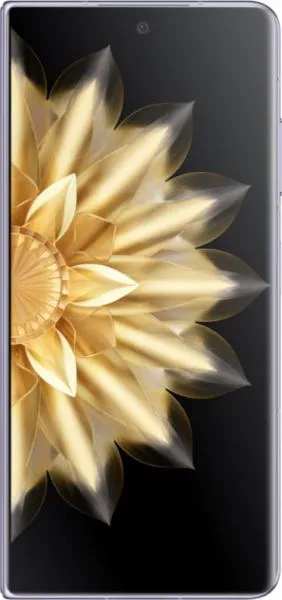
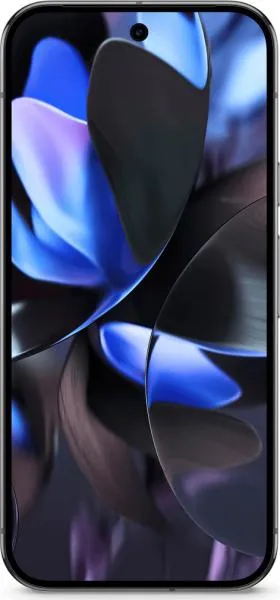
1. Specifications Comparison
| Feature | Honor Magic V2 | Google Pixel 9 Pro XL | Practical Impact |
|---|---|---|---|
| Design | |||
| Form Factor | Foldable | Slab | Magic V2 offers larger screen real estate in a pocketable size when folded; Pixel 9 Pro XL provides a traditional, familiar form factor. |
| Dimensions (mm) | 156.7 x 145.4 x 4.7 (folded) | 162.8 x 76.6 x 8.5 | Magic V2 is significantly thinner when folded but wider and taller unfolded; Pixel 9 Pro XL is more pocketable in one dimension but thicker overall. |
| Weight (g) | 231 | 221 | Negligible weight difference; both are relatively heavy for modern smartphones. |
| Display | |||
| Size (inches) | 7.92 (unfolded) | 6.8 | Magic V2's significantly larger unfolded display enhances media consumption and multitasking; Pixel 9 Pro XL offers a large, but standard, screen size. |
| Type | Foldable LTPO OLED | LTPO OLED | Both use power-efficient display technology with adaptive refresh rates; Magic V2's foldable screen offers unique usability. |
| Resolution | 2156 x 2344 | 1344 x 2992 | Pixel 9 Pro XL has a higher pixel density (486 ppi vs 402 ppi), resulting in sharper text and images. Magic V2's resolution is still high, providing a good visual experience. |
| Peak Brightness (nits) | 1600 | 3000 | Pixel 9 Pro XL offers significantly higher peak brightness, ensuring better visibility in direct sunlight. |
| Performance | |||
| Chipset | Snapdragon 8 Gen 2 (4 nm) | Google Tensor G4 (4 nm) | Both are high-end chipsets; Snapdragon 8 Gen 2 generally benchmarks higher in raw performance, but Tensor G4 excels in AI and machine learning tasks. |
| CPU | Octa-core (Cortex-X3, A715, A710, A510) | Octa-core (Cortex-X4, A720, A520) | Both CPUs offer powerful performance; architectural differences may lead to variations in specific workloads. Tensor G4 utilizes the newer Cortex-X4 core. |
| GPU | Adreno 740 | Mali-G715 MC7 | Adreno 740 generally provides stronger graphical performance for demanding games; Mali-G715 focuses on power efficiency. |
| RAM | 16GB | 16GB | Both offer ample RAM for smooth multitasking and demanding applications. |
| Battery | |||
| Capacity (mAh) | 5000 | 5060 | Negligible difference in battery capacity; real-world battery life will depend on usage patterns and software optimization. |
| Camera | |||
| Video Capabilities | Up to 4K@60fps | Up to 8K@30fps and 1080p@240fps | Pixel 9 Pro XL boasts higher resolution video recording (8K) and higher frame rate slow-motion (240fps); comprehensive comparison requires detailed camera sensor specifications which are missing. |
| Software | |||
| OS | Android 13 | Android 14 | Pixel 9 Pro XL launches with the newer Android version and will likely receive longer software updates. |
2. Key Differences Analysis
Honor Magic V2 Advantages:
- Foldable Design: Offers a larger screen in a portable form factor, enhancing media consumption and multitasking.
- Potentially Superior Raw Performance: Snapdragon 8 Gen 2 generally outperforms Tensor G4 in benchmarks.
Google Pixel 9 Pro XL Advantages:
- Brighter Display: Significantly brighter screen for improved outdoor visibility.
- Longer Software Support: Expected to receive Android updates for a longer period.
- Higher Resolution and Frame Rate Video: Offers 8K recording and 240fps slow-motion.
- More Storage Options: Provides greater flexibility in choosing storage capacity.
3. User Profiles & Recommendations
Honor Magic V2: Ideal for users who prioritize a large screen experience in a portable device and value raw performance. Best for multitasking, media consumption, and showcasing cutting-edge technology.
Google Pixel 9 Pro XL: Suitable for users who prefer a traditional smartphone form factor and prioritize software updates, camera features (especially video), and a bright display. Best for photography enthusiasts, videographers, and those who value a clean Android experience with timely updates.
4. Decision Framework
Key Questions for Buyers:
- Form Factor Preference: Do you value the larger screen of a foldable phone or prefer a traditional slab design?
- Software & Updates: How important are long-term software updates and a pure Android experience?
- Performance Needs: Do you require the absolute highest performance for demanding tasks or prioritize AI capabilities and camera features?
My Choice: Google Pixel 9 Pro XL
While the Honor Magic V2 is an impressive piece of engineering, I would choose the Google Pixel 9 Pro XL. The deciding factors for me are:
- Superior Camera Capabilities: The 8K video recording and 240fps slow-motion capabilities of the Pixel cater to my interest in videography.
- Longer Software Support: Google's commitment to providing extended software updates ensures a longer device lifespan and access to the latest features.
- Brighter Display: The significantly brighter display is crucial for outdoor usability, especially in sunny conditions.
- Familiarity with Form Factor: While foldable technology is exciting, I prefer the familiar and reliable form factor of a traditional smartphone.
While the benchmark performance of the Snapdragon 8 Gen 2 is compelling, the Pixel's Tensor G4, with its focus on AI and machine learning, likely provides a smoother and more optimized user experience for my day-to-day usage. The Magic V2's foldable screen is attractive, but the added complexity and potential durability concerns are trade-offs I'm not willing to make at this time.
