1. Specifications Comparison
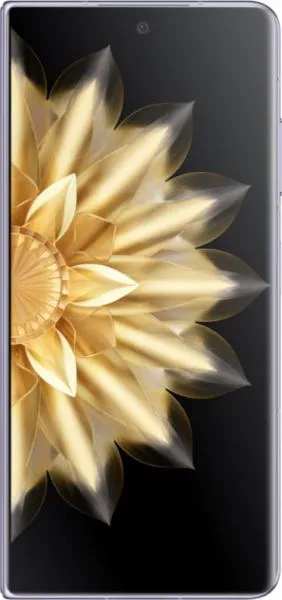
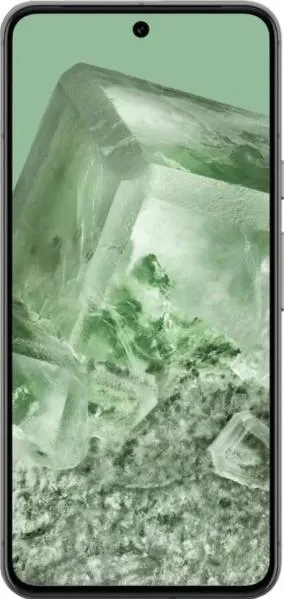
| Feature | Honor Magic V2 | Google Pixel 8 | Practical Impact |
|---|---|---|---|
| Design | |||
| Dimensions | 156.7 x 145.4 x 4.7 mm (folded) | 150.5 x 70.8 x 8.9 mm | Magic V2 significantly larger when folded, but offers a much larger screen when unfolded. Pixel 8 is more pocketable for daily use. |
| Weight | 231g | 187g | Magic V2 noticeably heavier due to the folding mechanism and larger battery. Pixel 8 easier to hold for extended periods. |
| Foldable | Yes | No | Magic V2 offers a large tablet-like experience when unfolded, enabling multitasking and media consumption on a larger screen. Pixel 8 is a traditional slab phone. |
| Display | |||
| Size | 7.92" (unfolded) | 6.2" | Magic V2 provides a significantly larger screen area for multitasking, media consumption, and productivity. Pixel 8 offers a more one-hand-friendly experience. |
| Type | Foldable LTPO OLED | OLED | Magic V2's foldable display introduces a crease but allows for a larger screen in a pocketable device. Pixel 8 offers a standard, flat display. |
| Resolution | 2156 x 2344 | 1080 x 2400 | Both offer sharp displays, but Magic V2's higher resolution on a larger screen results in a more detailed image. |
| Refresh Rate | 120Hz | 120Hz | Both offer smooth scrolling and animations. |
| Peak Brightness | 1600 nits | 2000 nits | Pixel 8 might be slightly more readable in direct sunlight due to higher peak brightness. |
| Performance | |||
| Chipset | Snapdragon 8 Gen 2 | Google Tensor G3 | Both are flagship chipsets, but Snapdragon 8 Gen 2 generally benchmarks higher in raw performance. Tensor G3 is optimized for AI and machine learning tasks. |
| CPU | Octa-core (up to 3.36 GHz) | Nona-core (up to 3.0 GHz) | Magic V2 likely offers slightly faster processing speeds for demanding tasks. |
| GPU | Adreno 740 | Immortalis-G715s MC10 | Adreno 740 generally performs better in graphics-intensive tasks like gaming. |
| RAM | 16GB | 8GB | Magic V2's significantly larger RAM allows for more apps to run in the background without reloading, improving multitasking. |
| Storage | 512GB | 256GB | Magic V2 offers double the storage of the Pixel 8. |
| Battery | |||
| Capacity | 5000 mAh | 4575 mAh | Magic V2 likely offers longer battery life due to its larger capacity, but the larger screen may also consume more power. Real-world usage will vary. |
| Other | |||
| OS | Android 13 (upgradable to 14) | Android 14 | Pixel 8 launches with the latest Android version and will receive longer software updates directly from Google. |
| Price Range | High | Medium | Magic V2 is significantly more expensive due to its foldable technology and premium specifications. |
2. Key Differences Analysis
Honor Magic V2 Advantages:
- Larger, Foldable Display: Offers a tablet-like experience for productivity and media consumption.
- More Powerful Performance: Snapdragon 8 Gen 2 and 16GB RAM provide a significant performance advantage.
- Larger Battery: Potentially longer battery life.
- More Storage: Double the storage capacity of the Pixel 8.
Google Pixel 8 Advantages:
- More Compact and Lighter: Easier to carry and use one-handed.
- Lower Price: Significantly more affordable.
- Longer Software Support: Guaranteed to receive more OS and security updates directly from Google.
- Latest Android OS: Ships with Android 14 out of the box.
- Tensor G3's AI Capabilities: Optimized for AI-powered features and performance.
3. User Profiles & Recommendations
Honor Magic V2: Ideal for power users, multitaskers, and content creators who value a large screen and top-tier performance and are willing to pay a premium. Use cases: multitasking with multiple apps, watching videos, editing photos/videos, mobile gaming.
Google Pixel 8: Ideal for users who prioritize a compact and affordable phone with a clean Android experience, consistent updates, and excellent camera capabilities. Use cases: everyday communication, web browsing, social media, casual photography, taking advantage of Google's AI features.
4. Decision Framework
Key Questions for Buyers:
- What is your budget? The Magic V2 is significantly more expensive.
- How important is screen size and foldability? The Magic V2's foldable screen is its key differentiator.
- Do you prioritize performance or software updates? The Magic V2 offers better performance, while the Pixel 8 will receive longer software updates.
My Choice:
I would choose the Google Pixel 8. While the Honor Magic V2 is undeniably impressive with its foldable display and powerful specs, the Pixel 8 better suits my needs and priorities. I value a compact and lightweight phone for everyday use, and the Pixel 8 excels in this area. The lower price, longer software support, and clean Android experience with guaranteed updates are significant advantages for me. While I appreciate the larger screen of the Magic V2, it's not a feature I would utilize enough to justify the significant price difference and added bulk. The Tensor G3, while perhaps not as powerful in raw benchmarks as the Snapdragon 8 Gen 2, offers compelling AI capabilities that align with my interest in Google's ecosystem. Ultimately, the Pixel 8 offers a better balance of features, usability, and price for my personal needs.
