1. Specifications Comparison
| Feature | Honor Magic V2 | Apple iPhone 16 Pro Max | Practical Impact |
|---|---|---|---|
| Design | |||
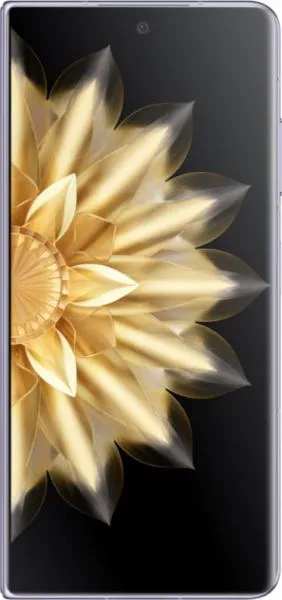
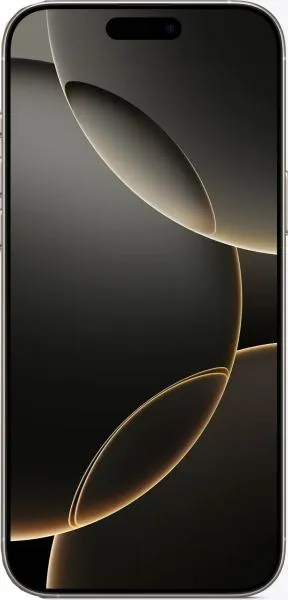
| Dimensions | 156.7 x 145.4 x 4.7 mm (folded) | 163 x 77.6 x 8.3 mm | Magic V2 significantly more compact when folded, but larger unfolded. iPhone 16 Pro Max is thinner and potentially more pocketable when not in use. |
| Weight | 231g | 227g | Negligible weight difference; both are relatively heavy devices. |
| Foldable | Yes | No | Magic V2 offers a larger screen real estate for multitasking and media consumption, while the iPhone 16 Pro Max provides a traditional smartphone experience. |
| Display | |||
| Size | 7.92" (unfolded) | 6.9" | Magic V2 provides a significantly larger screen for multitasking and media consumption. |
| Type | Foldable LTPO OLED | LTPO Super Retina XDR OLED | Both offer high-quality displays with excellent color accuracy and power efficiency. Foldable nature of Magic V2 introduces a crease. |
| Resolution | 2156 x 2344 | 1320 x 2868 | iPhone boasts a sharper display with higher pixel density (460 ppi vs 402 ppi), resulting in crisper text and images. |
| Refresh Rate | 120Hz | 120Hz | Both offer smooth scrolling and animations. |
| Peak Brightness | 1600 nits | 2000 nits (HBM) | iPhone 16 Pro Max likely offers better outdoor visibility due to higher peak brightness, though typical brightness is unknown for comparison. |
| Performance | |||
| Chipset | Snapdragon 8 Gen 2 (4nm) | Apple A18 Pro (3nm) | A18 Pro likely offers superior performance and efficiency due to newer manufacturing process; real-world difference needs benchmarking. |
| CPU | Octa-core (varying frequencies) | Hexa-core (2x4.05 GHz + 4x2.42 GHz) | Apple's architecture often outperforms Android counterparts in single-core tasks, impacting app responsiveness. |
| GPU | Adreno 740 | Apple GPU (6-core) | Apple GPUs traditionally excel in graphics-intensive tasks like gaming and video editing. |
| RAM | 16GB | 8GB | Magic V2 has significantly more RAM, potentially enabling better multitasking and smoother performance with numerous apps open. However, iOS RAM management differs from Android. |
| Storage | 512GB | 512GB/1TB | iPhone offers a 1TB storage option for users requiring substantial local storage. |
| Battery | |||
| Capacity | 5000 mAh | 4685 mAh | Magic V2 has a larger battery, but the foldable display likely consumes more power. Real-world battery life needs testing. |
| Other | |||
| OS | Android 13 (upgradable to 14) | iOS 18 | Different operating systems cater to different user preferences and ecosystems. |
| Video Capabilities | Up to 4K@60fps | Up to 4K@120fps | iPhone offers significantly higher frame rate video recording capabilities for smoother slow-motion and action shots. |
2. Key Differences Analysis
Honor Magic V2 Advantages:
- Larger Screen: The foldable design provides a tablet-like experience for productivity and media consumption.
- More RAM: Potentially smoother multitasking and better performance with demanding applications.
Apple iPhone 16 Pro Max Advantages:
- Likely Superior Performance: The A18 Pro chip and iOS optimization likely results in faster processing speeds and better graphics performance.
- Sharper Display: Higher pixel density leads to crisper visuals.
- Higher Video Capabilities: More advanced video recording options.
- Potentially Brighter Display: Higher peak brightness may be crucial for outdoor use.
Trade-offs:
- Foldability vs. Pocketability: Magic V2 offers a large screen but sacrifices pocketability.
- Performance vs. RAM: iPhone 16 Pro Max likely has a more powerful chip, while the Magic V2 has more RAM.
3. User Profiles & Recommendations
Honor Magic V2: Users who prioritize a large screen for multitasking, media consumption, and productivity on the go, and value the novelty of a foldable device. Suitable for professionals who need a portable workstation or content creators who benefit from a larger display.
Apple iPhone 16 Pro Max: Users who prefer a traditional smartphone form factor with top-tier performance, a sharp display, and a robust app ecosystem. Ideal for users who prioritize gaming, photography/videography, and overall speed and fluidity.
4. Decision Framework
Key Questions:
- How important is screen size and foldability? A foldable device offers more screen real estate but adds bulk.
- Which operating system and ecosystem do you prefer?
- What is your budget and how important is the price-to-performance ratio?
Scenario-Based Recommendations:
- Power User needing multitasking: Honor Magic V2.
- Content Creator focused on video: iPhone 16 Pro Max (due to superior video capabilities).
- Gamer seeking peak performance: iPhone 16 Pro Max (likely performance advantage).
My Choice: Apple iPhone 16 Pro Max
While the Honor Magic V2 is undeniably innovative with its foldable design and ample RAM, I would choose the Apple iPhone 16 Pro Max. The likely superior performance of the A18 Pro chip, combined with the sharper display, higher peak brightness, and advanced video recording capabilities, outweighs the benefits of the foldable screen for my personal needs. I prioritize a smooth and responsive user experience, excellent content creation capabilities, and a device that easily fits in my pocket. Though the Magic V2 boasts more RAM, Apple's tight integration of hardware and software typically results in efficient RAM management, mitigating this difference. Ultimately, the iPhone 16 Pro Max better suits my preference for a powerful, pocketable, and refined smartphone experience.
