1. Specifications Comparison
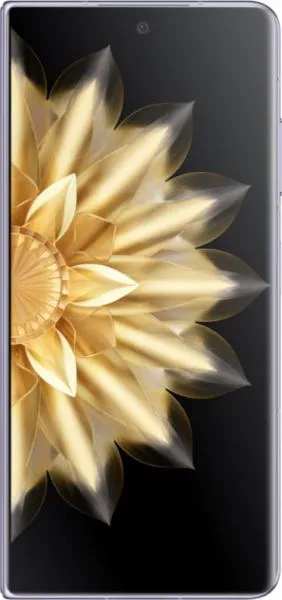
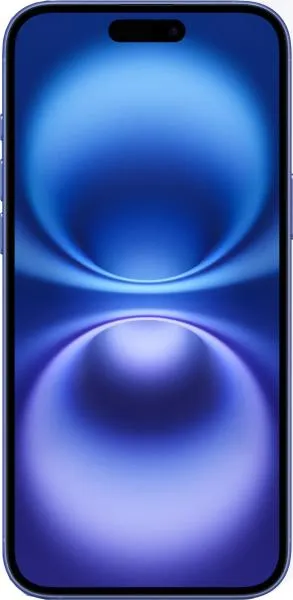
| Feature | Honor Magic V2 | Apple iPhone 16 Plus | Practical Impact |
|---|---|---|---|
| Design | |||
| Form Factor | Foldable | Standard | The Magic V2 offers a larger screen in a pocketable size when folded, while the iPhone 16 Plus provides a traditional, larger screen experience. |
| Dimensions (mm) | 156.7 x 145.4 x 4.7 (unfolded), varies when folded | 160.9 x 77.8 x 7.8 | The Magic V2 is thinner when unfolded but thicker when folded. The iPhone 16 Plus offers a more consistently sized form factor. |
| Weight (g) | 231 | 199 | The Magic V2 is noticeably heavier due to its folding mechanism and larger display. |
| Display | |||
| Size (inches) | 7.92 (main), unknown (cover) | 6.7 | The Magic V2 offers significantly more screen real estate when unfolded. The iPhone 16 Plus has a large display for a standard phone. |
| Type | Foldable LTPO OLED | Super Retina XDR OLED | Both are high-quality displays. LTPO allows for dynamic refresh rate adjustment, potentially saving battery on the Magic V2. |
| Resolution | 2156 x 2344 | 1290 x 2796 | Higher resolution on the Magic V2, but pixel density is higher on the iPhone 16 Plus (402 vs 460 ppi), leading to sharper images on the latter. |
| Refresh Rate (Hz) | 120 | Unspecified | 120Hz provides smoother animations and scrolling on the Magic V2. We cannot assess the iPhone's refresh rate without further data. |
| Peak Brightness (nits) | 1600 | 2000 (HBM) | Both offer excellent brightness, but the iPhone 16 Plus likely excels in HDR content with its higher peak brightness. |
| Performance | |||
| Chipset | Snapdragon 8 Gen 2 (4 nm) | Apple A18 (3 nm) | Both are flagship chipsets from their respective manufacturers, promising top-tier performance. Apple's A18 is newer and built on a smaller process node, likely resulting in better performance and efficiency. |
| CPU | Octa-core (varying speeds) | Hexa-core (varying speeds) | Cross-platform CPU comparisons are difficult. Both should handle demanding tasks with ease. |
| GPU | Adreno 740 | Apple GPU (5-core) | Both are powerful GPUs. Gaming performance likely favors the iPhone due to Apple's tight hardware-software integration. |
| RAM | 16GB | 8GB/12GB (assumed based on previous models - specification missing) | The Magic V2 offers significantly more RAM, enabling better multitasking and app retention. |
| Storage | 512GB | 256GB/512GB | Both offer ample storage. |
| Battery | |||
| Capacity (mAh) | 5000 | 4674 | Larger battery in the Magic V2 likely provides longer battery life, especially considering the larger display. |
| Other | |||
| OS | Android 13 | iOS 18 | OS preference is subjective. Android offers more customization, while iOS is known for its simplicity and tight ecosystem. |
| Price Range | High | Medium | The Magic V2 is expected to be more expensive than the iPhone 16 Plus. |
2. Key Differences Analysis
Honor Magic V2 Advantages:
- Larger, Foldable Display: Offers a tablet-like experience in a pocketable device.
- More RAM: Superior multitasking capabilities.
- Larger Battery: Potentially longer battery life.
Apple iPhone 16 Plus Advantages:
- Likely Superior Performance: Newer A18 Bionic chip and strong GPU performance.
- Higher Pixel Density: Sharper, more detailed images.
- Potentially Brighter Display: Better HDR performance.
- Lower Weight: More comfortable for one-handed use.
- Lower Price: Offers a more accessible price point.
Trade-offs:
- Magic V2: Higher price, heavier weight, crease in the folding display.
- iPhone 16 Plus: Smaller screen, less RAM.
3. User Profiles & Recommendations
Honor Magic V2: Ideal for users who prioritize a large screen for productivity, media consumption, and multitasking on the go and are willing to pay a premium for foldable technology.
Apple iPhone 16 Plus: Suitable for users who prefer a large-screen traditional smartphone experience with excellent performance, a vibrant display, and a more accessible price point. Good for users heavily invested in the Apple ecosystem.
4. Decision Framework
Key Questions:
- Form Factor Preference: Do you prioritize a foldable device for its larger screen real estate and portability or a traditional smartphone design?
- Budget: Are you willing to pay a premium for the foldable technology and higher specs of the Magic V2?
- Ecosystem and OS Preference: Do you prefer the flexibility of Android or the simplicity and ecosystem of iOS?
Scenario-Based Recommendations:
- Power User: If you need a device for heavy multitasking, media editing, and content creation, the Magic V2's large screen and ample RAM are advantageous.
- Casual User: If you prioritize simplicity, performance, and a more affordable price, the iPhone 16 Plus might be a better choice.
My Choice: Apple iPhone 16 Plus
While the Honor Magic V2 is undeniably innovative, the iPhone 16 Plus better suits my needs and preferences. I value a sleek, lightweight device with a bright, sharp display and excellent performance. The A18 Bionic chip's expected performance advantage, coupled with the smoother iOS experience and potentially brighter display for HDR content, are compelling. Although I acknowledge the Magic V2's advantages in screen size and RAM, I find the traditional form factor and lighter weight of the iPhone 16 Plus more appealing for everyday use. The lower price point is a significant factor as well. The foldable technology, while fascinating, isn't crucial for my current usage patterns. I appreciate the consistent form factor and the established performance of the Apple ecosystem.
