1. Specifications Comparison
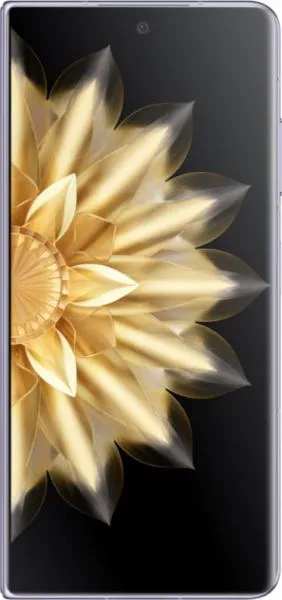
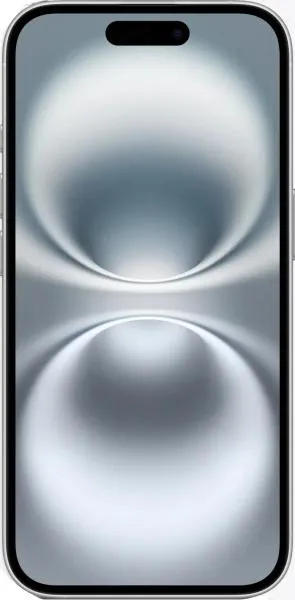
| Feature | Honor Magic V2 | Apple iPhone 16 | Practical Impact |
|---|---|---|---|
| Design | |||
| Dimensions | 156.7x145.4x4.7mm (folded) | 147.6x71.6x7.8mm | Magic V2 significantly larger when folded, pocketability advantage for iPhone 16. |
| Weight | 231g | 170g | iPhone 16 noticeably lighter for one-handed use and portability. |
| Foldable | Yes | No | Magic V2 offers larger screen real estate for multitasking and media consumption. iPhone 16 prioritizes portability and traditional smartphone experience. |
| Display | |||
| Size | 7.92" (unfolded) | 6.1" | Significantly larger screen on Magic V2 for immersive content. |
| Type | Foldable LTPO OLED | Super Retina XDR OLED | Both offer high-quality displays, but Magic V2's foldable nature provides versatility. |
| Resolution | 2156x2344 | 1179x2556 | Comparable sharpness despite size difference due to iPhone's higher pixel density (460 vs 402 PPI). |
| Refresh Rate | 120Hz | Not specified | Higher refresh rate on Magic V2 results in smoother animations and scrolling. Missing iPhone 16 refresh rate information hinders direct comparison. |
| Peak Brightness | 1600 nits | 2000 nits (HBM) | Both offer excellent brightness for outdoor visibility. iPhone potentially brighter in HDR content with higher peak brightness. |
| Performance | |||
| Chipset | Snapdragon 8 Gen 2 (4nm) | Apple A18 (3nm) | Both are flagship chipsets, expecting top-tier performance. A18 likely benefits from newer manufacturing process. Direct performance comparison requires benchmarks. |
| CPU | Octa-core (up to 3.36 GHz) | Hexa-core (up to 4.04 GHz) | Different core architectures; real-world performance depends on optimization. Clock speed differences don't directly translate to performance. |
| GPU | Adreno 740 | Apple GPU (5-core) | Both are powerful GPUs, but cross-platform comparison is difficult without benchmarks. Gaming performance likely excellent on both. |
| RAM | 16GB | 8GB | Magic V2 offers significantly more RAM, potentially benefiting multitasking and demanding applications. |
| Battery | |||
| Capacity | 5000 mAh | 3561 mAh | Larger battery in Magic V2 likely translates to longer battery life, but foldable displays often consume more power. |
| Other | |||
| OS | Android 13 (upgradable to 14) | iOS 18 | Different operating systems cater to different user preferences and ecosystems. |
| Storage | 512GB | 256GB/512GB | Both offer ample storage, but base iPhone 16 offers less than the Magic V2. |
| Price Range | High | Medium | Significant price difference; Magic V2 positioned as a premium device. |
2. Key Differences Analysis
Honor Magic V2 Advantages:
- Larger, Foldable Display: Offers more versatile user experience.
- Higher RAM: Better multitasking and future-proofing.
- Larger Battery: Potential for longer battery life.
Apple iPhone 16 Advantages:
- More Portable: Lighter and smaller form factor.
- Potentially More Powerful Chipset: Apple's A18 chip is built on a more advanced process.
- Lower Price: More accessible price point.
Trade-offs:
- Magic V2: Higher price, larger size and weight.
- iPhone 16: Smaller screen, less RAM, smaller battery.
3. User Profiles & Recommendations
Honor Magic V2: Ideal for users who prioritize a large screen for productivity, media consumption, and multitasking, and are willing to pay a premium for cutting-edge foldable technology.
Apple iPhone 16: Suited for users who prefer a compact and portable device with a strong performance, excellent camera, and a more accessible price point. Value iOS ecosystem and prioritize one-handed usability.
4. Decision Framework
Key Questions:
- How important is screen size and foldability?
- What is your budget?
- Which operating system (OS) do you prefer?
Scenario-Based Recommendations:
- Prioritize Productivity and Large Screen: Honor Magic V2
- Value Portability and Affordability: Apple iPhone 16
- Prefer iOS Ecosystem: Apple iPhone 16
My Choice: Apple iPhone 16
While the Honor Magic V2 boasts impressive specifications and the allure of a foldable screen, the Apple iPhone 16's combination of performance, portability, and price makes it my preferred choice. I value a compact phone that easily fits in my pocket, and the expected performance of the A18 chip, coupled with the refined iOS ecosystem, aligns better with my personal preferences. The lower price point of the iPhone 16 is also a significant factor, as it offers excellent value for its features. While the smaller battery capacity is a slight concern, Apple's optimization of hardware and software often results in impressive battery life despite lower mAh numbers. The lack of specific refresh rate information for the iPhone 16 does create some uncertainty, but historical trends suggest it will at least match the previous generation's performance. Ultimately, the iPhone 16 strikes a better balance between performance, portability, price, and user experience for my needs.
