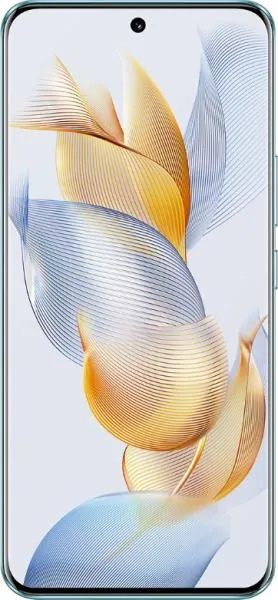

1. Specifications Comparison
| Feature | Honor 90 | ZTE nubia Z60 Ultra | Practical Impact | |
|---|---|---|---|---|
| Design | ||||
| Dimensions | 161.9 x 74.1 x 7.8 mm, 183g | 164 x 76.4 x 8.8 mm, 246g | Z60 Ultra is larger and significantly heavier; Honor 90 is more pocketable and comfortable for one-handed use. | |
| Display | ||||
| Size | 6.7" | 6.8" | Negligible difference in real-world usage. | |
| Resolution | 1200 x 2664 px (435 ppi) | 1116 x 2480 px (400 ppi) | Honor 90 has a sharper display due to higher pixel density. Noticeable in text clarity and image detail. | |
| Type | AMOLED, 120Hz, HDR10+, 1600 nits peak | AMOLED, 120Hz, HDR10, 1500 nits peak | Both offer smooth scrolling and vibrant colors. Honor 90's HDR10+ support may offer slightly better dynamic range in compatible content, and a brighter peak brightness. | |
| Performance | ||||
| Chipset | Snapdragon 7 Gen 1 Accelerated Edition | Snapdragon 8 Gen 3 | Z60 Ultra boasts significantly faster CPU and GPU performance, leading to smoother multitasking, gaming, and demanding applications. | |
| CPU | Octa-core (up to 2.5 GHz) | Octa-core (up to 3.3 GHz) | Z60 Ultra's higher clock speeds translate to noticeably quicker app launches and overall responsiveness. | |
| RAM | 8/12GB | 8/12/16/24GB | Both offer ample RAM for most users; Z60 Ultra's higher RAM options benefit power users and future-proof the device. | |
| Camera | ||||
| Main | 200MP, f/1.9 | 54MP, f/1.6, Sony IMX800 | While Honor 90 has higher megapixel count, Z60 Ultra uses a larger sensor known for excellent low-light performance and dynamic range. Real-world image quality comparison needed. | |
| Video | 4K@30fps | 8K@30fps, 4K@120fps | Z60 Ultra offers significantly more advanced video recording capabilities. | |
| Battery | ||||
| Capacity | 5000 mAh | 6000 mAh | Z60 Ultra offers longer battery life. | |
| Other | ||||
| OS | Android 13 | Android 14 | Z60 Ultra ships with a newer Android version, potentially offering newer features and longer software support. | |
| USB | USB Type-C 2.0 | USB Type-C 3.1 | Z60 Ultra's USB 3.1 offers faster data transfer speeds. |
2. Key Differences Analysis
Honor 90 Advantages:
- Lighter and more compact: Easier to handle and carry.
- Sharper display: More detail in text and images.
- Potentially lower price: Depending on configuration.
ZTE nubia Z60 Ultra Advantages:
- Significantly faster performance: Smoother experience for demanding tasks.
- Larger battery: Longer usage time.
- More advanced camera features: Higher resolution video recording, Optical Image Stabilization.
- Newer Android version: Potentially longer software support.
- Faster data transfer: USB 3.1
3. User Profiles & Recommendations
Honor 90: Users prioritizing a lightweight, compact phone with a sharp display for everyday tasks, social media, and casual gaming. Price-conscious buyers.
ZTE nubia Z60 Ultra: Power users, gamers, and photography/videography enthusiasts who demand top-tier performance, long battery life, and advanced camera features.
4. Decision Framework
Key Questions:
- What is your budget? The Z60 Ultra is likely more expensive.
- What are your primary use cases? Demanding tasks vs. everyday use.
- Do you prioritize portability or performance/features?
Scenario-Based Recommendations:
- Limited budget, everyday use: Honor 90
- Demanding tasks, gaming: ZTE nubia Z60 Ultra
- Photography/videography enthusiast: ZTE nubia Z60 Ultra
My Choice: ZTE nubia Z60 Ultra
While the Honor 90 offers a compelling combination of portability and a sharp display, the ZTE nubia Z60 Ultra's superior performance, larger battery, more advanced camera system, and newer Android version make it the better overall device for my needs. The significant jump in processing power with the Snapdragon 8 Gen 3, coupled with the future-proofing offered by higher RAM options and Android 14, outweighs the Z60 Ultra's larger size and weight. I value a smooth, responsive experience for demanding tasks and gaming, as well as the capability to capture high-quality photos and videos. The faster data transfer speeds offered by USB 3.1 are also a significant advantage. While the Honor 90's higher resolution display is appealing, the difference in real-world usage is likely to be marginal compared to the performance gains of the Z60 Ultra. I am willing to compromise on portability for the significant advantages offered by the Z60 Ultra.
