
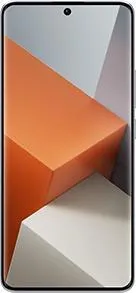
1. Specifications Comparison
| Feature | Honor 90 | Xiaomi Redmi Note 13 Pro+ | Practical Impact |
|---|---|---|---|
| Design | |||
| Dimensions (mm) | 161.9 x 74.1 x 7.8 | 161.4 x 74.2 x 8.9 | Redmi is slightly thicker and heavier. |
| Weight (g) | 183 | 199 | Honor 90 is noticeably lighter, improving one-handed use. |
| Display | |||
| Size (inches) | 6.7 | 6.67 | Negligible size difference. |
| Resolution (px) | 1200 x 2664 | 1220 x 2712 | Both offer sharp, high-resolution displays. Redmi has a slightly higher pixel density. |
| Type | AMOLED | AMOLED | Both offer vibrant colors and deep blacks. |
| Refresh Rate (Hz) | 120 | 120 | Both provide smooth scrolling and animations. |
| Color Depth | 1B | 68B | Redmi offers a wider color gamut, potentially resulting in more accurate and nuanced colors. |
| Peak Brightness (nits) | 1600 | 1800 | Redmi's higher peak brightness improves outdoor visibility. |
| HDR | HDR10+ | HDR10+, Dolby Vision | Redmi supports Dolby Vision, providing a better HDR experience in supported content. |
| Performance | |||
| Chipset | Snapdragon 7 Gen 1 Accelerated | Dimensity 7200 Ultra | Both are mid-range chipsets, but benchmarks suggest the Dimensity 7200 Ultra offers a slight performance advantage. |
| CPU | Octa-core (1x2.5 GHz A710 & 3x2.36 GHz A710 & 4x1.8 GHz A510) | Octa-core (2x2.8 GHz A715 & 6x2.0 GHz A510) | Dimensity's higher clock speed on performance cores may lead to faster app loading and multitasking. |
| GPU | Adreno 644 | Mali-G610 MC4 | GPU performance differences are application-specific. More information (e.g., benchmark scores) needed for a definitive comparison. |
| RAM (GB) | 8 (in this configuration) | 8 (in this configuration) | Both have sufficient RAM for smooth multitasking in this configuration. |
| Camera | |||
| Main Camera (MP) | 200 | 200 | Both have high-resolution main sensors. |
| Main Camera Aperture | f/1.9 | f/1.65 | Redmi's wider aperture allows for more light intake, potentially improving low-light performance. |
| Ultrawide (MP) | 12 | 8 | Honor has a higher resolution ultrawide camera. |
| Selfie Camera (MP) | 50 | 16 | Honor has a significantly higher resolution selfie camera. |
| Video Stabilization | EIS | EIS, OIS | Redmi offers optical image stabilization (OIS) for potentially smoother video recording. |
| Battery | |||
| Capacity (mAh) | 5000 | 5000 | Identical battery capacities. Real-world battery life depends on usage and optimization. |
2. Key Differences Analysis
Honor 90 Advantages:
- Lighter and slimmer design: More comfortable for extended use and one-handed operation.
- Higher resolution ultrawide camera: Captures more detail in wider shots.
- Higher resolution selfie camera: Better for video calls and self-portraits.
Xiaomi Redmi Note 13 Pro+ Advantages:
- Brighter display: Easier to see outdoors in sunlight.
- Dolby Vision support: Enhanced HDR video playback experience.
- Potentially faster performance: Due to the Dimensity 7200 Ultra chipset.
- Optical image stabilization (OIS): Smoother video recording.
- Wider main camera aperture: Potentially better low-light photos.
3. User Profiles & Recommendations
Honor 90: Users who prioritize a lightweight, comfortable phone with a good selfie camera and ultrawide capabilities. Ideal for social media enthusiasts and casual photographers.
Redmi Note 13 Pro+: Users who value performance, a bright display with excellent HDR capabilities, and stable video recording. Suitable for mobile gamers, content consumers, and those who frequently record videos.
4. Decision Framework
Key Questions for Buyers:
- What is your budget? Compare prices for similar storage configurations.
- What are your primary use cases? (e.g., gaming, photography, social media)
- Which features are most important to you? (e.g., display quality, camera performance, battery life, design)
My Choice: Xiaomi Redmi Note 13 Pro+
While the Honor 90 offers a lighter design and higher resolution ultrawide and selfie cameras, the Redmi Note 13 Pro+'s advantages in performance, display quality (brightness and Dolby Vision), and video stabilization (OIS) are more compelling to me. The slightly thicker and heavier build is a minor trade-off for these benefits. The wider aperture on the main camera is also a significant advantage for low-light photography. As someone who values a smooth user experience, a great screen for media consumption, and reliable camera performance, the Redmi Note 13 Pro+ better fits my needs.
