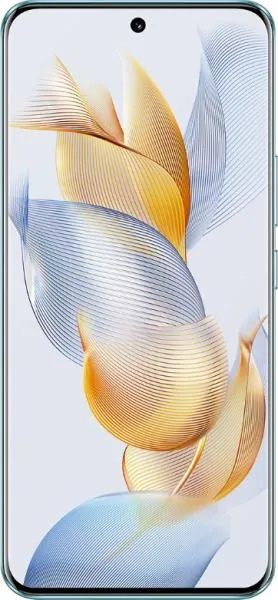
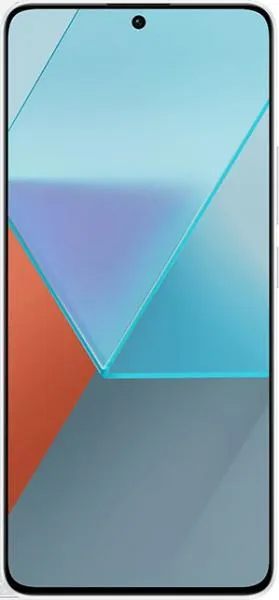
1. Specifications Comparison
| Feature | Honor 90 | Xiaomi Redmi Note 13 Pro | Practical Impact |
|---|---|---|---|
| Design | |||
| Dimensions (mm) | 161.9 x 74.1 x 7.8 | 161.2 x 74.2 x 8.0 | Virtually identical dimensions, negligible difference in hand feel. |
| Weight (g) | 183 | 187 | Negligible weight difference, both feel light in hand. |
| Display | |||
| Display Size (inches) | 6.7 | 6.67 | Negligible size difference. |
| Resolution (px) | 1200 x 2664 | 1220 x 2712 | Both offer sharp, high-resolution displays. Redmi Note 13 Pro slightly sharper due to higher pixel density. |
| Display Type | AMOLED, 1B colors, 120Hz | AMOLED, 68B colors, 120Hz, Dolby Vision | Both are smooth AMOLED displays with 120Hz refresh rate. Redmi Note 13 Pro supports Dolby Vision for enhanced HDR video playback with wider color gamut (68B vs 1B). |
| Peak Brightness (nits) | 1600 | 1800 | Redmi Note 13 Pro offers better visibility in direct sunlight due to higher peak brightness. |
| Performance | |||
| Chipset | Snapdragon 7 Gen 1 Accelerated | Snapdragon 7s Gen 2 | Both are mid-range chipsets. Benchmarking data would be needed to determine definitive performance differences. Snapdragon 7s Gen 2 has slightly faster CPU cores. |
| CPU | Octa-core (1x2.5 GHz Cortex-A710 & 3x2.36 GHz Cortex-A710 & 4x1.8 GHz Cortex-A510) | Octa-core (4x2.4 GHz Cortex-A78 & 4x1.95 GHz Cortex-A55) | Different core architectures; performance differences would require benchmarking. |
| GPU | Adreno 644 | Adreno 710 | Redmi Note 13 Pro likely has a slight edge in graphics performance due to the newer Adreno 710 GPU. |
| RAM (GB) | 8/12 | 8/12/16 | Both offer configurations with ample RAM for multitasking. Redmi offers a 16GB option for even more demanding users. |
| Camera | |||
| Main Camera (MP) | 200 | 200 | Both have high-resolution main sensors. |
| Main Camera Aperture | f/1.9 | f/1.65 | Redmi Note 13 Pro's wider aperture allows for more light intake, potentially improving low-light performance. |
| Ultrawide (MP) | 12 | 8 | Honor 90 offers higher resolution ultrawide camera. |
| Selfie Camera (MP) | 50 | 16 | Honor 90 boasts significantly higher resolution selfie camera. |
| Battery | |||
| Capacity (mAh) | 5000 | 5100 | Negligible difference in battery capacity. Real-world battery life depends on usage patterns and software optimization. |
2. Key Differences Analysis
Honor 90 Advantages:
- Higher Resolution Selfie Camera: Significant advantage for selfie enthusiasts and video callers.
- Higher Resolution Ultrawide Camera: Offers more detail in wide-angle shots.
- Potentially Better Availability: Depending on the region, the Honor 90 may be more widely available.
Redmi Note 13 Pro Advantages:
- Dolby Vision Support: Provides a superior HDR video viewing experience.
- Brighter Display: Easier to see outdoors in bright sunlight.
- Wider Color Gamut: More vibrant and accurate colors on display.
- Potentially Lower Price: Various configurations offer greater flexibility and potential cost savings.
- Slightly Faster CPU Cores: The Cortex-A78 cores in the Redmi Note 13 Pro have a higher clock speed compared to the Cortex-A710 in the Honor 90.
3. User Profiles & Recommendations
Honor 90: Users who prioritize high-quality selfies, frequent video calls, and ultrawide photography.
Redmi Note 13 Pro: Users who prioritize multimedia consumption (especially HDR video), gaming (potentially smoother performance due to GPU), and value a bright display for outdoor use. Price-sensitive users may also find the Redmi Note 13 Pro more appealing given its lower starting price.
4. Decision Framework
Key Questions for Buyers:
- How important are high-quality selfies and ultrawide photos?
- Is HDR video playback a priority?
- What is your budget?
My Choice: Redmi Note 13 Pro
While the Honor 90 offers enticing features like a higher-resolution selfie camera, the Redmi Note 13 Pro provides a more well-rounded package for my needs. The Dolby Vision support, brighter display, wider color gamut, and potential for better gaming performance due to the Adreno 710 GPU outweigh the Honor 90's advantages for me. Additionally, the Redmi Note 13 Pro offers more competitive pricing with different RAM/storage configurations. I prioritize display quality and multimedia consumption, making the Redmi Note 13 Pro the more compelling choice. While the selfie camera is important, it's not a primary concern for me. The slight performance advantage and the wider range of price points solidify the Redmi Note 13 Pro as the better option in my opinion.
