1. Specifications Comparison
| Feature | Honor 90 | Xiaomi Redmi Note 13 | Practical Impact |
|---|---|---|---|
| Design | |||
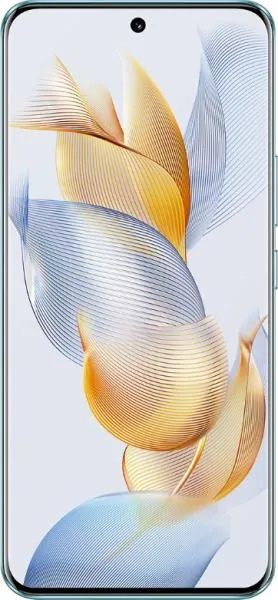
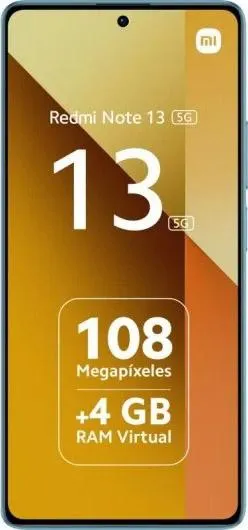
| Dimensions (mm) | 161.9 x 74.1 x 7.8 | 161.1 x 75 x 7.6 | Negligible size difference; both are large phones. |
| Weight (g) | 183 | 174.5 | Redmi Note 13 is slightly lighter, potentially more comfortable for extended use. |
| Fingerprint Sensor | Under Display | Side-mounted | Personal preference; under-display feels more modern, side-mounted can be faster and easier to reach. |
| Display | |||
| Size (inches) | 6.7 | 6.67 | Virtually identical screen real estate. |
| Resolution (px) | 1200 x 2664 | 1080 x 2400 | Honor 90 has a sharper display (higher pixel density: 435 ppi vs 395 ppi), resulting in crisper text and images. |
| Type | AMOLED, 1B colors, 120Hz, HDR10+ | AMOLED, 1B colors, 120Hz | Both offer smooth scrolling and vibrant colors thanks to AMOLED and 120Hz. Honor 90 supports HDR10+ for better dynamic range in videos. |
| Peak Brightness (nits) | 1600 | 1000 (stated), potentially higher | Honor 90's higher peak brightness ensures better visibility in direct sunlight. We lack confirmed peak brightness for Redmi Note 13. |
| Performance | |||
| Chipset | Snapdragon 7 Gen 1 Accelerated Edition (4 nm) | Mediatek Dimensity 6080 (6 nm) | Snapdragon generally offers better GPU performance, important for gaming; Dimensity often prioritizes power efficiency. |
| CPU | Octa-core (1x2.5 GHz A710 & 3x2.36 GHz A710 & 4x1.8 GHz A510) | Octa-core (2x2.4 GHz A76 & 6x2.0 GHz A55) | Honor 90's CPU configuration suggests better performance, especially in demanding tasks. |
| GPU | Adreno 644 | Mali-G57 MC2 | Adreno 644 generally provides a superior gaming experience compared to the Mali-G57 MC2. |
| RAM | 8GB/12GB | 6GB/8GB/12GB | Both offer sufficient RAM for most users; 12GB option provides more headroom for multitasking. |
| Camera | |||
| Main Camera (MP) | 200 MP, f/1.9, Samsung ISOCELL HP3 | 108 MP, f/1.7, Samsung HM6 | Honor 90 boasts significantly higher resolution, potentially capturing more detail. Real-world performance depends on image processing. |
| Video Recording | 4K@30fps with EIS | 1080p@30fps | Honor 90 offers higher resolution video recording and Electronic Image Stabilization (EIS). |
| Battery | |||
| Capacity (mAh) | 5000 | 5000 | Identical battery capacity; real-world battery life depends on software optimization and usage patterns. |
2. Key Differences Analysis
Honor 90 Advantages:
- Superior Display: Sharper, brighter display with HDR10+ support.
- Better Performance: More powerful chipset and GPU, beneficial for gaming and demanding tasks.
- Higher Resolution Camera: Potentially more detailed photos and 4K video recording.
Xiaomi Redmi Note 13 Advantages:
- Lower Price: Positioned in a lower price bracket.
- Slightly Lighter: More comfortable for extended use.
- Longer Software Support: Expected to receive Android updates for a longer period (up to Android 16).
Trade-offs:
- Honor 90: Higher price for better display, performance, and camera.
- Redmi Note 13: Compromises on display sharpness, performance, and camera capabilities for a lower price.
3. User Profiles & Recommendations
Honor 90: Ideal for users who prioritize display quality, performance (especially gaming), and camera capabilities. Suitable for content consumption, mobile photography, and demanding applications.
Xiaomi Redmi Note 13: Suitable for budget-conscious users who prioritize basic smartphone functionality, long software updates, and acceptable performance for everyday tasks. Good for social media, web browsing, and casual photography.
4. Decision Framework
Key Questions for Buyers:
- What is your budget? The Redmi Note 13 offers better value if price is a major concern.
- What are your primary use cases? Gamers and photography enthusiasts would prefer the Honor 90.
- How important is display quality and performance? The Honor 90 significantly outperforms the Redmi Note 13 in these areas.
My Choice: Honor 90
While the Redmi Note 13 offers excellent value for its price, the Honor 90's superior display, performance, and camera capabilities make it a more compelling device for me. I prioritize a smooth and enjoyable user experience, which the Honor 90 delivers with its powerful hardware and sharp display. The higher resolution camera and 4K video recording are also significant advantages for capturing high-quality photos and videos. While the price difference exists, the enhanced user experience offered by the Honor 90 justifies the premium, especially considering my personal preferences for a high-performance device with a great screen. The slightly heavier weight is a minor trade-off I'm willing to accept for the overall better package.
