
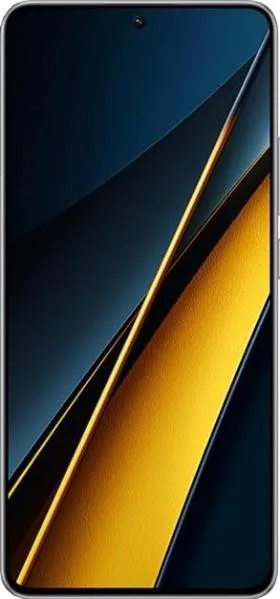
1. Specifications Comparison
| Feature | Honor 90 | Xiaomi Poco X6 Pro | Practical Impact |
|---|---|---|---|
| Design | |||
| Dimensions (mm) | 161.9 x 74.1 x 7.8 | 160.5 x 74.3 x 8.3 | Poco X6 Pro slightly shorter, wider, and thicker. Negligible difference in daily use. |
| Weight (g) | 183 | 186 | Virtually identical weight; no noticeable difference in hand. |
| Display | |||
| Size (inches) | 6.7 | 6.67 | Negligible size difference. |
| Resolution (px) | 1200 x 2664 | 1220 x 2712 | Both offer sharp, high-resolution displays. Poco X6 Pro slightly sharper due to higher pixel density. |
| Type | AMOLED | AMOLED | Both offer vibrant colors and deep blacks. |
| Refresh Rate (Hz) | 120 | 120 | Both offer smooth scrolling and animations. |
| Color Depth | 1B | 68B | Poco X6 Pro boasts a significantly wider color gamut, resulting in more accurate and nuanced color reproduction, especially beneficial for content creators and media consumption. |
| Peak Brightness (nits) | 1600 | 1800 | Poco X6 Pro can get brighter, improving outdoor visibility. |
| HDR | HDR10+ | HDR10+, Dolby Vision | Poco X6 Pro supports Dolby Vision, providing a superior HDR experience with enhanced dynamic range and color accuracy in compatible content. |
| Performance | |||
| Chipset | Snapdragon 7 Gen 1 Accelerated | Dimensity 8300 Ultra | Dimensity 8300 Ultra generally offers better performance in benchmarks, translating to faster app loading, smoother multitasking, and potentially better gaming performance. |
| CPU | Octa-core (1x2.5 GHz A710 & 3x2.36 GHz A710 & 4x1.8 GHz A510) | Octa-core (1x3.35 GHz A715 & 3x3.20 GHz A715 & 4x2.20 GHz A510) | Poco X6 Pro has a faster CPU architecture and higher clock speeds, resulting in noticeably improved performance. |
| GPU | Adreno 644 | Mali G615-MC6 | While Adreno 644 is no slouch, the Mali G615-MC6 in the Poco X6 Pro may offer better gaming performance depending on the specific game and optimization. |
| RAM (GB) | 8 (in this configuration) | 8/12 (depending on configuration) | More RAM can improve multitasking. Poco X6 Pro offers a 12GB option for even smoother performance. |
| Camera | |||
| Main Camera (MP) | 200 | 64 | Honor 90 boasts significantly higher resolution, potentially capturing more detail. However, megapixels alone don't guarantee image quality. Sensor size and processing play crucial roles. |
| Ultrawide (MP) | 12 | 8 | Honor 90 offers slightly higher resolution ultrawide. |
| Selfie (MP) | 50 | 16 | Honor 90 has a much higher resolution selfie camera. |
| Video | 4K@30fps | 4K@30fps | Both can record 4K video. Poco X6 Pro adds 4K@24fps for cinematic recording. |
| Optical Stabilization | No | Yes | Poco X6 Pro offers optical image stabilization (OIS) for smoother videos and reduced blur in low-light photos. A significant advantage. |
| Battery | |||
| Capacity (mAh) | 5000 | 5000 | Identical battery capacity. Real-world battery life depends on usage and optimization. |
2. Key Differences Analysis
Honor 90 Advantages:
- Higher resolution main and selfie cameras: Potentially capturing more detail.
- DXOMark Score Available: Provides a quantifiable measure of camera quality, though subjective user experience can vary.
Xiaomi Poco X6 Pro Advantages:
- More powerful processor and GPU: Leading to smoother performance and better gaming.
- Brighter display with wider color gamut and Dolby Vision: Providing a superior visual experience.
- Optical Image Stabilization: Enabling significantly better video recording and low-light photography.
- Newer Android version with longer update support: Ensuring access to the latest features and security patches for a longer period.
Trade-offs:
- Honor 90: Higher resolution cameras might not necessarily translate to better image quality due to unknown sensor size and image processing capabilities. Lacks optical image stabilization, hindering video quality and low-light performance.
- Poco X6 Pro: Lower resolution main camera on paper.
3. User Profiles & Recommendations
Honor 90: Suits users prioritizing a high-megapixel count for still photos and who value a proven camera system based on the DXOMark score.
Xiaomi Poco X6 Pro: Ideal for users who demand top-tier performance, a superb display, and stable video recording. Great for gamers, content consumers, and those seeking the latest software features. The longer software support also makes it a more future-proof choice.
4. Decision Framework
Key Questions for Buyers:
- Is raw camera resolution or overall image/video quality more important?
- Do you prioritize performance and a future-proof device?
- What is your budget, and which phone offers better value within that range?
Scenario-Based Recommendations:
- Heavy gamer/power user: Poco X6 Pro
- Photography enthusiast prioritizing still shots: Honor 90 (with careful consideration of the lack of OIS)
- Content consumer: Poco X6 Pro
- Budget-conscious user seeking long-term software support: Poco X6 Pro
My Choice: Xiaomi Poco X6 Pro
While the Honor 90 boasts a high-resolution main camera, the Xiaomi Poco X6 Pro offers a more well-rounded package. The superior processor, brighter and more color-accurate display with Dolby Vision, optical image stabilization for video, and longer software update support make it a more compelling device for my needs. I prioritize a smooth user experience, future-proof features, and excellent media consumption capabilities, all of which the Poco X6 Pro delivers convincingly. The presence of OIS significantly elevates the video and low-light photography experience over the Honor 90, outweighing the difference in megapixel count. Additionally, the newer and more powerful Dimensity 8300 Ultra chipset makes the Poco X6 Pro a more capable device for demanding tasks and future applications.
