
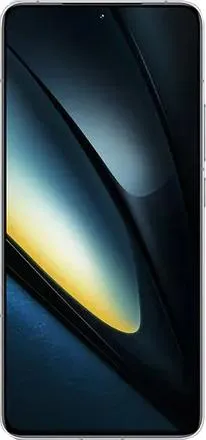
1. Specifications Comparison
| Feature | Honor 90 | Xiaomi Poco F6 Pro | Practical Impact |
|---|---|---|---|
| Design | |||
| Dimensions (mm) | 161.9 x 74.1 x 7.8 | 160.9 x 75 x 8.2 | Poco F6 Pro is slightly shorter and wider, but noticeably thicker. Honor 90 is lighter (183g vs 209g), impacting one-handed use and pocket comfort. |
| Weight (g) | 183 | 209 | |
| Display | |||
| Display Size (inches) | 6.7 | 6.67 | Negligible size difference. |
| Resolution | 1200 x 2664 | 1440 x 3200 | Poco F6 Pro boasts a significantly sharper display (526 ppi vs 435 ppi), resulting in crisper text and images. |
| Display Type | AMOLED, 1B colors | AMOLED, 68B colors | Poco F6 Pro's 68B color depth provides a wider range of colors and potentially smoother color gradients compared to Honor 90's 1B colors. |
| Peak Brightness (nits) | 1600 | 4000 | Poco F6 Pro's far superior peak brightness ensures significantly better outdoor visibility. |
| Refresh Rate (Hz) | 120 | 120 | Both offer smooth scrolling and animations. |
| HDR | HDR10+ | HDR10+, Dolby Vision | Poco F6 Pro supports Dolby Vision, expanding HDR content compatibility and potentially offering a better HDR viewing experience. |
| Performance | |||
| Chipset | Snapdragon 7 Gen 1 Accelerated | Snapdragon 8 Gen 2 | Poco F6 Pro's Snapdragon 8 Gen 2 is considerably more powerful, enabling smoother multitasking, faster app loading, and better gaming performance. |
| CPU | Octa-core (up to 2.5 GHz) | Octa-core (up to 3.2 GHz) | |
| GPU | Adreno 644 | Adreno 740 | |
| RAM | 8GB (reviewed model) | 12GB (reviewed model) | More RAM in the Poco F6 Pro enables better multitasking and app switching performance. Note: both phones offer other RAM configurations. |
| Camera | |||
| Main Camera (MP) | 200 | 50 | While megapixel count is higher on Honor 90, sensor size and other factors play a crucial role in image quality. Direct image quality comparison is necessary as specs alone are insufficient. |
| Video Recording | Up to 4K@30fps | Up to 8K@24fps | Poco F6 Pro offers higher resolution video recording. |
| Optical Stabilization | No | Yes | Poco F6 Pro's optical image stabilization will result in smoother videos and reduced blur in photos, particularly in low light. |
| Battery | |||
| Capacity (mAh) | 5000 | 5000 | Similar battery capacities suggest comparable battery life, although real-world usage will vary depending on other factors like display brightness and processor efficiency. |
2. Key Differences Analysis
Honor 90 Advantages:
- Lighter and Thinner: More comfortable for one-handed use and carrying in pockets.
- Higher Resolution Main Camera Sensor (on paper): Potentially detailed images, though real-world performance depends on image processing.
Xiaomi Poco F6 Pro Advantages:
- Significantly More Powerful: Superior performance for demanding tasks and gaming.
- Sharper Display: Crisper visuals due to higher pixel density.
- Brighter Display: Better outdoor visibility.
- Wider Color Gamut: More vibrant and accurate colors.
- Dolby Vision Support: Enhanced HDR experience.
- Optical Image Stabilization: Smoother videos and better low-light photos.
- Higher Resolution Video Recording: Capture more detail in videos.
- More RAM: Improved multitasking capabilities.
3. User Profiles & Recommendations
Honor 90: Users prioritizing a lightweight, stylish phone for everyday tasks, social media, and casual photography. Price sensitive users looking for a good balance of features.
Xiaomi Poco F6 Pro: Users demanding top-tier performance for gaming, demanding applications, and professional content creation. Users valuing a high-quality display and advanced camera features.
4. Decision Framework
Key Questions for Buyers:
- What is your budget? The Poco F6 Pro is more expensive.
- What are your primary use cases? Gaming and demanding tasks favor the Poco F6 Pro. Casual use favors the Honor 90.
- Which features are most important to you? Prioritize display quality, camera features, or performance accordingly.
My Choice: Xiaomi Poco F6 Pro
While the Honor 90 offers a lighter and more compact design, the Xiaomi Poco F6 Pro provides a significant leap in performance, display quality, and camera capabilities. The Snapdragon 8 Gen 2, sharper and brighter display with Dolby Vision, optical image stabilization, and higher resolution video recording make it a more compelling device for a wider range of users. The slightly higher price is justified by the substantial upgrades. While heavier, the added weight is acceptable for the significant performance gains.
