1. Specifications Comparison
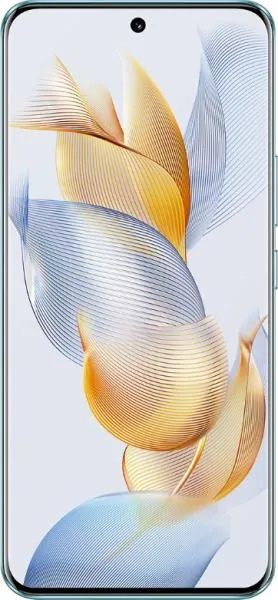
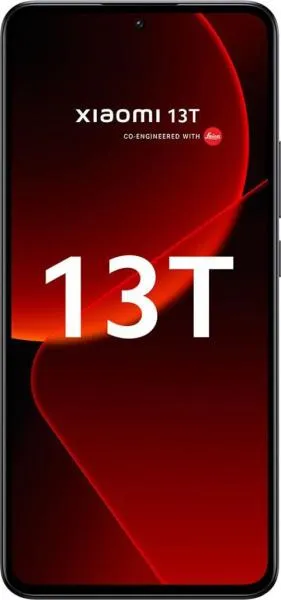
| Feature | Honor 90 | Xiaomi 13T | Practical Impact |
|---|---|---|---|
| Design | |||
| Dimensions (mm) | 161.9 x 74.1 x 7.8 | 162.2 x 75.7 x 8.5 | Xiaomi 13T is slightly larger and thicker. |
| Weight (g) | 183 | 219 | Honor 90 is noticeably lighter, improving one-handed use. |
| Display | |||
| Size (inches) | 6.7 | 6.67 | Negligible size difference. |
| Resolution (pixels) | 1200 x 2664 | 1220 x 2712 | Both offer sharp, detailed visuals; Xiaomi 13T slightly more so. |
| Refresh Rate (Hz) | 120 | 144 | Xiaomi 13T's higher refresh rate results in smoother animations and scrolling. |
| Display Type | AMOLED | AMOLED | Both offer vibrant colors and deep blacks. |
| Peak Brightness (nits) | 1600 | 2600 | Xiaomi 13T is significantly brighter, improving outdoor visibility. |
| Color Depth | 1B | 68B | Xiaomi 13T supports a wider color gamut, offering more nuanced color reproduction for content creation and consumption. |
| HDR Support | HDR10+ | HDR10+, Dolby Vision | Xiaomi 13T supports Dolby Vision, providing a superior HDR experience in supported content. |
| Performance | |||
| Chipset | Snapdragon 7 Gen 1 Accelerated | Dimensity 8200 Ultra | Dimensity 8200 Ultra generally benchmarks higher in CPU and GPU performance, leading to faster app loading and smoother gaming. |
| CPU | Octa-core (1x2.5 GHz A710 & 3x2.36 GHz A710 & 4x1.8 GHz A510) | Octa-core (1x3.1 GHz A78 & 3x3.0 GHz A78 & 4x2.0 GHz A55) | Xiaomi 13T's CPU architecture is more powerful and efficient. |
| GPU | Adreno 644 | Mali-G610 MC6 | While specific benchmarks are needed, Mali-G610 MC6 in the 8200 Ultra generally provides a performance advantage for gaming. |
| RAM (GB) | 8/12 | 8/12 | Both offer ample RAM for multitasking. |
| Camera | |||
| Main Camera (MP) | 200 | 50 | Honor 90 boasts higher resolution; Xiaomi 13T utilizes a larger sensor (Sony IMX707) known for good low-light performance. Image quality will depend on processing. |
| Telephoto | No dedicated telephoto | 50MP Telephoto | Xiaomi 13T offers optical zoom capabilities. |
| Ultrawide (MP) | 12 | 13 | Similar ultrawide capabilities. |
| Video | 4K@30fps | 4K@30fps | Both offer standard 4K video recording; Xiaomi 13T adds HDR and higher frame rate options at 1080P. |
| Battery | |||
| Capacity (mAh) | 5000 | 5000 | Similar battery capacities. Real-world battery life depends on usage and optimization. |
2. Key Differences Analysis
Honor 90 Advantages:
- Lighter and more compact: Easier to handle and carry.
- Higher resolution main camera: Potentially more detailed images in ideal lighting.
Xiaomi 13T Advantages:
- More powerful processor and GPU: Smoother performance for demanding tasks and gaming.
- Higher refresh rate display: More fluid and responsive visuals.
- Brighter display: Better visibility outdoors.
- Dolby Vision support: Enhanced HDR experience.
- Dedicated telephoto lens: Optical zoom capabilities for versatile photography.
- More comprehensive video recording features: HDR video, higher frame rates at 1080p
3. User Profiles & Recommendations
Honor 90: Users prioritizing a lightweight and compact phone for everyday use, social media, and casual photography.
Xiaomi 13T: Users who value performance, a superior display, and versatile camera capabilities, including optical zoom and high-quality video recording. Suitable for mobile gaming, content creation, and media consumption.
4. Decision Framework
Key Questions for Buyers:
- What is your budget? The Xiaomi 13T is generally more expensive.
- What are your primary use cases? (Gaming, photography, media consumption, etc.)
- Do you prioritize portability and one-handed use?
Scenario-Based Recommendations:
- Budget-conscious user: Honor 90 offers good value for its price.
- Power user/Gamer: Xiaomi 13T's superior performance is a significant advantage.
- Photography enthusiast: Xiaomi 13T offers a more versatile camera system with optical zoom.
My Choice: Xiaomi 13T
While the Honor 90 offers a lighter and more compact design, the Xiaomi 13T's advantages in performance, display, and camera capabilities are more compelling for my needs. The Dimensity 8200 Ultra, higher refresh rate and brighter display, Dolby Vision support, dedicated telephoto lens, and more comprehensive video features outweigh the slight difference in size and weight. I prioritize a smooth and responsive user experience, a great display for media consumption, and a versatile camera for capturing high-quality photos and videos. The Xiaomi 13T better fulfills these requirements.
