1. Specifications Comparison
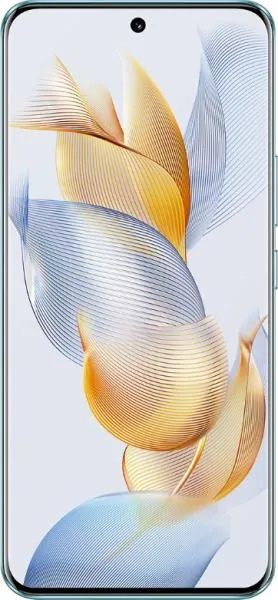
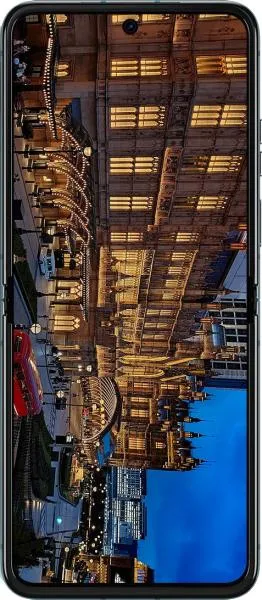
| Feature | Honor 90 | Motorola Razr 40 | Practical Impact |
|---|---|---|---|
| Design | |||
| Dimensions (mm) | 161.9 x 74.1 x 7.8 | 170.8 x 74 x 7.4 | Razr 40 is taller and slightly thicker when unfolded, but significantly more compact when folded. Honor 90 is thinner overall. |
| Weight (g) | 183 | 188.6 | Negligible weight difference in practical use. |
| Foldable | No | Yes | Razr 40's foldable design offers portability and a unique form factor. Honor 90 is a traditional slab phone. |
| Display | |||
| Size (inches) | 6.7 | 6.9 | Razr 40 offers a slightly larger screen. |
| Resolution (px) | 1200 x 2664 | 1080 x 2640 | Honor 90 has a sharper display due to higher resolution. |
| Type | AMOLED | Foldable LTPO AMOLED | Both are AMOLED, offering vibrant colors and deep blacks. Razr 40 utilizes LTPO for potentially better power efficiency. |
| Refresh Rate (Hz) | 120 | 144 | Razr 40's higher refresh rate results in smoother animations and scrolling. |
| Peak Brightness (nits) | 1600 | 1400 | Honor 90 can get brighter, improving outdoor visibility. |
| Performance | |||
| Chipset | Snapdragon 7 Gen 1 Accelerated | Snapdragon 7 Gen 1 | Honor 90's "Accelerated" version might offer a slight performance boost, but real-world difference could be minimal. |
| CPU | Octa-core (1x2.5 GHz A710 & 3x2.36 GHz A710 & 4x1.8 GHz A510) | Octa-core (1x2.4 GHz A710 & 3x2.36 GHz A710 & 4x1.8 GHz A510) | Very similar CPU configurations; performance differences likely negligible. |
| GPU | Adreno 644 | Adreno 644 | Same GPU, indicating similar graphics performance. |
| RAM (GB) | 8/12/16 | 8/12 | Both offer ample RAM for multitasking; 16GB option on Honor 90 provides headroom for future-proofing. |
| Camera | |||
| Main Camera (MP) | 200 | 64 | Honor 90 boasts significantly higher resolution, potentially capturing more detail. However, megapixel count isn't the sole determinant of image quality. |
| Ultrawide (MP) | 12 | 13 | Similar ultrawide capabilities. |
| Selfie Camera (MP) | 50 | 32 | Honor 90 has a higher resolution selfie camera. |
| Battery | |||
| Capacity (mAh) | 5000 | 4200 | Honor 90 offers a larger battery, likely translating to longer battery life. |
2. Key Differences Analysis
Honor 90 Advantages:
- Sharper Display: Higher resolution for clearer visuals.
- Brighter Display: Better outdoor visibility.
- Larger Battery: Potentially longer battery life.
- Higher Resolution Cameras: Potential for more detailed photos and videos (though real-world results depend on other factors).
- Potentially Faster Performance: "Accelerated" chipset might offer marginal improvements.
Motorola Razr 40 Advantages:
- Foldable Design: Increased portability and unique form factor.
- Higher Refresh Rate Display: Smoother scrolling and animations.
- More Compact when Folded: Easier to pocket and carry.
Trade-offs:
- Razr 40: Smaller battery capacity for increased portability. Lower resolution display despite larger size.
- Honor 90: Larger, less pocketable design for a bigger battery and sharper display.
3. User Profiles & Recommendations
Honor 90: Ideal for users prioritizing battery life, display quality (sharpness and brightness), and camera resolution. Suitable for media consumption, gaming, and photography enthusiasts.
Motorola Razr 40: Best for users who value portability and a unique, compact design above all else. Suitable for those who prioritize pocketability and appreciate the novelty of a foldable phone.
4. Decision Framework
Key Questions:
- How important is portability? If ultimate portability is paramount, the Razr 40 is the clear winner.
- What is your budget? Consider the price difference between the two phones and their respective storage/RAM configurations. The detailed pricing information isn't fully clear in the data provided.
- What are your primary use cases? Media consumption, gaming, and photography might benefit from the Honor 90's specs. Everyday tasks and communication will function well on either device.
My Choice: Honor 90
While the Razr 40's foldable design is intriguing, the Honor 90's combination of a sharper, brighter display, larger battery, and higher resolution cameras makes it a more compelling overall package for my needs. I prioritize battery life and screen quality, and the potential performance advantages of the "Accelerated" chipset are a bonus. The slightly larger size is a trade-off I'm willing to make for these benefits. Ultimately, the lack of concrete pricing information makes a definitive value assessment difficult, but based purely on features, the Honor 90 aligns better with my priorities.
