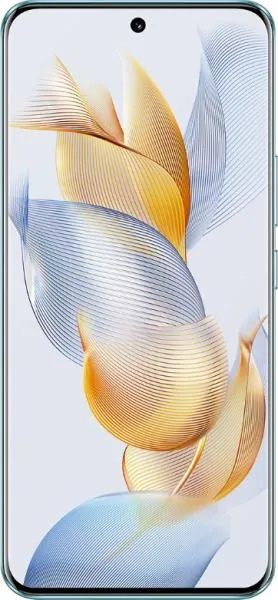
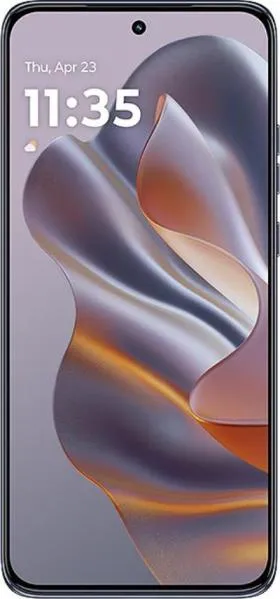
1. Specifications Comparison
| Feature | Honor 90 | Motorola Edge 50 Neo | Practical Impact |
|---|---|---|---|
| Design | |||
| Dimensions (mm) | 161.9 x 74.1 x 7.8 | 154.1 x 71.2 x 8.1 | Edge 50 Neo is slightly smaller and potentially more pocketable. |
| Weight (g) | 183 | 171 | Edge 50 Neo is noticeably lighter, reducing hand fatigue during extended use. |
| Display | |||
| Display Type | AMOLED | LTPO P-OLED | Both offer excellent contrast and vibrant colors. LTPO on the Edge 50 Neo allows for dynamic refresh rate adjustment, potentially saving battery. |
| Size (inches) | 6.7 | 6.4 | Honor 90 offers a larger screen for more immersive media consumption. |
| Resolution | 1200 x 2664 | 1256 x 2760 | Similar pixel density, resulting in sharp visuals on both. Edge 50 Neo's slightly higher resolution might offer marginally sharper text. |
| Refresh Rate (Hz) | 120 | 120 | Both offer smooth scrolling and animations. |
| Peak Brightness (nits) | 1600 | 3000 | Edge 50 Neo's significantly higher peak brightness ensures better visibility in direct sunlight. |
| Performance | |||
| Chipset | Snapdragon 7 Gen 1 Accelerated | MediaTek Dimensity 7300 | Both are mid-range chipsets. Performance differences would need real-world benchmarking to determine. |
| CPU | Octa-core (1x2.5 GHz A710 & 3x2.36 GHz A710 & 4x1.8 GHz A510) | Octa-core (4x2.5 GHz A78 & 4x2.0 GHz A55) | Different core architectures make direct comparison difficult without benchmarks. |
| GPU | Adreno 644 | Mali-G615 MC2 | Gaming performance differences require real-world testing. |
| RAM (GB) | 8/12/16 | 8/12 | Both offer ample RAM for multitasking, though Honor 90 has a 16GB option for extreme users. |
| OS | Android 13 | Android 14 | Edge 50 Neo ships with a newer Android version, offering potential feature and security advantages. It also has longer promised OS support (until Android 19). |
| Camera | |||
| Main Camera (MP) | 200 | 50 | Honor 90 boasts a significantly higher resolution main sensor. Real-world image quality depends on factors beyond resolution, such as sensor size and processing. |
| Ultrawide (MP) | 12 | 13 | Comparable ultrawide cameras. |
| Other Cameras | 2MP Depth | 10MP Telephoto | Honor 90 has a depth sensor for portrait mode, while Edge 50 Neo offers a telephoto lens for optical zoom, a more valuable feature for most users. |
| Battery | |||
| Capacity (mAh) | 5000 | 4310 | Honor 90 has a larger battery, likely resulting in longer battery life. |
2. Key Differences Analysis
Honor 90 Advantages:
- Higher Resolution Main Camera: Potentially more detailed photos, though real-world performance needs assessment.
- Larger Battery: Likely translates to longer usage time between charges.
- Larger Display: More immersive experience for media consumption.
- Higher RAM option: 16GB option available for power users.
Motorola Edge 50 Neo Advantages:
- Lighter and More Compact: Easier to handle and carry.
- Brighter Display: Superior outdoor visibility.
- Newer Android Version with Longer Support: Access to latest features and security updates for a longer period.
- Telephoto Lens: Enables optical zoom for better image quality at a distance.
- LTPO Display: Potentially better battery efficiency due to dynamic refresh rate.
3. User Profiles & Recommendations
Honor 90: Users prioritizing battery life, a large display for media consumption, and a high-resolution main camera (pending real-world image quality comparisons).
Motorola Edge 50 Neo: Users who value a compact and lightweight phone, excellent outdoor visibility, the latest software with long-term support, and optical zoom capabilities.
4. Decision Framework
Key Questions for Buyers:
- How important is battery life and screen size?
- Do you prioritize the latest software and features, along with longer-term support?
- Is a telephoto lens for optical zoom or a high-resolution main camera more important? (Consider researching actual image comparisons before deciding).
My Choice: Motorola Edge 50 Neo
While the Honor 90 boasts a larger battery and higher resolution main camera, the Motorola Edge 50 Neo offers a more compelling overall package for my needs. The lighter and more compact design, significantly brighter display with LTPO for battery efficiency, newer Android version with longer support commitment, and the inclusion of a telephoto lens outweigh the benefits of the Honor 90. The telephoto lens, in particular, offers greater practical utility than a high-resolution main sensor without proven real-world image quality advantages. Finally, the longer software support of the Edge 50 Neo is a significant advantage in terms of long-term value and security.
