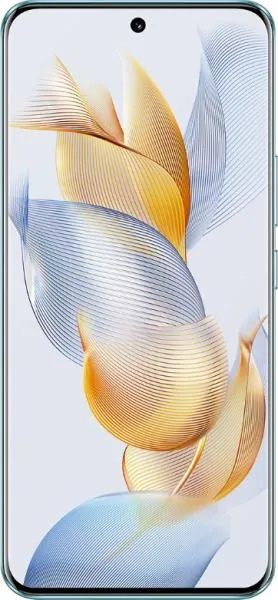

1. Specifications Comparison
| Feature | Honor 90 | Google Pixel 8 Pro | Practical Impact |
|---|---|---|---|
| Design | |||
| Dimensions (mm) | 161.9 x 74.1 x 7.8 | 162.6 x 76.5 x 8.8 | Pixel 8 Pro is slightly larger and noticeably thicker. |
| Weight (g) | 183 | 213 | Honor 90 is significantly lighter, more comfortable for extended use. |
| Build Materials | Not specified | Not specified | Cannot compare build quality and durability. |
| Display | |||
| Display Type | AMOLED | LTPO OLED | Pixel's LTPO panel allows for more granular refresh rate control, saving battery. |
| Display Size (inches) | 6.7 | 6.7 | Same screen size. |
| Resolution | 1200 x 2664 | 1344 x 2992 | Pixel 8 Pro has a sharper display with higher pixel density. |
| Refresh Rate (Hz) | 120 | 120 | Both offer smooth scrolling and animations. |
| Peak Brightness (nits) | 1600 | 2400 | Pixel 8 Pro offers significantly better outdoor visibility. |
| Performance | |||
| Chipset | Snapdragon 7 Gen 1 Accelerated | Google Tensor G3 | Tensor G3 is expected to offer better AI performance and potentially better overall performance, though benchmarks are needed for confirmation. |
| CPU | Octa-core (1x2.5 GHz Cortex-A710 & 3x2.36 GHz Cortex-A710 & 4x1.8 GHz Cortex-A510) | Nona-core (1x3.0 GHz Cortex-X3 & 4x2.45 GHz Cortex-A715 & 4x2.15 GHz Cortex-A510) | Tensor G3's more powerful core architecture suggests superior performance, particularly in demanding tasks. |
| RAM (GB) | 8/12/16 (depending on version) | 12 | Pixel 8 Pro offers more RAM in its base configuration, enabling better multitasking. |
| GPU | Adreno 644 | Immortalis-G715s MC10 | Immortalis-G715s should offer better gaming performance. |
| Camera | |||
| Main Camera (MP) | 200 | 50 | Pixel's lower megapixel count but larger sensor (1/1.31") suggests better low-light performance. Honor's higher megapixel count could offer more detail in well-lit conditions. |
| Ultrawide (MP) | 12 | 48 | Pixel's ultrawide likely captures more detail and offers potentially better low-light performance. |
| Telephoto (MP) | None | 48 | Pixel offers optical zoom, a significant advantage for capturing distant subjects. |
| Video Recording | 4K@30fps | 4K@60fps with HDR, OIS, EIS | Pixel offers higher resolution and frame rate video recording with advanced stabilization. |
| Battery | |||
| Capacity (mAh) | 5000 | 5050 | Negligible difference in battery capacity. |
| Charging Speed | Not specified | Not specified | Cannot compare charging speeds. |
2. Key Differences Analysis
Honor 90 Advantages:
- Lighter and potentially more comfortable to hold.
- Potentially more affordable. (Based on general price range)
Google Pixel 8 Pro Advantages:
- Sharper, brighter display with LTPO technology. Provides better outdoor visibility and potentially improved battery life.
- More powerful processor and GPU. Leads to smoother performance, better multitasking, and enhanced gaming capabilities.
- Superior camera system with optical zoom and advanced video recording capabilities. Offers significantly better versatility and quality for photography and videography.
- Longer software support. Google typically provides longer OS and security updates for Pixel phones.
3. User Profiles & Recommendations
Honor 90: Users on a tighter budget prioritizing a lightweight phone for everyday tasks like social media, browsing, and casual photography.
Google Pixel 8 Pro: Users who prioritize a premium experience with the best camera, display, and performance, and value long-term software updates. Best suited for demanding users, mobile photographers, and videographers.
4. Decision Framework
Key Questions for Buyers:
- What is your budget? The Pixel 8 Pro is a flagship device and will command a higher price.
- What are your primary use cases? If photography and videography are crucial, the Pixel 8 Pro is the clear winner.
- How important is software support and longevity? The Pixel will receive more software updates for a longer period.
Scenario-Based Recommendations:
- Limited Budget, Casual User: Honor 90
- Photographer/Videographer: Pixel 8 Pro
- Power User/Gamer: Pixel 8 Pro
My Choice: Google Pixel 8 Pro
While the Honor 90 offers a lighter design at a potentially lower price, the Pixel 8 Pro's advantages in display, performance, camera, and software support are significant. The superior camera system with optical zoom, the brighter and more responsive LTPO display, the powerful Tensor G3 chip, and the promise of longer software updates make the Pixel 8 Pro a more compelling device for my needs. I prioritize performance, a great camera, and long-term usability, making the Pixel 8 Pro the better choice despite the higher price and heavier weight.
