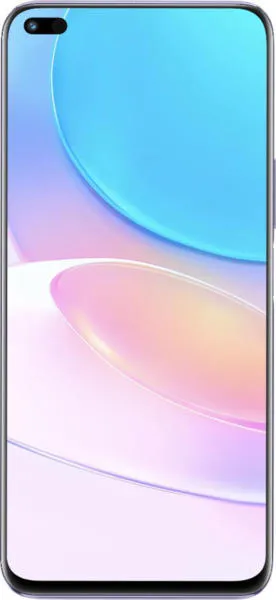
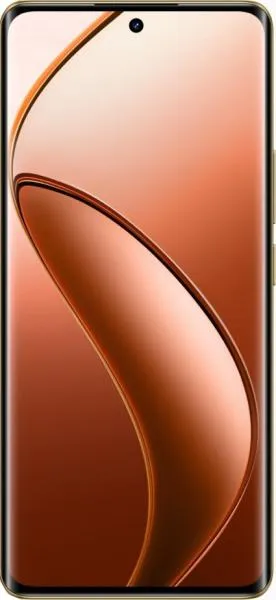
Honor 50 Lite vs. Realme 12 Pro+: A User-Centered Comparison
Let's embark on a journey beyond the spec sheet, exploring the Honor 50 Lite and Realme 12 Pro+ as complete user experiences. We'll delve into their design philosophies, uncover the stories behind their features, and discover how these choices impact your interaction with technology.
1. Design and Usability Assessment
| Feature | Honor 50 Lite | Realme 12 Pro+ | User Experience Impact |
|---|---|---|---|
| Display | 6.67" IPS LCD, 391 PPI | 6.7" AMOLED, 120Hz, 394 PPI | Realme offers a smoother, more vibrant, and responsive visual experience. |
| Interface Design | Magic UI 4.2 (Android 11) | Realme UI 4.0 (Android 14) | Realme benefits from a newer Android version and potentially more refined UI, leading to a more modern experience. |
| Interaction Flow | Standard Android navigation | Potentially customized navigation with Realme UI 4.0 | Customization options in Realme could enhance user workflow, depending on individual preferences. |
| Accessibility Features | Standard Android accessibility options | Likely expanded accessibility features with Android 14 | Realme potentially offers broader accessibility support, catering to a wider range of user needs. |
| Design Ergonomics | 192g, 8.5mm thick | 196g, 8.8mm thick | Negligible difference in weight and thickness; both should offer comfortable one-handed usage for most users. |
2. Narrative-Driven Feature Exploration
The Story of Refresh Rates: Imagine scrolling through your social media feed. On the Honor 50 Lite, the experience is functional. But on the Realme 12 Pro+ with its 120Hz refresh rate, the content flows like silk, each image and text appearing with a mesmerizing fluidity. This seemingly small difference transforms the mundane into something delightful. The Realme 12 Pro+'s higher refresh rate invites you to linger, explore, and engage.
Capturing Moments: Both phones promise stunning photography, but their stories differ. The Honor 50 Lite focuses on a versatile quad-camera system, providing options for various scenarios. The Realme 12 Pro+, however, boasts a powerful 200MP main sensor and advanced features like optical image stabilization, allowing you to capture breathtaking detail and steady videos, even in challenging conditions. It's the difference between taking a picture and preserving a memory. The Realme invites the user to explore their creativity through photography with more advanced features and capabilities.
3. Inclusive Technology Evaluation
Both phones cater to a broad audience, but the Realme 12 Pro+, with its newer OS and potentially more robust accessibility features, may offer a slightly more inclusive experience for users with diverse needs. The faster processor and higher refresh rate could also benefit users who rely on quick response times.
4. Design-Centric Decision Framework
Choosing between these phones hinges on your priorities. If a vibrant display and a smooth, modern user interface are paramount, the Realme 12 Pro+ emerges as the clear winner. If budget is a major constraint, the Honor 50 Lite provides a solid, dependable experience at a more accessible price point.
My Choice: Realme 12 Pro+
As a technology communications specialist focused on user experience, I would choose the Realme 12 Pro+. The superior AMOLED display with a 120Hz refresh rate promises a significantly more engaging and enjoyable visual experience. The newer Android version, coupled with the more powerful processor, suggests a more fluid and responsive user interface. While the Honor 50 Lite is a commendable device, the Realme 12 Pro+ offers a more compelling blend of performance, modern design, and potential for a richer, more personalized user experience. It aligns more closely with my philosophy of prioritizing design that delights and technology that empowers. Furthermore, the advanced camera features of the Realme 12 Pro+ cater to the creative storyteller in me, allowing for richer content creation.
