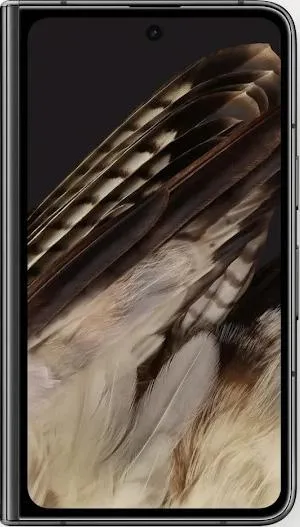
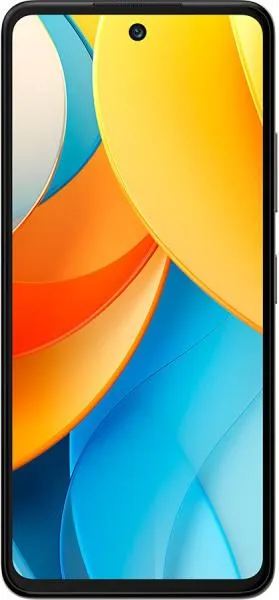
1. Specifications Comparison
| Feature | Google Pixel Fold | ZTE Blade V60 Design | Practical Impact |
|---|---|---|---|
| Design | |||
| Dimensions (mm) | 139.7 x 158.7 x 5.8 (folded) | 164.2 x 75.3 x 8.6 | Pixel Fold significantly smaller when folded, easier for pocket portability; Blade V60 Design thinner overall. |
| Weight (g) | 283 | 198 | Pixel Fold noticeably heavier, potentially tiring for extended use; Blade V60 Design more comfortable for one-handed use. |
| Foldable | Yes | No | Pixel Fold offers larger screen real estate in a pocketable size; Blade V60 Design traditional candybar form factor. |
| Display | |||
| Display Type | Foldable OLED, 120Hz | IPS LCD, 90Hz | Pixel Fold: Superior contrast, deeper blacks, smoother scrolling; Blade V60 Design: Less vibrant colors, potential for motion blur. |
| Display Size (inches) | 7.6 (unfolded), 5.8 (folded) | 6.6 | Pixel Fold offers a tablet-like experience when unfolded; Blade V60 Design larger than Pixel Fold's outer display. |
| Resolution (px) | 2208 x 1840 (unfolded), 1080 x 2092 (folded) | 720 x 1612 | Pixel Fold dramatically sharper, crisper text and images on both inner and outer displays; Blade V60 Design noticeably pixelated, especially for media consumption. |
| PPI | 378 (unfolded), 406 (folded) | 267 | Reinforces the sharpness difference; Pixel Fold significantly clearer and more detailed. |
| Performance | |||
| Chipset | Google Tensor G2 (5nm) | Unisoc T606 (12nm) | Pixel Fold significantly more powerful, enabling demanding tasks and gaming; Blade V60 Design suitable for basic tasks, may struggle with complex apps or multitasking. |
| CPU | Octa-core (2x2.85 GHz Cortex-X1 & 2x2.35 GHz Cortex-A78 & 4x1.80 GHz Cortex-A55) | Octa-core (2x1.6 GHz Cortex-A75 & 6x1.6 GHz Cortex-A55) | Pixel Fold's CPU offers superior performance in speed and efficiency. |
| GPU | Mali-G710 MP7 | Mali-G57 MP1 | Pixel Fold's GPU significantly more powerful for gaming and graphically intensive tasks. |
| RAM | 12GB | 4/6GB | Pixel Fold allows for seamless multitasking and app switching; Blade V60 Design may experience slowdowns with multiple apps open. |
| Camera | |||
| Main Camera (MP) | 48 | 50 | Pixel Fold leverages Google's computational photography for potentially superior image quality despite lower resolution; Blade V60 Design's actual image quality unknown without testing. |
| Video Recording | Up to 4K@60fps with HDR | Up to 1080p@30fps | Pixel Fold capable of significantly higher resolution and frame rate video recording with HDR; Blade V60 Design limited to basic 1080p. |
| Battery | |||
| Capacity (mAh) | 4821 | 5000 | Despite slightly smaller capacity, Pixel Fold's more efficient processor may result in comparable or better battery life; Real-world usage will vary. |
2. Key Differences Analysis
Pixel Fold Advantages:
- Significantly more powerful: Superior performance for demanding tasks, multitasking, and gaming.
- Higher quality display: Foldable OLED with higher resolution, refresh rate, and contrast for a premium visual experience.
- Superior camera capabilities: Google's computational photography and higher video recording capabilities.
- Form Factor: Foldable design offering versatility of a large screen in a compact device.
ZTE Blade V60 Design Advantages:
- Lower price: Significantly more affordable.
- Lighter weight: More comfortable for extended one-handed use.
- Larger Battery: Potentially longer battery life depending on usage patterns.
3. User Profiles & Recommendations
Pixel Fold: Users who value performance, a premium display, a versatile foldable design, and cutting-edge camera technology. Ideal for power users, content creators, and multitaskers. Price is a secondary concern.
ZTE Blade V60 Design: Budget-conscious users who prioritize affordability and basic functionality. Suitable for calling, texting, web browsing, and light media consumption. Performance and camera quality are less important.
4. Decision Framework
Key Questions:
- What is your budget? The Pixel Fold is significantly more expensive.
- What level of performance do you need? The Pixel Fold is far more powerful.
- How important is a foldable design? This is a key differentiator.
My Choice: Google Pixel Fold
While the ZTE Blade V60 Design offers excellent value for its price, the Google Pixel Fold's superior performance, stunning display, versatile form factor, and advanced camera capabilities make it the clear winner for me. I prioritize a smooth, powerful user experience and appreciate the flexibility of a foldable device. The higher price is justified by the significant jump in quality and functionality. While the weight might be a concern, the benefits outweigh this drawback for my personal use. I frequently multitask, consume media on the go, and value a high-quality camera. The Pixel Fold caters to these needs better than the Blade V60 Design.
