1. Specifications Comparison
| Feature | Google Pixel Fold | Xiaomi Redmi Note 13 Pro+ | Practical Impact |
|---|---|---|---|
| Design | |||
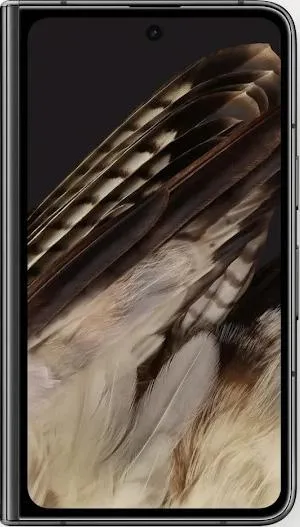
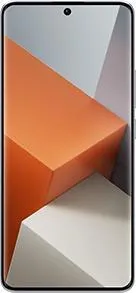
| Form Factor | Foldable | Standard | Pixel Fold offers greater versatility with its folding screen, enabling tablet-like functionality in a pocketable device. Redmi Note 13 Pro+ is a traditional slab phone. |
| Dimensions (mm) | 139.7 x 158.7 x 5.8 (folded) | 161.4 x 74.2 x 8.9 | Folded, the Pixel Fold is significantly wider but thinner than the Redmi Note 13 Pro+. Unfolded, it's much larger. The Redmi Note 13 Pro+ will be easier to handle one-handed in its standard form. |
| Weight (g) | 283 | 199 | Pixel Fold is noticeably heavier, impacting one-handed use and pocket comfort. |
| Display | |||
| Type | Foldable OLED | AMOLED | Pixel Fold's folding OLED introduces a crease but offers a larger screen real estate when unfolded. Redmi's AMOLED provides a seamless, traditional experience. |
| Size (inches) | 7.6 (unfolded), 5.8 (cover) | 6.67 | Pixel Fold's unfolded screen allows for better multitasking and media consumption. The Redmi Note 13 Pro+'s screen is larger than the Pixel Fold's cover screen. |
| Resolution (px) | 2208 x 1840 (unfolded), 2092 x 1080 (cover) | 2712 x 1220 | Both offer high resolutions for sharp visuals. Pixel Fold's higher inner resolution provides a denser display when unfolded. |
| Refresh Rate (Hz) | 120 | 120 | Both offer smooth scrolling and animations thanks to their 120Hz refresh rates. |
| Peak Brightness (nits) | 1450 | 1800 | Redmi Note 13 Pro+ boasts higher peak brightness, improving outdoor visibility. |
| Performance | |||
| Chipset | Google Tensor G2 (5 nm) | Mediatek Dimensity 7200 Ultra (4 nm) | Tensor G2 excels in AI tasks and image processing. Dimensity 7200 Ultra focuses on power efficiency and gaming performance. Real-world performance differences might be subtle for average users but noticeable for power users. |
| CPU | Octa-core (2x2.85 GHz Cortex-X1 & ...) | Octa-core (2x2.8 GHz Cortex-A715 & ...) | Benchmarking scores would be needed to definitively compare CPU performance. Both are powerful enough for demanding tasks. |
| GPU | Mali-G710 MP7 | Mali-G610 MC4 | Mali-G710 MP7 is generally considered more powerful, potentially offering better gaming performance. |
| RAM (GB) | 12 | 8/12 | 12GB RAM on the Pixel Fold provides smoother multitasking and better handling of demanding applications compared to the 8GB variant of the Redmi. |
| Camera | |||
| Main Camera (MP) | 48 | 200 | Redmi Note 13 Pro+ boasts a much higher megapixel count, potentially capturing more detail. However, image quality depends on various factors beyond megapixels, including sensor size and processing. |
| DxOMark Score | 133 | 121 | Pixel Fold scores higher overall on DxOMark, suggesting superior image and video quality. However, DxOMark scores should be taken as one factor among many. |
| Battery | |||
| Capacity (mAh) | 4821 | 5000 | Redmi Note 13 Pro+ has a slightly larger battery capacity, potentially offering longer battery life. Real-world battery life depends heavily on usage patterns. |
2. Key Differences Analysis
Google Pixel Fold Advantages:
- Foldable Form Factor: Unique versatility transforming between phone and tablet modes.
- Superior Camera System (based on DxOMark): Likely to produce better overall image and video quality.
- Tensor G2's AI Capabilities: Enhanced features for photography, voice assistance, and other AI-driven tasks.
- Clean Android Experience with guaranteed updates: Timely software updates and a bloatware-free experience.
Xiaomi Redmi Note 13 Pro+ Advantages:
- Larger Battery Capacity: Potentially longer battery life.
- Higher Resolution Main Camera: Potentially capturing more detail in photos.
- Brighter Display: Better visibility in direct sunlight.
- Lower Price: Significantly more affordable than the Pixel Fold.
3. User Profiles & Recommendations
Google Pixel Fold: Ideal for users who value innovation, multitasking, a premium camera, and a clean Android experience. Best for users who prioritize portability and having a larger screen available on demand, and are willing to pay a premium.
Xiaomi Redmi Note 13 Pro+: Suitable for budget-conscious users seeking a powerful device with a large, bright display and long battery life. Best for users who prioritize value, media consumption, and gaming on a traditional smartphone form factor.
4. Decision Framework
Key Questions for Buyers:
- Form Factor Preference: Do you prioritize the versatility of a foldable phone or the familiarity of a traditional smartphone?
- Budget: Are you willing to pay a premium for the Pixel Fold's innovative features and camera system?
- Usage Priorities: Do you prioritize multitasking, media consumption, photography, or gaming?
My Choice:
I would choose the Google Pixel Fold. While significantly more expensive, the foldable form factor is a game-changer for my workflow. Being able to switch between a phone and a mini-tablet for productivity and media consumption is incredibly appealing. The superior camera system (as suggested by DxOMark) and the clean Android experience with faster updates are also significant factors in my decision. While the Redmi Note 13 Pro+ offers excellent value, the Pixel Fold's unique functionality and premium features better suit my needs and preferences. I am willing to compromise on battery life and potentially slightly lower gaming performance for the transformative experience offered by the foldable design.
