1. Specifications Comparison
| Feature | Google Pixel Fold | Xiaomi Redmi Note 13 Pro 4G | Practical Impact |
|---|---|---|---|
| Design | |||
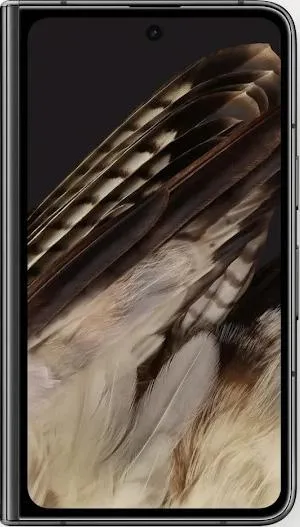
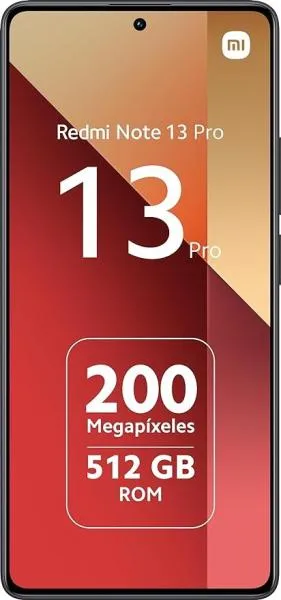
| Form Factor | Foldable | Standard | Pixel Fold offers greater portability when folded and a larger screen when unfolded. Redmi Note 13 Pro is a traditional slab phone. |
| Dimensions (mm) | 139.7 x 158.7 x 5.8 (folded) | 161.1 x 75 x 8 | Pixel Fold is significantly wider unfolded but thinner when folded. Redmi Note 13 Pro is thinner overall when unfolded. |
| Weight (g) | 283 | 188 | Pixel Fold is noticeably heavier due to the folding mechanism and larger battery. |
| Display | |||
| Display Type | Foldable OLED | AMOLED | Pixel Fold's folding OLED allows for a larger inner display for tablet-like functionality. |
| Display Size (inches) | 7.6 (unfolded), 5.8 (cover) | 6.67 | Pixel Fold offers a significantly larger main display and a usable cover display. |
| Resolution (px) | 2208 x 1840 (unfolded), 1080 x 2092 (cover) | 1080 x 2400 | Pixel Fold has a higher resolution inner display for sharper visuals. Cover display resolutions are comparable. |
| Refresh Rate (Hz) | 120 | 120 | Both phones offer smooth scrolling and animations thanks to the 120Hz refresh rate. |
| Peak Brightness (nits) | 1450 | 1300 | Pixel Fold offers slightly higher peak brightness for better outdoor visibility. |
| Performance | |||
| Chipset | Google Tensor G2 (5 nm) | Mediatek Helio G99 Ultra | Tensor G2 is generally considered a more powerful chip, offering better performance in demanding tasks and AI processing. |
| CPU | Octa-core (2x2.85 GHz Cortex-X1 & 2x2.35 GHz Cortex-A78 & 4x1.80 GHz Cortex-A55) | Octa-core (2x2.2 GHz Cortex-A76 & 6x2.0 GHz Cortex-A55) | Pixel Fold's CPU has a higher clock speed and more powerful cores, resulting in faster processing. |
| GPU | Mali-G710 MP7 | Mali-G57 MC2 | Pixel Fold's GPU is significantly more powerful, enabling smoother gaming and graphics-intensive tasks. |
| RAM (GB) | 12 | 8/12 | Pixel Fold offers 12GB RAM in the analyzed configuration, providing better multitasking capabilities than the Redmi Note 13 Pro's 8GB variant, though a 12GB variant exists. |
| Camera | |||
| Main Camera (MP) | 48 | 200 | Redmi Note 13 Pro boasts a higher megapixel count, but image quality is determined by more than just megapixels (sensor size, processing). Pixel's computational photography prowess is renowned. |
| Video Recording | Up to 4K@60fps with HDR | Up to 1080p@60fps | Pixel Fold offers superior video recording capabilities with higher resolution and HDR. |
| Battery | |||
| Capacity (mAh) | 4821 | 5000 | Redmi Note 13 Pro has a slightly larger battery capacity, but real-world battery life depends on various factors like software optimization and display usage. |
2. Key Differences Analysis
Google Pixel Fold Advantages:
- Foldable Form Factor: Offers versatility of a tablet and phone in one device.
- More Powerful Performance: Tensor G2 chip provides a significant advantage in speed and AI capabilities.
- Superior Video Recording: 4K@60fps with HDR offers higher quality video capture.
- Refined Software Experience: Pixel phones are known for their clean Android experience and timely updates.
Xiaomi Redmi Note 13 Pro 4G Advantages:
- Lower Price: Significantly more affordable.
- Slightly Larger Battery: Potentially longer battery life, but real-world usage will vary.
- Higher Resolution Main Camera (Megapixel Count): May offer more detail in certain situations, but overall image quality depends on other factors.
- Lighter Weight: More comfortable for extended one-handed use.
3. User Profiles & Recommendations
Google Pixel Fold: Ideal for users who value a large screen for productivity and media consumption, prioritize performance and software experience, and are willing to pay a premium for the foldable form factor. Use Cases: Multitasking, media consumption, content creation, gaming.
Xiaomi Redmi Note 13 Pro 4G: Suitable for budget-conscious users who prioritize battery life and a large display in a traditional form factor. Use Cases: Everyday tasks, social media, web browsing, casual gaming.
4. Decision Framework
Key Questions for Buyers:
- Is a foldable form factor essential? Are you willing to pay a premium for the versatility and larger screen it offers?
- What is your budget? The Pixel Fold is significantly more expensive.
- What are your performance needs? The Pixel Fold offers significantly better performance for demanding tasks and gaming.
Scenario-Based Recommendations:
- Limited Budget: Redmi Note 13 Pro 4G
- Prioritize Productivity and Large Screen: Pixel Fold
- Enthusiast Gamer: Pixel Fold
- Value Long-Term Software Support: Pixel Fold
My Choice: Google Pixel Fold
While the Xiaomi Redmi Note 13 Pro 4G offers excellent value for its price, I would choose the Google Pixel Fold. The foldable form factor is a game-changer for productivity and media consumption. The superior performance of the Tensor G2 chip, coupled with the excellent software experience and camera capabilities, outweigh the higher price and heavier weight for my personal needs. I value the ability to have a tablet-like experience on demand and am willing to invest in the cutting-edge technology. The longer software support and faster updates offered by Google are also significant factors in my decision. The Redmi Note 13 Pro is a solid device, but the Pixel Fold's unique features and premium experience make it the more compelling choice for me.
