1. Specifications Comparison
| Feature | Google Pixel Fold | Xiaomi Redmi Note 13 Pro | Practical Impact |
|---|---|---|---|
| Design | |||
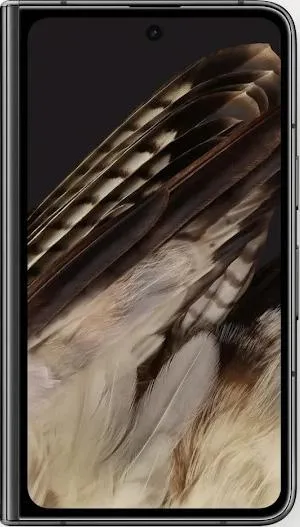
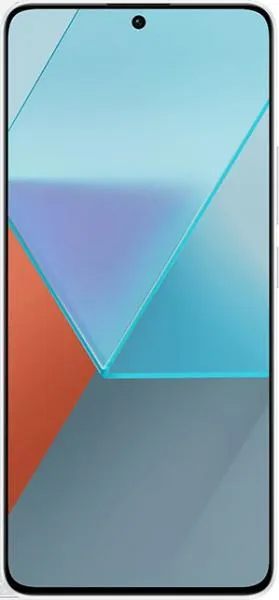
| Form Factor | Foldable | Standard Slab | Pixel Fold offers greater portability when folded and a larger screen when unfolded for multitasking and media consumption. Redmi Note 13 Pro is more pocketable in its standard form. |
| Dimensions (mm) | 139.7 x 158.7 x 5.8 (unfolded) | 161.2 x 74.2 x 8 | Pixel Fold is wider and shorter when unfolded but significantly thicker when folded. Redmi Note 13 Pro is thinner overall. |
| Weight (g) | 283 | 187 | Pixel Fold is significantly heavier, impacting one-handed usability, especially when unfolded. Redmi Note 13 Pro offers a more comfortable experience for extended use. |
| Display | |||
| Type | Foldable OLED | AMOLED | Both offer vibrant colors and deep blacks. Pixel Fold's folding capability is the key differentiator. |
| Size (inches) | 7.6 (inner), 5.8 (outer) | 6.67 | Pixel Fold provides a tablet-like experience when unfolded. Redmi Note 13 Pro has a large display for a standard phone but lacks the expansive canvas of the Pixel Fold. |
| Resolution (px) | 2208 x 1840 (inner), 2092 x 1080 (outer) | 2712 x 1220 | Pixel Fold boasts higher resolution on its inner display, resulting in sharper text and images. Redmi Note 13 Pro's resolution is lower but still adequate for its size. |
| Refresh Rate (Hz) | 120 | 120 | Both offer smooth scrolling and animations. |
| Peak Brightness | 1450 nits | 1800 nits | Redmi Note 13 Pro offers higher peak brightness, improving outdoor visibility. |
| Performance | |||
| Chipset | Google Tensor G2 (5 nm) | Snapdragon 7s Gen 2 (4 nm) | Tensor G2 focuses on AI and machine learning capabilities, impacting features like voice assistance and photography. Snapdragon 7s Gen 2 is a more balanced chip, focusing on overall performance and efficiency |
| CPU | Octa-core (2x2.85 GHz Cortex-X1 & ...) | Octa-core (4x2.40 GHz Cortex-A78 & ...) | We can expect the Tensor G2 to provide better peak performance, while the Snapdragon 7s Gen 2 could offer better sustained performance and efficiency. Detailed benchmarks are needed for definitive conclusions. |
| GPU | Mali-G710 MP7 | Adreno 710 | Mali-G710 MP7 generally provides better gaming performance. Again, benchmarks are needed. |
| RAM | 12GB | 8/12GB | 12GB RAM on the Pixel Fold ensures smoother multitasking. Redmi Note 13 Pro offers configurations with 8GB or 12GB, providing flexibility based on user needs and budget. |
| Camera | |||
| Main Camera (MP) | 48 | 200 | Redmi Note 13 Pro boasts significantly higher megapixel count on its main sensor, potentially capturing more detail. However, image quality is influenced by factors beyond resolution, such as sensor size and processing. Pixel relies heavily on software processing. |
| Battery | |||
| Capacity (mAh) | 4821 | 5100 | Redmi Note 13 Pro has a slightly larger battery capacity, potentially leading to longer battery life. However, real-world usage will depend on factors like screen size, refresh rate, and processor efficiency. |
2. Key Differences Analysis
Google Pixel Fold Advantages:
- Foldable Form Factor: The unique selling point, offering versatility in usage scenarios.
- Superior Software Experience: Clean Android with timely updates and AI-powered features.
- More Powerful GPU: Potentially better for demanding tasks like gaming.
Xiaomi Redmi Note 13 Pro Advantages:
- Lighter and Thinner: More comfortable for everyday use and portability.
- Higher Resolution Main Camera: Potentially captures more detailed images. (Pixel relies heavily on processing)
- Larger Battery Capacity: Potentially longer battery life.
- Lower Price: Offers excellent value for its specifications.
3. User Profiles & Recommendations
Google Pixel Fold: Ideal for users who value innovation, multitasking, and a premium software experience. Excellent for productivity on the go and immersive media consumption.
Xiaomi Redmi Note 13 Pro: Suitable for users seeking a well-rounded phone with a great camera, long battery life, and an attractive price point. Best for users prioritizing value and everyday performance.
4. Decision Framework
Key Questions:
- Is a foldable form factor a priority? If yes, the Pixel Fold is the only option.
- What is your budget? The Pixel Fold is significantly more expensive.
- What are your primary use cases? (e.g., productivity, gaming, photography, social media)
My Choice: Xiaomi Redmi Note 13 Pro
While the Pixel Fold is innovative, the Redmi Note 13 Pro offers a better balance of features and value for my needs. I prioritize a comfortable phone for everyday use, excellent battery life, and a capable camera. The Redmi Note 13 Pro delivers in these areas at a significantly lower price point. The foldable form factor of the Pixel Fold, while intriguing, doesn't outweigh the practical benefits and cost-effectiveness of the Redmi Note 13 Pro for my personal usage. I am also not overly concerned with bleeding-edge performance as I'm not a heavy gamer. A solid, reliable performer with a great battery and camera is more important to me.
