1. Specifications Comparison
| Feature | Google Pixel Fold | Xiaomi Redmi 14C | Practical Impact |
|---|---|---|---|
| Design | |||
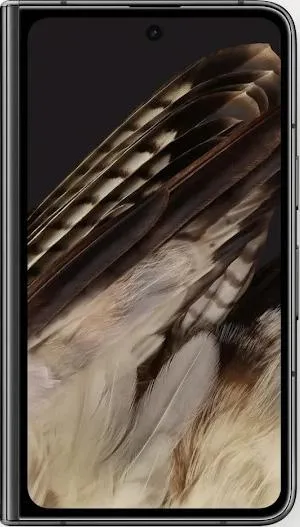
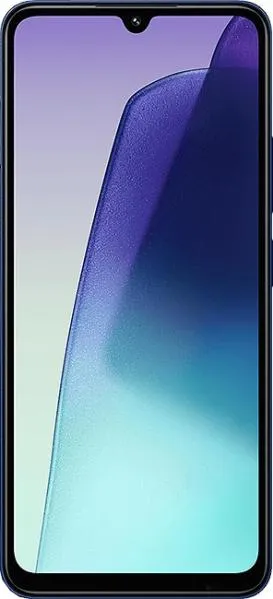
| Dimensions | 139.7 x 158.7 x 5.8 mm (folded) | 171.9 x 77.8 x 8.2 mm | Pixel Fold significantly smaller when folded, pocketable; Redmi 14C larger, traditional candybar design. |
| Weight | 283g | 211g | Pixel Fold heavier due to folding mechanism and larger battery; Redmi 14C lighter, more comfortable for extended use. |
| Foldable | Yes | No | Pixel Fold offers larger screen real estate in a compact size; Redmi 14C offers a standard single-screen experience. |
| Display | |||
| Display Type | Foldable OLED, 120Hz | IPS LCD, 120Hz | Pixel Fold: Superior contrast, deeper blacks, vibrant colors, smoother scrolling; Redmi 14C: Less vibrant, potential for washed-out colors in sunlight. |
| Display Size | 7.6" (unfolded), 5.8" (cover) | 6.88" | Pixel Fold offers tablet-like experience when unfolded; Redmi 14C large single screen, but less usable area than unfolded Pixel. |
| Resolution | 1840 x 2208 (unfolded), 1080 x 2092 (cover) | 720 x 1640 | Pixel Fold significantly sharper, crisper text and images; Redmi 14C lower resolution, noticeable pixelation possible. |
| PPI | 378 (unfolded), 406 (cover) | 260 | Reinforces sharpness difference; Pixel Fold much sharper. |
| Peak Brightness | 1450 nits (peak) | 600 nits (HBM) | Pixel Fold dramatically brighter, better outdoor visibility; Redmi 14C may struggle in direct sunlight. |
| Performance | |||
| Chipset | Google Tensor G2 (5nm) | Mediatek Helio G81 Ultra | Pixel Fold: More powerful, better for demanding tasks and gaming; Redmi 14C: Entry-level performance, suitable for basic tasks. |
| CPU | Octa-core (2x2.85 GHz Cortex-X1 & 2x2.35 GHz Cortex-A78 & 4x1.80 GHz Cortex-A55) | Octa-core (2x2.0 GHz Cortex-A75 & 6x1.8 GHz Cortex-A55) | Pixel Fold: Significantly faster CPU, smoother multitasking and app loading. Redmi 14C: Slower, potential lag with demanding apps. |
| GPU | Mali-G710 MP7 | Mali-G52 MC2 | Pixel Fold: Much more powerful GPU, better gaming and graphics performance. Redmi 14C: Basic graphics, limited gaming capability. |
| RAM | 12GB | 4GB/6GB/8GB | Pixel Fold: More RAM enables smoother multitasking, less app reloading. Redmi 14C: Less RAM may lead to performance bottlenecks. |
| Camera | |||
| Rear Camera | 48MP Main, 10.8MP Ultrawide, 10.8MP Telephoto | 50MP Main, 0.8MP (unknown), 13MP Front | Pixel Fold: Versatile camera system with telephoto lens; superior image processing expected due to Tensor G2. Redmi 14C: Basic dual camera, secondary sensor's purpose unclear, image quality likely lower. |
| Video Recording | Up to 4K@60fps with HDR | 1080p@30fps | Pixel Fold: Higher resolution and frame rate video recording with HDR; Redmi 14C: Basic video recording capabilities. |
| Battery | |||
| Capacity | 4821 mAh | 5160 mAh | Redmi 14C has a larger battery capacity; however, real-world battery life depends on optimization and usage. Pixel Fold's larger, higher resolution display may consume more power. |
2. Key Differences Analysis
Pixel Fold Advantages:
- Foldable Form Factor: Offers both a pocketable phone and a small tablet experience.
- Superior Display: Brighter, sharper, more vibrant OLED with higher refresh rate.
- Flagship Performance: Powerful Tensor G2 chip ensures smooth performance for demanding tasks and gaming.
- Versatile Camera System: High-resolution sensors and telephoto lens provide greater flexibility.
Redmi 14C Advantages:
- Lower Price: Significantly more affordable.
- Larger Battery Capacity: Potentially longer battery life, though real-world usage will vary.
- Lighter Weight: More comfortable for one-handed use.
3. User Profiles & Recommendations
Pixel Fold: Ideal for users who value portability and a large screen for productivity, media consumption, and gaming. Suitable for power users, multitaskers, content creators, and those who want the latest technology.
Redmi 14C: Best suited for budget-conscious users who prioritize basic communication, social media, and light web browsing. Good for users who want a large screen without the premium price or complex features.
4. Decision Framework
Key Questions:
- Budget: How much are you willing to spend?
- Screen Size and Portability: Do you prioritize a large screen or a compact device?
- Performance Needs: Do you require high performance for demanding tasks or gaming?
Scenario-Based Recommendations:
- Limited Budget, Basic Needs: Redmi 14C
- Power User, Large Screen, Portability: Pixel Fold
- Balance of Price and Performance, Large Screen: Consider other options in the mid-range market with larger displays.
My Choice: Google Pixel Fold
While significantly more expensive, the Pixel Fold offers a compelling combination of innovation, portability, and performance. The foldable form factor provides a unique user experience, allowing for both a pocketable phone and a tablet-like device. The superior display, powerful processor, and versatile camera system make it a true flagship device. While the Redmi 14C offers a large screen at a budget-friendly price, the compromises in display quality, performance, and camera capabilities are significant. For my needs, the flexibility and premium experience of the Pixel Fold outweigh the higher cost. The Redmi 14C feels like a device designed for a very specific user with limited needs and budget constraints, whereas the Pixel Fold caters to a wider range of users seeking a more powerful and versatile device.
