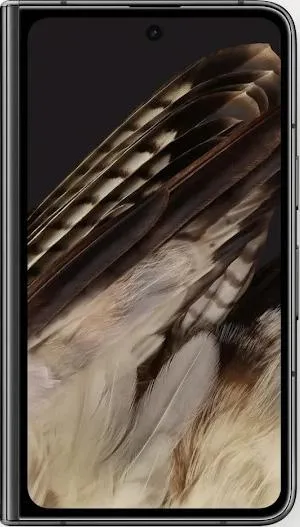
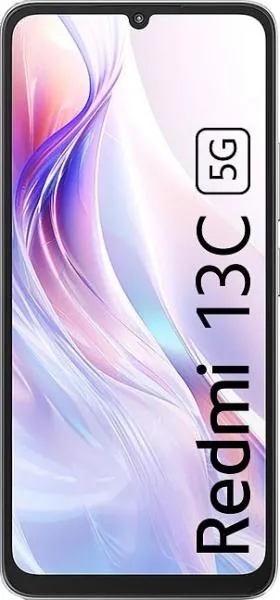
1. Specifications Comparison
| Feature | Google Pixel Fold | Xiaomi Redmi 13C 5G | Practical Impact |
|---|---|---|---|
| Design | |||
| Dimensions (mm) | 139.7 x 158.7 x 5.8 (folded) | 168 x 78 x 8.1 | Pixel Fold is significantly more compact when folded, pocketable; Redmi 13C is a traditional larger phone. |
| Weight (g) | 283 | 192 | Pixel Fold is heavier due to folding mechanism; Redmi 13C is lighter for one-handed use. |
| Foldable | Yes | No | Pixel Fold offers tablet-like experience and versatility; Redmi 13C provides a standard smartphone experience. |
| Display | |||
| Display Type | Foldable OLED, 120Hz | IPS LCD, 90Hz | Pixel Fold: superior color accuracy, deeper blacks, smoother animations; Redmi 13C: adequate for everyday use, less vibrant. |
| Display Size (inches) | 7.6 (unfolded), 5.8 (cover) | 6.74 | Pixel Fold: larger screen for multitasking and media consumption when unfolded; Redmi 13C: large screen for single-window tasks. |
| Resolution (px) | 2208 x 1840 (unfolded), 1080 x 2092 (cover) | 720 x 1600 | Pixel Fold: significantly sharper, more detailed visuals; Redmi 13C: noticeable pixelation, less detail. |
| Refresh Rate (Hz) | 120 | 90 | Pixel Fold: smoother scrolling and animations; Redmi 13C: smooth but not as fluid as Pixel Fold. |
| Performance | |||
| Chipset | Google Tensor G2 (5nm) | Mediatek Dimensity 6100+ (6nm) | Pixel Fold: more powerful, better AI processing, smoother performance; Redmi 13C: decent performance for daily tasks, may struggle with demanding apps/games. |
| CPU | Octa-core (2x2.85 GHz Cortex-X1 & 2x2.35 GHz Cortex-A78 & 4x1.80 GHz Cortex-A55) | Octa-core (2x2.2 GHz Cortex-A76 & 6x2.0 GHz Cortex-A55) | Pixel Fold: faster, more efficient CPU; Redmi 13C: capable CPU, but less powerful. |
| RAM (GB) | 12 | 4/6/8 (depending on version) | Pixel Fold: superior multitasking, smoother performance with demanding apps; Redmi 13C: RAM limitations may hinder multitasking. |
| Camera | |||
| Rear Cameras | 48MP Main, 10.8MP Wide, 10.8MP Telephoto | 50MP Main, 0.8MP (likely depth sensor) | Pixel Fold: Versatile camera system with telephoto capabilities and Google's advanced image processing; Redmi 13C: basic camera setup for casual photography. |
| DxOMark Score | 133 | 63 | Pixel Fold: Significantly better image quality, detail, dynamic range; Redmi 13C: acceptable image quality for social media. |
| Battery | |||
| Capacity (mAh) | 4821 | 5000 | Redmi 13C has slightly larger battery capacity; real-world battery life depends on usage and software optimization, harder to compare directly. |
2. Key Differences Analysis
Google Pixel Fold Advantages:
- Foldable Form Factor: Unique versatility, transforming from phone to tablet.
- Superior Display: Higher resolution, refresh rate, and OLED technology for a premium visual experience.
- Flagship Performance: Powerful Tensor G2 chip, ample RAM for smooth multitasking and demanding tasks.
- Advanced Camera System: High-quality images and videos, versatile lens options.
Xiaomi Redmi 13C 5G Advantages:
- Lower Price: Significantly more affordable.
- Lighter Weight: Easier for one-handed use.
- Larger Battery Capacity: Potentially longer battery life, though real-world usage will vary.
3. User Profiles & Recommendations
Google Pixel Fold: Ideal for power users, content creators, and those who value a premium, versatile device. Best for multitasking, media consumption, and mobile photography/videography.
Xiaomi Redmi 13C 5G: Suitable for budget-conscious users who prioritize affordability and basic smartphone functionality. Best for everyday communication, social media browsing, and light tasks.
4. Decision Framework
Key Questions for Buyers:
- Budget: Is a premium price for foldable technology and flagship features justifiable?
- Usage: Do you need a device for demanding tasks and media consumption, or primarily for basic communication?
- Form Factor: Is a foldable phone appealing, or do you prefer a traditional smartphone design?
Scenario-Based Recommendations:
- Limited Budget: Redmi 13C 5G
- Prioritize Performance and Camera: Pixel Fold
- Desire a Foldable Device: Pixel Fold
- Value Simplicity and Affordability: Redmi 13C 5G
My Choice: Google Pixel Fold
While the Redmi 13C 5G offers excellent value for its price, the Pixel Fold's innovative foldable design, superior display, powerful performance, and advanced camera system make it the clear winner for me. I prioritize a premium user experience, multitasking capabilities, and high-quality media consumption, all of which the Pixel Fold delivers. The higher price is justified by the significant jump in features and overall quality. The ability to have a tablet-like experience in a pocketable device is highly appealing.
