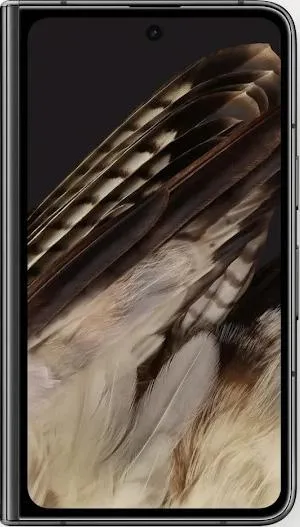
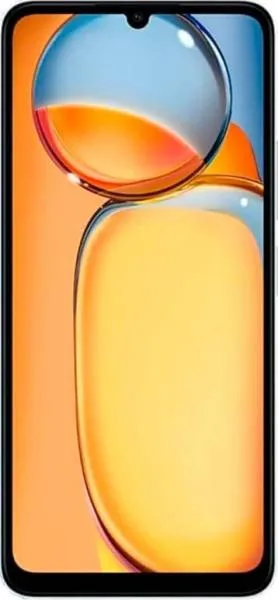
1. Specifications Comparison
| Feature | Google Pixel Fold | Xiaomi Redmi 13C | Practical Impact |
|---|---|---|---|
| Design | |||
| Dimensions (mm) | 139.7 x 158.7 x 5.8 (folded) | 168 x 78 x 8.1 | Pixel Fold significantly more compact when folded, but wider unfolded. Redmi 13C is a traditional slab phone. Fold's thinness is impressive, but its width unfolded might be cumbersome for one-handed use. |
| Weight (g) | 283 | 192 | Pixel Fold noticeably heavier, impacting pocket comfort. |
| Build Material | Missing | Missing | Cannot compare build quality and durability. |
| Foldable | Yes | No | Pixel Fold offers flexibility of a large screen in a pocketable device. Redmi 13C is a standard smartphone. |
| Display | |||
| Display Type | Foldable OLED | IPS LCD | Pixel Fold's OLED provides superior contrast, deeper blacks, and potentially better power efficiency. |
| Display Size (inches) | 7.6 (unfolded), 5.8 (cover) | 6.74 | Pixel Fold offers a significantly larger main display for multitasking and media consumption. The cover screen provides functionality when folded. |
| Resolution (px) | 2208 x 1840 (unfolded), 2092 x 1080 (cover) | 1600 x 720 | Pixel Fold boasts much sharper displays, resulting in clearer text and images. Redmi 13C's resolution is low for its size. |
| Refresh Rate (Hz) | 120 | 90 | Pixel Fold will offer smoother animations and scrolling. While 90Hz is good, 120Hz is noticeably better for fast-paced content. |
| Peak Brightness (nits) | 1450 (peak) | 600 (HBM) | Pixel Fold should be significantly more visible in direct sunlight. |
| Performance | |||
| Chipset | Google Tensor G2 (5nm) | Mediatek Helio G85 (12nm) | Tensor G2 is a significantly more powerful and efficient chip, leading to better performance and battery life in the Pixel Fold. |
| CPU | Octa-core (2x2.85 GHz Cortex-X1 & 2x2.35 GHz Cortex-A78 & 4x1.80 GHz Cortex-A55) | Octa-core (2x2.0 GHz Cortex-A75 & 6x1.8 GHz Cortex-A55) | Pixel Fold will have superior CPU performance for demanding tasks and multitasking. |
| GPU | Mali-G710 MP7 | Mali-G52 MC2 | Pixel Fold's GPU is considerably more powerful, enabling smoother gaming and faster graphics rendering. |
| RAM (GB) | 12 | 4/6/8 | Pixel Fold's 12GB RAM enables seamless multitasking and app switching. Redmi 13C's RAM options are more limited, potentially leading to performance slowdowns with heavy usage. |
| Camera | |||
| Rear Camera (MP) | 48MP Main, 10.8MP Wide, 10.8MP Telephoto | 50MP Main, 2MP Macro, 0.8MP unspecified | Pixel Fold likely has better overall image quality due to superior processing. Redmi 13C's high megapixel count doesn't guarantee quality. The unspecified 0.8MP camera is likely of minimal use. |
| Video Recording | Up to 4K@60fps with HDR | 1080p@30fps | Pixel Fold offers significantly higher resolution and frame rate video recording capabilities. |
| Battery | |||
| Capacity (mAh) | 4821 | 5000 | While Redmi 13C has a slightly larger battery, the Pixel Fold's more efficient processor could result in comparable or even better battery life. |
2. Key Differences Analysis
Pixel Fold Advantages:
- Superior Performance: Significantly faster processor, GPU, and more RAM for a smoother and more responsive experience.
- High-Quality Display: Foldable OLED with higher resolution, refresh rate, and peak brightness for a visually stunning experience.
- Premium Features: Foldable design, high-end cameras, and more advanced software features.
Redmi 13C Advantages:
- Lower Price: Significantly more affordable.
- Larger Battery Capacity: Potentially longer battery life, but dependent on usage patterns.
- Simpler Functionality: A traditional smartphone experience without the complexity of a foldable device.
Trade-offs:
- Pixel Fold: Higher price, heavier weight, potentially less durable due to the foldable design.
- Redmi 13C: Lower performance, less impressive display, basic camera system.
3. User Profiles & Recommendations
Pixel Fold: Ideal for users who value cutting-edge technology, multitasking capabilities, a large and beautiful display, and are willing to pay a premium. Use cases include productivity on the go, immersive media consumption, and showcasing innovative technology.
Redmi 13C: Suitable for budget-conscious users who prioritize basic smartphone functionality, such as calling, texting, web browsing, and social media. Ideal for users who want a large screen without demanding high performance.
4. Decision Framework
Key Questions:
- What is your budget? The Pixel Fold is significantly more expensive.
- What are your performance needs? The Pixel Fold offers a vastly superior performance experience.
- Do you value the foldable form factor? This is a key differentiator impacting usability and portability.
Scenario-Based Recommendations:
- Limited Budget, Basic Needs: Redmi 13C
- Power User, Multitasker: Pixel Fold
- Enthusiast Seeking Innovation: Pixel Fold
- Large Screen for Media Consumption on a Budget: Redmi 13C
My Choice: Google Pixel Fold
While the Redmi 13C offers great value for its price, the Pixel Fold is the clear winner for me. The superior performance, stunning display, and innovative foldable design are compelling. I prioritize a smooth and responsive user experience, high-quality visuals, and the flexibility of a large screen when needed. The higher price is justified by the significant leap in technology and user experience. While I acknowledge the weight and potential durability concerns, the benefits outweigh the drawbacks for my usage pattern. I frequently multitask, consume media on the go, and appreciate having a pocketable device with a large screen available when needed.
